
Digital Skills for the Future_ Thriving in the Age of AI & Automation
Introduction – The Age of AI We are standing at the edge of one of the greatest transformations in human history. The rise of Artificial Intelligence (AI) and automation is reshaping how we live, learn, and work. From self- driving cars to smart assistants, from predictive healthcare to personalized learning, AI is no longer science fiction—it is reality.

Table of Contents
Introduction – The Age of AI
Why Digital Skills Matter Now More Than Ever
Core Skill 1: Digital Literacy
Core Skill 2: Data & Analytical Thinking
Core Skill 3: Creativity & Innovation
Core Skill 4: Emotional Intelligence in a Digital World
Core Skill 5: Adaptability & Continuous Learning
Practical Tools & Resources to Get Started
Future Career Paths Shaped by AI
Conclusion – Building Your Future Today
Page 1: Introduction – The Age of AI
We are living in a time where technology is no longer just a tool; it is a partner in how we live, learn, and work. Artificial Intelligence (AI) and automation are transforming industries, reshaping jobs, and creating new opportunities. To thrive in this digital age, the right set of skills is no longer optional—it’s essential.
Page 2: Why Digital Skills Matter Now More Than Ever
In the past, literacy meant reading and writing. Today, literacy also means being able to navigate the digital world confidently. Employers, businesses, and even individuals demand skills that blend technology with human creativity. Those who master digital skills won’t just survive—they’ll lead.
Page 3: Core Skill 1 – Digital Literacy
Digital literacy means understanding how technology works, from using productivity tools to staying safe online. It’s about knowing how to evaluate online information, adapt to new platforms quickly, and remain confident in a constantly changing digital environment.
Page 4: Core Skill 2 – Data & Analytical Thinking
Data is the new gold. Those who can analyze information, spot trends, and make data-driven decisions will always have an advantage. Whether you’re in marketing, healthcare, or entrepreneurship, data literacy is a foundation for growth.
Page 5: Core Skill 3 – Creativity & Innovation
Ironically, in an age of machines, creativity is more valuable than ever. AI can process data, but it cannot dream. The ability to generate new ideas, think outside the box, and innovate in your field is a skill that keeps you future-proof.
Page 6: Core Skill 4 – Emotional Intelligence in a Digital World
Soft skills like empathy, communication, and emotional intelligence are irreplaceable. While machines may perform tasks, only humans can connect deeply. Building emotional intelligence
will allow you to collaborate effectively, lead teams, and stand out in human-centered roles.
Page 7: Core Skill 5 – Adaptability & Continuous Learning
The only constant in the digital age is change. Skills that are in demand today may become obsolete tomorrow. A mindset of continuous learning, flexibility, and adaptability is your ticket to thriving in uncertain times.
Page 8: Practical Tools & Resources to Get Started
Online Learning Platforms: Coursera, Udemy, edX
AI Tools: ChatGPT, MidJourney, Jasper
Productivity Tools: Notion, Trello, Slack
Coding Skills: Python, SQL, JavaScript basics
Start with one new skill and build steadily.
Page 9: Future Career Paths Shaped by AI
Some careers will evolve, others will disappear, and new ones will emerge. Key future-proof fields include:
AI & Machine Learning
Data Science
Cybersecurity
Digital Marketing
UX/UI Design
Remote Collaboration & Management
Page 10: Conclusion – Building Your Future Today
The future belongs to those who prepare for it today. By developing digital skills, you’re not just keeping up—you’re positioning yourself to lead. Remember: technology will keep evolving, but your ability to adapt, learn, and innovate will always be your greatest advantage.
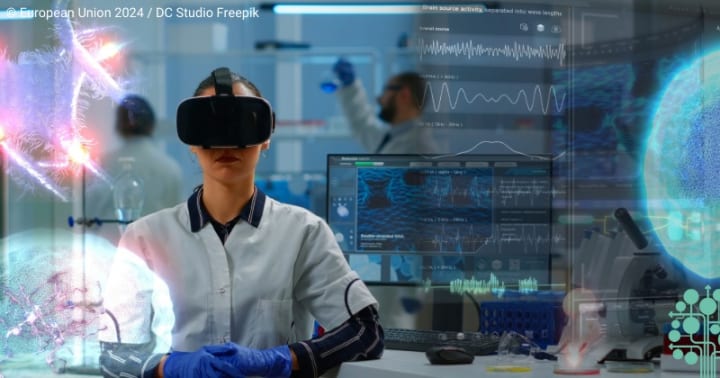
Introduction – The Age of AI
We are standing at the edge of one of the greatest transformations in human history. The rise of Artificial Intelligence (AI) and automation is reshaping how we live, learn, and work. From self-
driving cars to smart assistants, from predictive healthcare to personalized learning, AI is no longer science fiction—it is reality.
This new era brings with it both challenges and opportunities. Jobs that once seemed secure are now being automated, while entirely new roles are emerging. The future will not simply reward those who work harder, but those who work smarter, with the right digital skills that complement the power of technology.
The Age of AI is not about competing with machines—it is about collaborating with them. Those who understand how to leverage AI, adapt to new tools, and remain flexible in their learning will thrive. This book is your guide to building those essential skills and preparing yourself to succeed in the digital future.

Why Digital Skills Matter Now More Than Ever
In today’s world, technology is woven into nearly every part of our lives. From the way we communicate to the way businesses operate, digital tools shape the pace and direction of change. Having digital skills is no longer a luxury—it’s a necessity for survival and growth.
Employers increasingly seek individuals who can adapt to new systems, analyze data, and use digital platforms effectively. Even careers that once required little technology are now being transformed by AI, automation, and digital processes. A teacher, for example, must now use online learning tools. A small business owner must manage digital marketing campaigns. A doctor relies on AI-driven diagnostics.
Beyond the workplace, digital skills empower individuals to make smarter decisions in daily life. Whether it’s protecting yourself from online scams, managing finances through digital banking, or staying connected across borders, digital literacy defines your ability to participate fully in modern society.
The difference between thriving and struggling in the coming years will often come down to who has invested in developing these skills. Technology will keep advancing—but those who embrace learning and keep up with digital change will always stay ahead.

Core Skill 1: Digital Literacy”
Do you mean:
a short content/description explaining Core Skill 1: Digital Literacy (e.g., definition, importance, examples),
or a contact section (like an email/phone/social info for someone teaching digital literacy),
or a learning content outline for a module on digital literacy?
If you mean a description, here’s a draft you could use:
Core Skill 1: Digital Literacy
Digital literacy is the ability to effectively and responsibly use digital technologies for communication, collaboration, information management, and problem-solving. It includes skills such as:
Understanding how to access, evaluate, and use information online.
Communicating and collaborating through digital tools.
Protecting personal data and practicing safe, ethical online behavior.
Using productivity tools, applications, and emerging technologies in daily life and work.
Digital literacy empowers individuals to participate fully in the modern world, enhancing employability, learning, and civic engagement.
Core Skill 2: Data & Analytical Thinking
Data & analytical thinking is the ability to collect, interpret, and use data to make informed decisions and solve problems. It combines logical reasoning, critical evaluation, and evidence-based analysis.
Key aspects include:
Understanding Data: Knowing different types of data (qualitative vs. quantitative) and how it is collected.
Analyzing Information: Using charts, graphs, and statistical tools to recognize trends, patterns, and relationships.
Critical Thinking: Questioning assumptions, identifying biases, and validating sources of data.
Problem-Solving: Applying insights from data to real-world challenges in business, education, or daily life.
Decision-Making: Making choices backed by evidence rather than guesswork.
Mastering data and analytical thinking helps individuals become more effective in the digital age, where decisions are increasingly shaped by information and insights rather than intuition alone.
Core Skill 3: Creativity & Innovatio
Creativity & innovation are about generating new ideas, reimagining old ones, and turning them into practical solutions. In today’s rapidly changing world, these skills are essential for adapting, problem-solving, and driving progress.
Key aspects include:
Idea Generation: Thinking beyond conventional approaches to develop fresh concepts.
Imagination & Experimentation: Exploring possibilities, taking risks, and testing new methods.
Innovation in Practice: Transforming creative ideas into real-world products, services, or solutions.
Design Thinking: Applying user-centered approaches to create meaningful and effective outcomes.
Adaptability: Staying open to change and continuously finding better ways of doing things.
Developing creativity and innovation empowers individuals to stand out, create value, and contribute to personal, professional, and societal growth. It’s not just about art or design—it’s about approaching challenges with originality and a mindset of possibility.

Core Skill 4: Emotional Intelligence in a Digital World
Emotional intelligence (EI) in a digital world is the ability to understand, manage, and express emotions effectively while interacting through technology. Since much of modern communication happens online, building empathy and maintaining respectful digital relationships has become a core life skill.
Key aspects include:
Self-Awareness: Recognizing your own emotions, triggers, and digital habits.
Self-Management: Regulating your responses, avoiding impulsive reactions, and practicing mindfulness in digital interactions.
Empathy: Understanding and respecting the emotions of others, even without face-to-face cues.
Digital Communication: Using tone, language, and etiquette appropriately across emails, chats, and social media.
Conflict Resolution: Managing disagreements online calmly, constructively, and without escalation.
Well-Being & Balance: Setting healthy boundaries to avoid digital overload, stress, or negative emotional impacts.
In a world where our personal and professional lives are increasingly online, emotional intelligence ensures healthier relationships, better collaboration, and a more positive digital culture.

Core Skill 5: Adaptability & Continuous Learning
Adaptability & continuous learning are the abilities to adjust to change, embrace new challenges, and actively seek knowledge to stay relevant in a fast-evolving world. With rapid technological and social shifts, these skills are essential for long-term success.
Key aspects include:
Openness to Change: Accepting that change is constant and viewing it as an opportunity rather than a threat.
Resilience: Remaining positive and solution-focused in the face of uncertainty or setbacks.
Growth Mindset: Believing that skills and intelligence can be developed through effort and learning.
Lifelong Learning: Continuously upgrading skills through courses, reading, mentorship,
and practice.
Digital Learning Tools: Leveraging online platforms, e-learning, and virtual communities to expand knowledge.
Future Readiness: Anticipating new trends and preparing proactively for emerging challenges.
Cultivating adaptability and continuous learning ensures individuals remain agile, confident, and capable of thriving in any environment—whether in personal growth, education, or the workplace.

Practical Tools & Resources to Get Started
Building future-ready skills doesn’t have to be overwhelming—there are plenty of tools, platforms, and resources available to help you begin your journey. Below are some practical starting points for each core skill area:
1. Digital Literacy
Google Digital Garage – Free courses on basic to advanced digital skills.
Khan Academy – Tutorials on internet safety, computing, and online productivity.
Coursera / edX – Beginner-friendly digital skills certifications.
2. Data & Analytical Thinking
Microsoft Excel & Google Sheets – Essential tools for practicing data analysis.
Tableau Public / Power BI – Free versions for data visualization.
Kaggle – Online platform with datasets and competitions to practice analysis.
3. Creativity & Innovation
Canva – Design tool for creative projects without advanced skills.
Miro / FigJam – Online whiteboards for brainstorming and collaboration.
IDEO Design Thinking Resources – Free guides to creative problem-solving.
4. Emotional Intelligence in a Digital World
Headspace / Calm Apps – Mindfulness tools for self-awareness and regulation.
Nonviolent Communication (NVC) resources – Framework for empathetic communication.
Digital Etiquette Guides – Free articles on professional and respectful online interactions.
5. Adaptability & Continuous Learning
LinkedIn Learning – Thousands of courses to build new skills at your own pace.
Udemy / Skillshare – Affordable, practical courses in almost every field.
Podcasts & Blogs – Stay updated with industry-specific insights.
Tips to Get Started:
Start small—pick one tool per skill and practice consistently.
Join online communities to learn alongside others.
Set weekly learning goals to build momentum.
The goal is progress, not perfection. With the right tools and mindset, you can gradually strengthen each skill and prepare yourself for the future of work and life.

Future Career Paths Shaped by AI
Artificial Intelligence (AI) is no longer a distant concept—it is already reshaping industries, workplaces, and career opportunities. While some routine jobs are being automated, AI is also creating new roles that demand human creativity, emotional intelligence, and problem-solving skills.
Emerging Career Paths Influenced by AI:
AI & Machine Learning Specialists
Experts who design, train, and improve AI systems.
Skills: Programming, data science, and algorithm development.
Data Analysts & Data Scientists
Professionals who interpret complex data and extract insights for decision-making.
Skills: Statistics, visualization, and analytical thinking.
AI Ethics & Policy Advisors
Roles focused on ensuring fairness, transparency, and accountability in AI systems.
Skills: Ethical reasoning, law, and governance.
Human-AI Interaction Designers
Specialists who design interfaces and experiences that allow humans and AI to collaborate effectively.
Skills: UX/UI design, psychology, and human-computer interaction.
Automation & Robotics Engineers
Professionals who develop intelligent machines for industries like healthcare, logistics, and manufacturing.
Skills: Engineering, robotics, and AI integration.
Cybersecurity Analysts
Experts who protect systems and data from AI-driven cyber threats.
Skills: Security protocols, risk management, and digital forensics.
AI in Healthcare Specialists
Roles focused on using AI for medical diagnostics, drug discovery, and personalized treatments.
Skills: Biomedical knowledge, data analysis, and AI tools.
Creative & Strategic Roles Enhanced by AI
Content creators, marketers, educators, and strategists who use AI tools to amplify creativity and impact.
Skills: Storytelling, innovation, and adaptability.
The Human Advantage
While AI handles speed, scale, and repetitive tasks, humans will always excel in creativity, empathy, leadership, and ethical decision-making. Future careers will increasingly combine technical knowledge with human-centered skills, making adaptability and continuous learning more important than ever.
Conclusion – Building Your Future Today
The future belongs to those who are ready to adapt, learn, and grow. As technology, especially Artificial Intelligence, reshapes the way we live and work, the skills you develop today will determine your opportunities tomorrow.
Digital literacy, data and analytical thinking, creativity, emotional intelligence, and adaptability are not just academic concepts—they are practical tools that empower you to thrive in uncertain times. Combined with continuous learning and the ability to harness AI responsibly, these skills open doors to meaningful careers, innovation, and personal growth.
Key Takeaways:
Stay curious—learning never stops.
Embrace change instead of fearing it.
Use technology wisely, but never lose your human touch.
Invest in both technical and human-centered skills.
The journey to future readiness starts with small, consistent steps. Every new tool you explore, every skill you practice, and every challenge you overcome is a building block for your success.
Your future is not something you wait for—it’s something you create. Start today.
About the Creator
Mr Ali
Hello EveryOne..!!
Fair Exchange, No Robberies
Dark Memoirs - Index There are at least two kinds of people in the world: those who write this half-arsed kind of intro to a story that looks to separate the rare and the norm, and those who realise it's an overused framing device and don't.
By Paul Stewart7 days ago in Chapters
Hobbies Makes For A Fun Life
When we live life how do we make it fun or do we make it fun? Have we ever thought about that, while living life, do we make living life fun? Making living fun is getting the most out of it by doing the hobbies that we enjoy. Yes we all need to work as I have said before but we can’t always work. We need to do things that relax us and bring us joy also. When this happens we are living a fun life that we are in complete control of. An example of hobbies that can make for a fun life and in turn that we are in complete control of is doing the hobbies we enjoy, reading, or watching a certain show, or re-organizing things, or making bracelets, or whatever hobbies that you enjoy. I love getting outside and getting active when the weather is nice, just to clear my mind which is great.
By Louise Barracoa day ago in Chapters


Comments
There are no comments for this story
Be the first to respond and start the conversation.