


Its Non Invasive Ventilation which is also known as Breathing Support, Its draws in air from room and then filter it and pressurizes it into lungs based on pressure setting.
Advantages Of CPAP:
Used to treat OSA (Obstructive Sleep Apnea), Its basically a condition when you stop breathing during your sleep about hundred times in night or even at day nap which cause hypoxia (lack of oxygenation to brain and heart)
Disadvantages Of CPAP:
- Stomach bloating
- Nasal Congestion
Indications For CPAP:
It normalizes blood oxygen saturation, and also used as a quick delivery of oxygen when there is a obstruction in path of airway during sleep like COPD(Chronic Obstructive Pulmonary Disease, It helps to keep opening of upper airway of lungs.
It affect brain by leading almost complete reversal of white matter abnormalities (12 months)
Respiratory Distress Syndrome (RDS):
It is also known as Surfactant Deficiency in which lungs not developed fully to able to produce enough surfactants which open lungs passage (bronchus), Its a Hyaline Membrane Disease also known as Preterm Disease.
Pulmonary Edema:
Excessive fluid accumulation in tissue or air space of lungs cause hypoxemia which can cause of Respiratory Failure, Kidney Failure, Heart Disease
Atelectasis:
Partial collapse of lungs, blockage of air passage known as bronchus, bronchioles due to mucus or any other object like clot
Treatment:
- Obstruction is remove by bronchoscopy
- Breathing Exercises (Incentive Spirometry)
- Percussion, Shaking, Compression, Vibration to get rid of mucus
Recent Extubating:
It is based on four criteria
M-Mental Status
O-Oxygenation
V-Ventilation
E-Expectoration
Removal of endotracheal tube may also increase risk of laryngeal spasm, cough and stridor
Use Suction device to remove any kind of debris in mouth
Transient Tachypnoea Of Newborn (TTN):
Slow absorption of fluid in fetal lungs shortly after delivery which is related to respiratory problem
Characteristics:
- Expiratory Grunting
- Nasal Flaring
- Cyanosis
It mostly occur in babies whose mother have diabetes or either by C-section, rapid vaginal delivery
Tracheomalacia:
Softness of intrathoracic trachea dilates with inspiration and narrow with expiration
Intrathoracic pressure substantially greater than intraluminal pressure
Types Of Tracheomalacia:
- Tracheomalacia-trachea softening
- Bronchomalacia-bronchus softening
- Tracheobronchomalacia-trachea and bronchioles softening
Apnea Of Prematurity:
Throat muscles in relax condition during sleep.
About the Creator
umamanidrah
Hello to all, My name is Umama Nidrah and by profession I'm a physiotherapist and I am seeking for Article writing , Blog writing that is related to health with some interesting initiatives which are also uptodate.
Keep reading
More stories from umamanidrah and writers in Chapters and other communities.
Trendelenburg's Sign
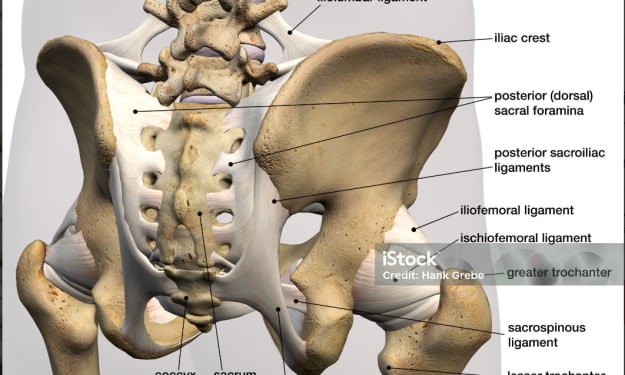
It occurs in people with weak or paralyzed Abductor Muscles(Gluteus Medius, Gluteus Minimus) of hip. Examination: Sign demonstrated by patient by asking him/her to stand on one limb, If pelvis drop on other side of leg which is weight bearing side for 30 seconds so it means sign is positive.
By umamanidrah2 years ago in Chapters
The Cave Part 6
If you have ever heard a tale about yourself that you cannot remember and doubtless think is made up, you will know how I felt when Tharkin related all that the eagle had seen of me before my memories were scattered. Of far distances and traveling companions that I did not recall, camping out under the stars and making our way to the mountains with deliberate purpose. The great bird had lost contact with my party once we entered the forests, and the seven other members were not seen again by him or his brethren since.
By Jamye Sharp13 days ago in Chapters
The Unseen Symphony
Dr. Evelyn Reed was a seasoned glaciologist, her life spent amidst the stark, breathtaking desolation of Antarctica. Her current mission, a solitary vigil at a remote research outpost, involved deploying advanced hydrophones deep beneath the ancient ice sheet. She was searching for subtle shifts, the groans and creaks of a continent slowly reshaping itself. But what she found was something far more profound.
By Being Inquisitive7 days ago in Chapters



Comments (2)
Amazing
Nice work