
Coconut Chronicles: Sri Lanka's Rise in Global Markets
"Navigating Sri Lanka's Coconut Boom: Inside the Country's Thriving Industry and Global Demand"
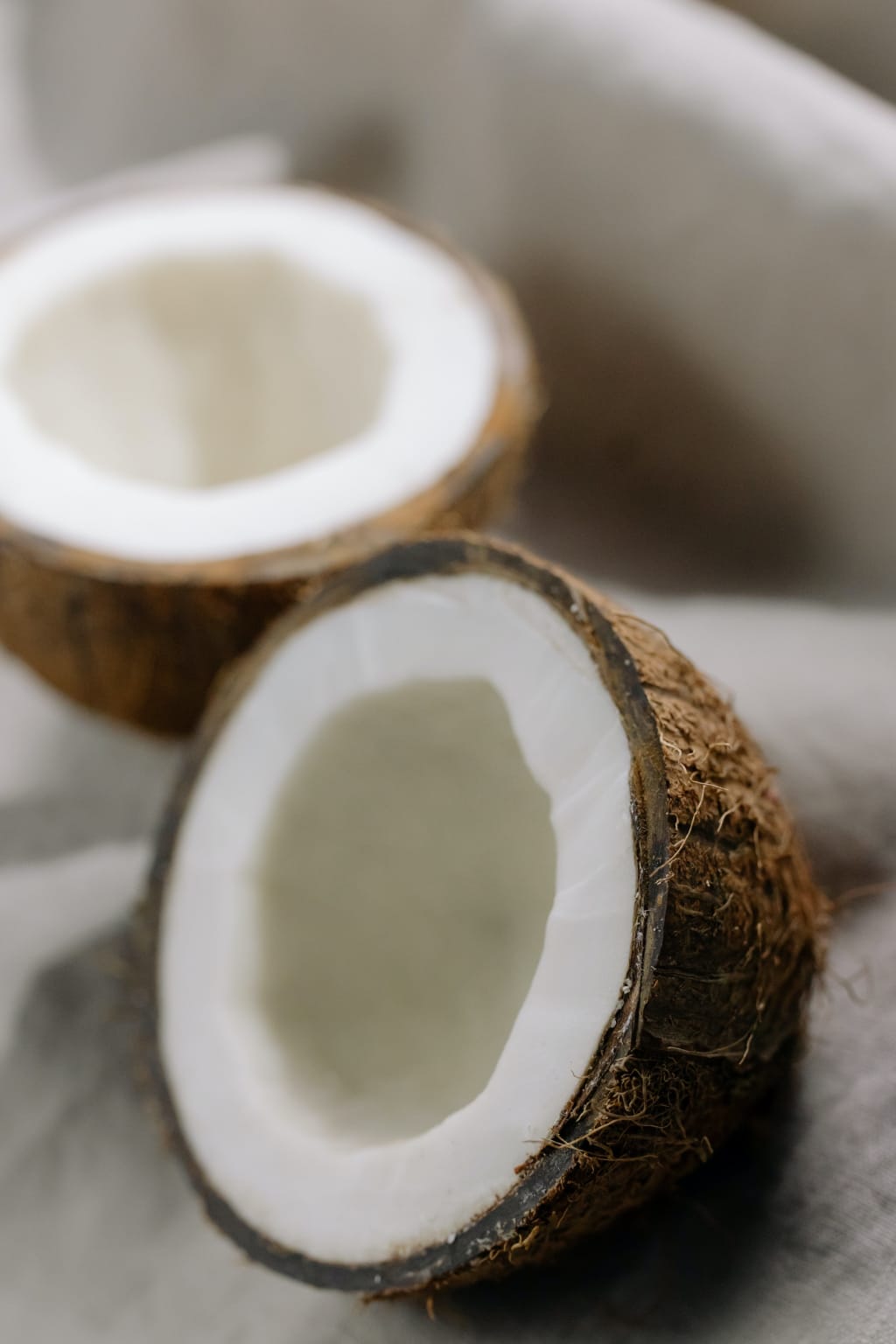
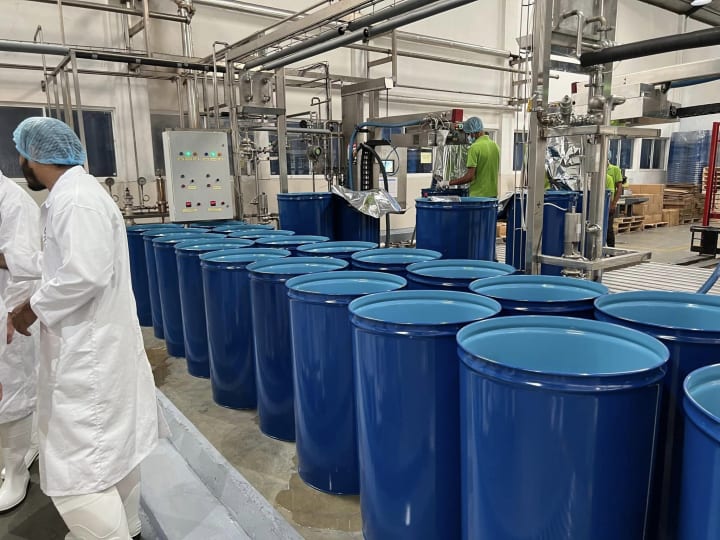
In Sri Lanka, a bustling factory produces over 30,000 metric tons of coconut annually, yet the majority is destined for international markets such as Europe, the US, and Canada. The global demand for coconut products, positioned as superfoods, has skyrocketed in recent years. With U.S. coconut oil consumption rising by almost 30% since 2018, companies like Navic Mills, a five-year-old enterprise, have emerged as major players, generating $40 million annually by offering coconut oil, cream, water, and milk.
However, meeting the world's coconut obsession comes with challenges and risks. Sri Lankan farmers, exemplified by individuals like Shihan Madushanka, navigate perilous heights to hand-harvest coconuts. Foreign workers, facing spinning saws and manual peeling, contribute to the industry's growth, driven by the West's insatiable appetite for natural coconut products.
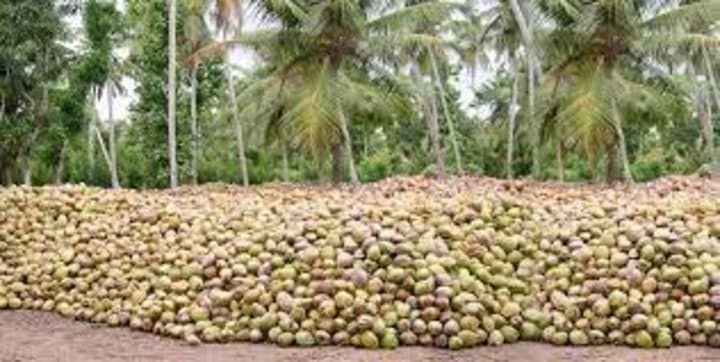
This article explores the intricacies of Sri Lanka's coconut production, from the challenges faced by farmers to the innovative solutions employed by companies like Navic Mills. Delving into the cultural significance of coconuts in Sri Lanka, it highlights the centuries-old tradition that underpins the country's position as one of the world's largest coconut producers.
As the coconut industry flourishes, the article sheds light on the socio-economic aspects, revealing that despite the industry's prosperity, both farmers and workers earn modest incomes. It delves into Navic Mills' initiatives to bridge the income gap, covering school fees for farmers' children.
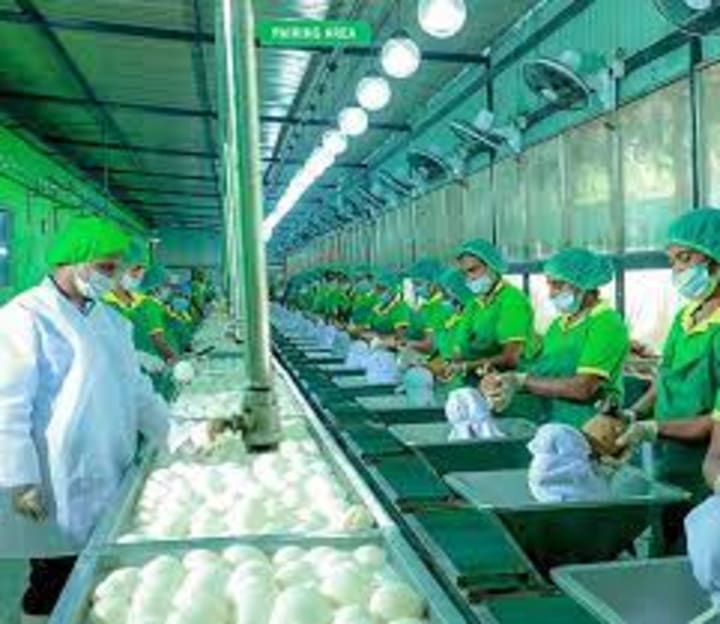
The production process, from handpicking to advanced machinery, is unveiled, emphasizing the meticulous care taken to ensure quality. The article explores the diverse range of coconut products, with a focus on the company's best-selling items: coconut oil and regular coconut milk.
Beyond the industry's success, the article delves into the health hype surrounding coconut products. It examines contrasting perspectives from nutritionists, addressing claims and controversies related to coconut oil, coconut water, and their impact on health.
The narrative concludes by examining the broader trend of superfood crazes and their impact on global agricultural practices. Drawing parallels with other superfoods like acai and quinoa, it explores the potential pitfalls and challenges faced by farmers worldwide due to surging global demand.
In a grander context, the article raises essential questions about the sustainability and ethics of the superfood industry, urging consumers to consider the historical and cultural dimensions of the foods they embrace. "Navigating Sri Lanka's Coconut Boom" provides a comprehensive overview, inviting readers to ponder the far-reaching consequences of their health food obsessions on those who toil to satisfy them.
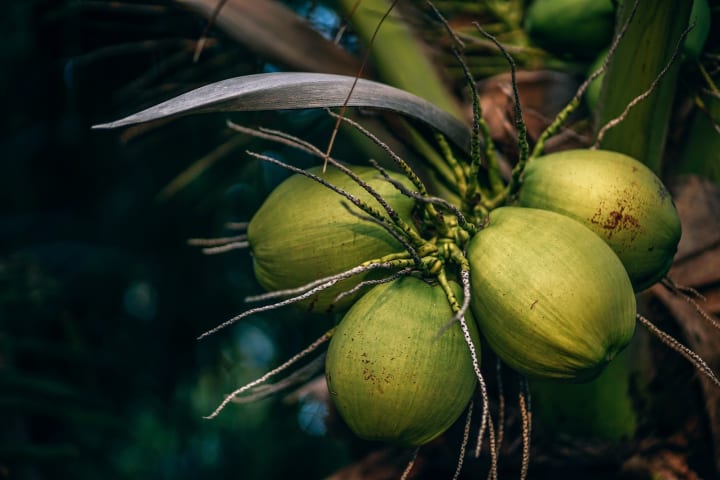
Global demand for coconut products:
The global demand for coconut products has experienced a substantial surge in recent years, driven by factors such as changing consumer preferences, increased awareness of health benefits, and the versatile applications of coconut in various industries. Here are some key details about the global demand for coconut products:
Superfood Trend: Coconut products, including coconut oil, water, milk, and cream, have been embraced as superfoods by health-conscious consumers. The perception of coconuts as a natural and nutritious option has fueled their popularity in Western countries.
Health and Wellness: The marketing of coconut products as a healthier alternative has significantly contributed to global demand. Claims of benefits such as improved bone health, blood sugar regulation, weight loss, and antioxidant properties have attracted health-conscious consumers.
Diverse Applications: Coconuts are utilized in a wide range of products, from food and beverages to cosmetics and personal care items. Coconut oil, in particular, has found applications in cooking, skincare, haircare, and even in the production of biofuels.
Culinary Trends: The culinary industry has incorporated coconut products into various cuisines, contributing to the rising demand for coconut-based ingredients. The use of coconut milk and cream in both traditional and innovative recipes has become prevalent.
Substitution for Dairy: The rise of plant-based diets and lactose intolerance awareness has led to an increased demand for alternatives to dairy products. Coconut milk and coconut cream are often used as dairy substitutes in cooking and baking.
Global Distribution: While coconut-producing countries like Sri Lanka, the Philippines, Indonesia, and India play a significant role in meeting the demand, the products are exported globally. European and North American countries, in particular, are major importers of coconut products.
Marketing and Branding: Companies have capitalized on the trend by promoting coconut products as natural, organic, and sustainably sourced. Marketing strategies often emphasize the tropical and exotic nature of coconuts, contributing to their appeal.
Challenges in the Supply Chain: Meeting the escalating global demand has posed challenges for the supply chain, from coconut farmers to processing facilities. The need for increased production has led to innovations in farming practices and processing technologies.
Sustainability Concerns: As demand grows, there are increasing concerns about the sustainability of coconut farming practices. Balancing the need for higher yields with environmental and ethical considerations is an ongoing challenge for the industry.
Economic Impact: The coconut industry has become a significant contributor to the economies of producing countries. Export revenues, job creation, and the establishment of processing facilities contribute to the economic growth of these regions.

The global demand for coconut products reflects evolving consumer preferences, health-conscious trends, and the widespread adoption of coconuts in various industries. As the market continues to expand, stakeholders must address sustainability and ethical considerations to ensure the long-term viability of the coconut industry.
About the Creator
Arthy Raj
TAKE IT LITE, AND WALK OFF FROM THAT PATH.
Fair Exchange, No Robberies
Dark Memoirs - Index There are at least two kinds of people in the world: those who write this half-arsed kind of intro to a story that looks to separate the rare and the norm, and those who realise it's an overused framing device and don't.
By Paul Stewart11 days ago in Chapters
Why Should Living Have So Many Hobbies In It
When we live life do we think about how we should go about doing it or do we just do it? When you live, how do we do it? We sleep, we eat, we move our bodies, and that is what life is all about. The question is why should living have so many hobbies? We all know that having hobbies in life is a good thing because it is a way for us to relax and do things we enjoy. Sometimes we can do these things on our own and have some alone time and other times we can bring people with us and do it as a group. This all depends on the hobbies that we are doing and what we want out of them. Living the life that we want to live has so many hobbies because it makes how we live life worth it. The more we do the hobbies we enjoy in the way we live our lives the more we will get out of life through the hobbies we do. Living has hobbies to give life the variety that it does so that we are all uniquely different and so that we can get so much more out of life.
By Louise Barraco6 days ago in Chapters


Comments (1)
Good One