
Cholesterol and Heart Disease: A Complete Guide to Prevention and Management
Cholesterol and Heart Disease: A Full Guide to Risk Control

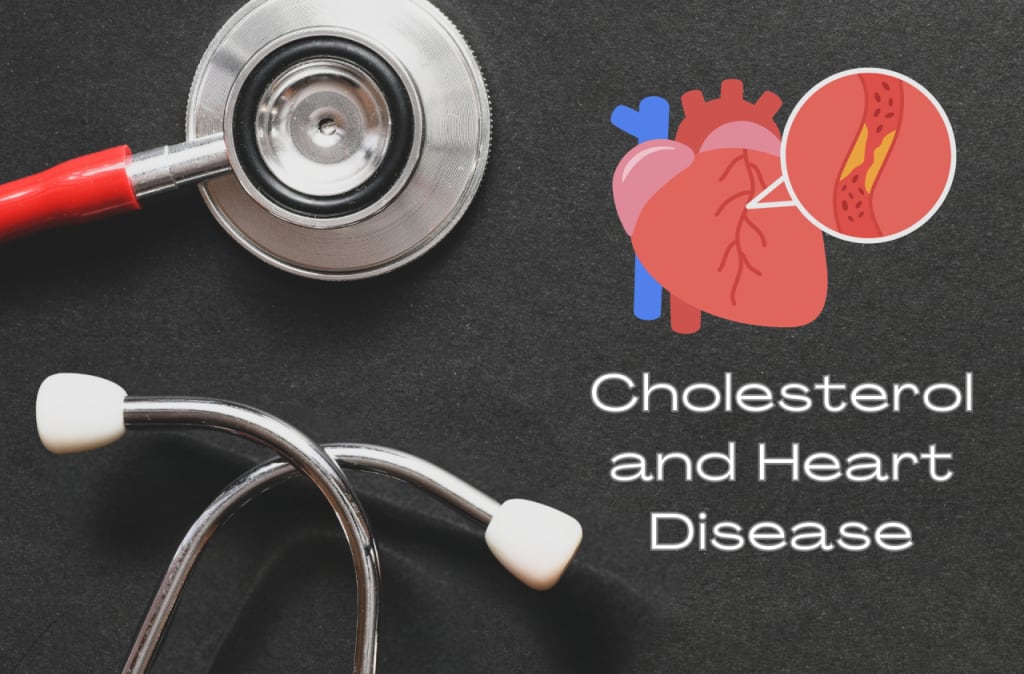
Cholesterol is a vital substance in your body, but when levels get too high, especially the wrong kind of cholesterol, it can lead to serious heart problems. In this guide, we’ll break down everything you need to know about cholesterol, its connection to heart disease, and how you can manage it effectively to stay healthy.
What is Cholesterol?
Cholesterol is a waxy substance found in your blood. It’s needed to build healthy cells, produce hormones, and digest food. Your body makes all the cholesterol it needs, but it also comes from the foods you eat. While cholesterol itself isn’t bad, having too much of certain types can lead to health issues.
There are two main types of cholesterol:
- Low-Density Lipoprotein (LDL): Often called “bad” cholesterol, LDL can build up in the walls of your arteries, forming plaques that can narrow and harden the arteries. This process is known as atherosclerosis, which increases the risk of heart attack, stroke, and other cardiovascular diseases.
- High-Density Lipoprotein (HDL): Known as “good” cholesterol, HDL helps remove LDL cholesterol from your bloodstream, carrying it back to the liver, where it’s broken down and removed from the body. Higher levels of HDL are linked to a lower risk of heart disease.
The Connection Between Cholesterol and Heart Disease
High cholesterol is a significant risk factor for heart disease. When LDL cholesterol builds up in your arteries, it leads to plaque formation. Over time, these plaques can harden and narrow the arteries, reducing blood flow to the heart. This condition, called coronary artery disease, can result in chest pain (angina), heart attacks, and even death if left untreated.
Conversely, high levels of HDL cholesterol can help protect against heart disease by removing excess LDL cholesterol from the arteries and reducing inflammation.
Factors Influencing Cholesterol Levels
Several factors can influence your cholesterol levels, including:
- Diet: Foods high in saturated fats, trans fats, and cholesterol can raise your LDL levels. Reducing these foods can help lower cholesterol.
- Genetics: Some people have a genetic predisposition to high cholesterol. If high cholesterol runs in your family, you may need to take extra steps to manage it.
- Lifestyle: Lack of exercise, smoking, and excessive alcohol consumption can raise LDL cholesterol and lower HDL cholesterol.
- Medications: Certain medications, like steroids and progestins, can raise cholesterol levels.
Additionally, emerging research points to other risk factors, such as inflammation and oxidative stress, which can also affect cholesterol and heart health.
Symptoms and Diagnosis
High cholesterol itself doesn’t cause any symptoms. Most people don’t know they have high cholesterol until they have a blood test or experience a heart attack or stroke. This is why regular screening is essential, especially if you have risk factors like obesity, diabetes, or a family history of heart disease.
A cholesterol test, or lipid panel, measures:
- Total cholesterol
- LDL cholesterol
- HDL cholesterol
- Triglycerides (another type of fat in the blood)
Based on these results, your doctor can determine your risk of heart disease and recommend appropriate lifestyle changes or treatments.
Prevention and Management Strategies
Managing cholesterol is crucial for preventing heart disease. Here’s how you can keep your cholesterol in check:
1. Eat a Heart-Healthy Diet:
- Focus on fruits, vegetables, whole grains, and lean proteins.
- Avoid saturated fats found in red meat and full-fat dairy products.
- Eliminate trans fats found in many fried and baked goods.
- Include healthy fats from sources like olive oil, avocados, and nuts.
2. Exercise Regularly:
- Aim for at least 30 minutes of moderate exercise most days of the week.
- Activities like walking, jogging, cycling, and swimming can raise HDL cholesterol and lower LDL cholesterol.
- Exercise also helps with weight management, another critical factor in controlling cholesterol.
3. Maintain a Healthy Weight:
- Losing even a small amount of weight can help lower your cholesterol levels.
- Focus on sustainable, healthy eating habits and regular physical activity.
4. Avoid Smoking and Limit Alcohol:
- Smoking lowers HDL cholesterol and damages the walls of your blood vessels, making it easier for LDL cholesterol to accumulate.
- Excessive alcohol consumption can raise your total cholesterol and triglycerides.
5. Consider Medications if Necessary:
- If lifestyle changes aren’t enough, your doctor may prescribe statins or other cholesterol-lowering medications.
- These medications can help reduce LDL cholesterol levels and lower your risk of heart disease.
Psychological Impact and Coping Strategies
Managing cholesterol and heart disease isn’t just about physical health; it also affects your mental well-being. The stress of a heart disease diagnosis, lifestyle changes, and the need for ongoing monitoring can take a toll. Here are some strategies to cope:
- Stay Informed: Understanding your condition and treatment options can reduce anxiety. Don’t hesitate to ask your doctor questions or seek out reliable information.
- Manage Stress: Practice relaxation techniques like deep breathing, meditation, or yoga. Regular exercise is also a great way to manage stress.
- Build a Support Network: Talk to friends, family, or support groups about your experiences. Having someone to share your concerns with can make a big difference.
Frequently Asked Questions (FAQs)
Q1. Is all cholesterol bad?
No, not all cholesterol is bad. HDL cholesterol is considered “good” because it helps remove LDL cholesterol from your arteries. It’s essential to have a balance, with more HDL and less LDL.
Q2. How can I naturally lower my cholesterol?
You can lower your cholesterol by eating a healthy diet, exercising regularly, losing weight, and avoiding smoking. Incorporating more fiber into your diet and consuming omega-3 fatty acids can also help.
Q3. What’s the difference between HDL and LDL cholesterol?
HDL (high-density lipoprotein) is “good” cholesterol that helps remove LDL (low-density lipoprotein), or “bad” cholesterol, from your bloodstream. HDL reduces the risk of heart disease, while high LDL levels increase it.
Conclusion
Cholesterol plays a vital role in your body, but too much of the wrong kind can be dangerous. By understanding the relationship between cholesterol and heart disease, you can take steps to protect your heart. Eat well, stay active, avoid smoking, and talk to your doctor about managing your cholesterol levels. With the right lifestyle changes and, if needed, medication, you can reduce your risk of heart disease and live a healthier, longer life.
About the Creator
John Alcote
Meet John Alcote, a writer and health expert dedicated to helping you live a healthier, happier life. With engaging writing and extensive knowledge on all things health, nutrition, let me be your guide to transform your wellbeing.
Keep reading
More stories from John Alcote and writers in Chapters and other communities.
What Causes Someone to Snore? Uncover the Surprising Reasons and Sleep Better
Introduction: What Causes Someone to Snore? Discover the Key Reasons Snoring is more than just a nighttime nuisance; it’s a common issue affecting millions worldwide. But what causes someone to snore? Understanding the root of this noisy problem can lead to better sleep and even improve overall health. In this article, we'll delve into the surprising causes of snoring, how they affect your nightly rest, and what you can do to keep the peace in your bedroom.
By John Alcote2 years ago in Chapters
If the Strait of Hormuz is closed for a long time, it will benefit Russia.
A war involving the United States and Israel with Iran carries the risk that the Strait of Hormuz could remain closed for a prolonged period. This is a crucial route in the global economy through which 20% of the world’s oil and liquefied natural gas is supplied from the countries of the Persian Gulf.
By Real content6 days ago in Chapters
Becca
"Everything is so... flat." Denille said stupidly as she looked around her new neighborhood. She looked around at the muted desert where even the smallest sign of life seemed to have given up. The plant life was shrubs that were half cooked by the heat and where there should have been a lawn, a mess of white rocks laid glistening in the sun. Even the sky looked stretched thin, like the sun had ironed it smooth. She’d moved from Riverside, where at least there were hills, but here in Barstow, everything felt baked and brittle.
By Sara Wilson7 days ago in Fiction



Comments
There are no comments for this story
Be the first to respond and start the conversation.