
Book Review - "Rich Dad Poor Dad: The Mindset Shift That Can Set You Free"
The Two Paths to Wealth: A Journey of Rich Dad vs. Poor Dad

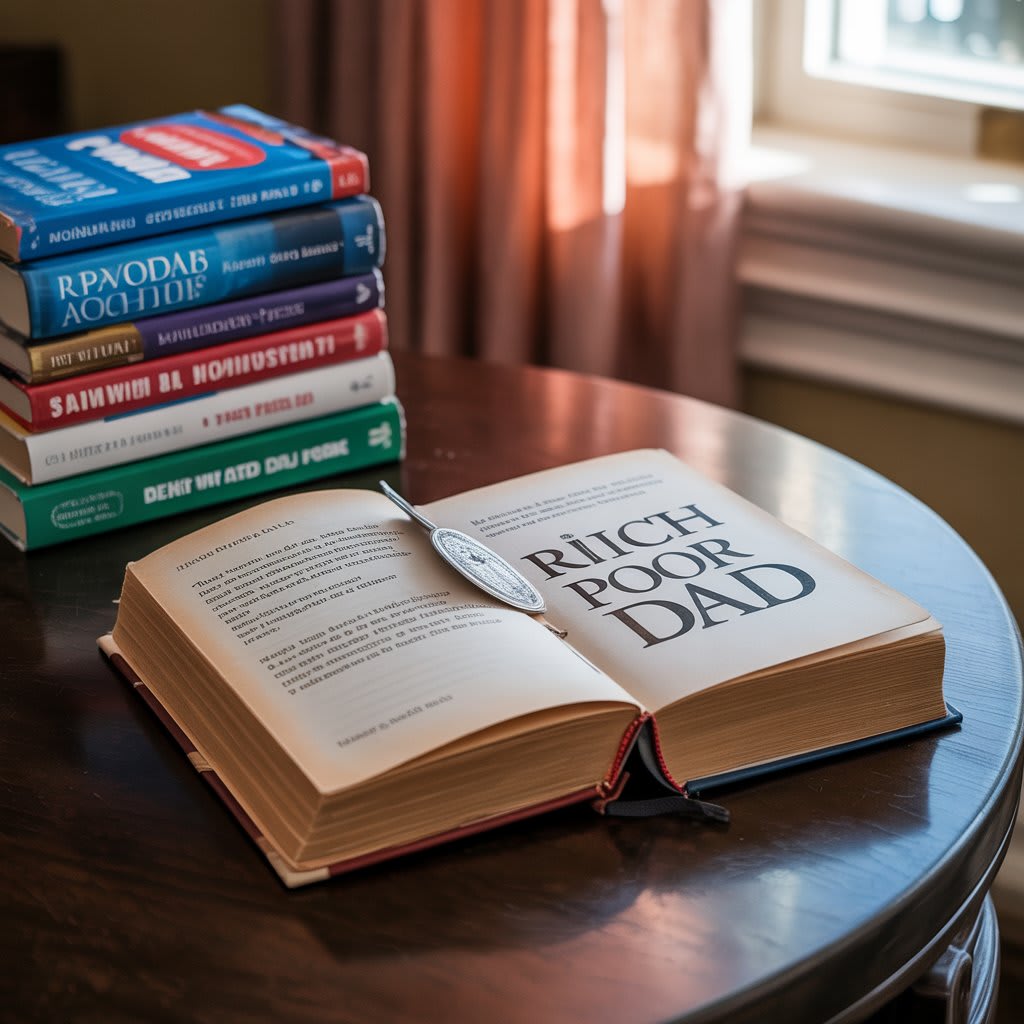
The Life-Changing Lessons of Rich Dad Poor Dad
ts two father figures in Kiyosaki’s life: his biological father (Poor Dad) and the father of his best friend (Rich Dad). Through their differing philosophies, Kiyosaki reveals powerful lessons that challenge conventional beliefs about money.
The Two Dads: A Tale of Contrasting Mindsets
Kiyosaki’s Poor Dad was highly educated, held a prestigious job as a government official, and believed in the traditional path of working hard, saving money, and relying on job security. Despite his intelligence and work ethic, Poor Dad struggled financially and often lived paycheck to paycheck. His belief in the system—climbing the corporate ladder and depending on pensions—left him vulnerable when unexpected challenges arose.
On the other hand, Rich Dad, a self-made entrepreneur, had a completely different approach. He believed in financial education, investing, and building assets that generated passive income. Rich Dad didn’t rely on a salary; instead, he focused on acquiring businesses, real estate, and stocks that worked for him. His wealth grew not from labor but from smart financial decisions and a deep understanding of money.
Lesson 1: The Rich Don’t Work for Money
One of the most groundbreaking lessons from Rich Dad Poor Dad is that the rich don’t work for money—they make money work for them. Poor Dad believed in job security, while Rich Dad taught Kiyosaki to see opportunities where others saw obstacles. Instead of trading time for money, Rich Dad encouraged building systems and investments that generated income without constant effort.
Kiyosaki shares how he and his best friend, Mike, worked for Rich Dad as kids for little pay. At first, they felt exploited, but Rich Dad used this experience to teach them about the trap of the rat race—the cycle of working, earning, and spending without ever achieving true financial freedom. This lesson became the foundation of Kiyosaki’s financial philosophy.
Lesson 2: The Importance of Financial Education
Schools teach us how to be good employees, not how to be financially independent. Poor Dad valued academic success, while Rich Dad emphasized financial literacy—understanding taxes, investments, and how money flows. Kiyosaki argues that without this knowledge, even high earners can struggle financially because they don’t know how to manage or grow their wealth.
The book stresses the difference between assets (things that put money in your pocket, like rental properties or dividends) and liabilities (things that take money out, like mortgages or car payments). Most people confuse the two, buying liabilities they think are assets, which keeps them stuck in financial struggles.
Lesson 3: Mind Your Own Business
Rich Dad advised Kiyosaki to mind his own business—meaning, build and protect your own income streams outside of your job. This doesn’t necessarily mean quitting your job immediately but rather starting side ventures, investing, or acquiring assets that generate passive income.
Kiyosaki shares how he started small, investing in real estate and building businesses, while still working other jobs. Over time, his investments grew, allowing him to leave traditional employment and achieve financial independence. This lesson is crucial for anyone looking to escape the 9-to-5 grind.
Lesson 4: Taxes and Corporations
Another eye-opening lesson is how the rich use corporations to minimize taxes. While employees earn income, get taxed, and then spend what’s left, the rich earn, spend, and then get taxed on the remainder. By understanding legal tax strategies and structuring their finances through corporations, the wealthy protect their earnings and grow their wealth more efficiently.
Kiyosaki explains that this isn’t about evading taxes but about using the system intelligently. Poor Dad saw taxes as inevitable, while Rich Dad saw them as an expense that could be managed with the right knowledge.
Lesson 5: Overcoming Fear and Taking Risks
Fear of failure and rejection keeps many people from pursuing wealth. Poor Dad avoided risks, fearing loss, while Rich Dad embraced failures as learning opportunities. Kiyosaki emphasizes that playing it safe often leads to mediocrity, while taking calculated risks—like starting a business or investing—can lead to financial freedom.
The book encourages readers to develop courage, learn from mistakes, and persist despite setbacks. Every successful investor or entrepreneur faces failures, but what sets them apart is their resilience and willingness to keep going.
The Power of Choice
Ultimately, Rich Dad Poor Dad is about choices. Poor Dad chose security, while Rich Dad chose freedom. Kiyosaki doesn’t claim one path is morally superior but highlights the consequences of each mindset. Financial freedom isn’t about being rich for the sake of luxury but about having options—the ability to live life on your terms.
The book’s principles have inspired millions to rethink their relationship with money. Whether it’s investing in real estate, starting a business, or simply improving financial literacy, Kiyosaki’s lessons provide a roadmap for escaping the rat race.
Final Thoughts
Rich Dad Poor Dad isn’t just a book—it’s a movement. It challenges readers to question societal norms about money and take control of their financial futures. By adopting the mindset of Rich Dad—focusing on assets, continuous learning, and smart risk-taking—anyone can begin the journey toward financial independence.
The key takeaway? Money alone doesn’t make you rich; knowledge, discipline, and the right mindset do. As Kiyosaki famously says, “The single most powerful asset we all have is our mind. If it is trained well, it can create enormous wealth
About the Creator
Am@n Khan
I'm educational storyteller passionate about turning knowledge into engaging narratives.
I write about topics like science, history and life skills.
Contact
WhatsApp : +923336369634
How Transparency and Honesty Drive Sustainable Financial Success
Financial success depends on more than profitability or growth metrics. It is deeply influenced by the principles guiding an organization’s decisions, communication, and long-term strategy. Transparency and honesty are not simply ethical ideals; they are strategic drivers of sustainable performance that strengthen stakeholder trust, reduce risk, and improve organizational resilience.
By Michael Christopher Venturino5 days ago in Chapters



Comments
There are no comments for this story
Be the first to respond and start the conversation.