
Behind the Spotlight: The Rise of Pop Culture Phenomena
Exploring the latest trends and unforgettable moments that define the entertainment world today.

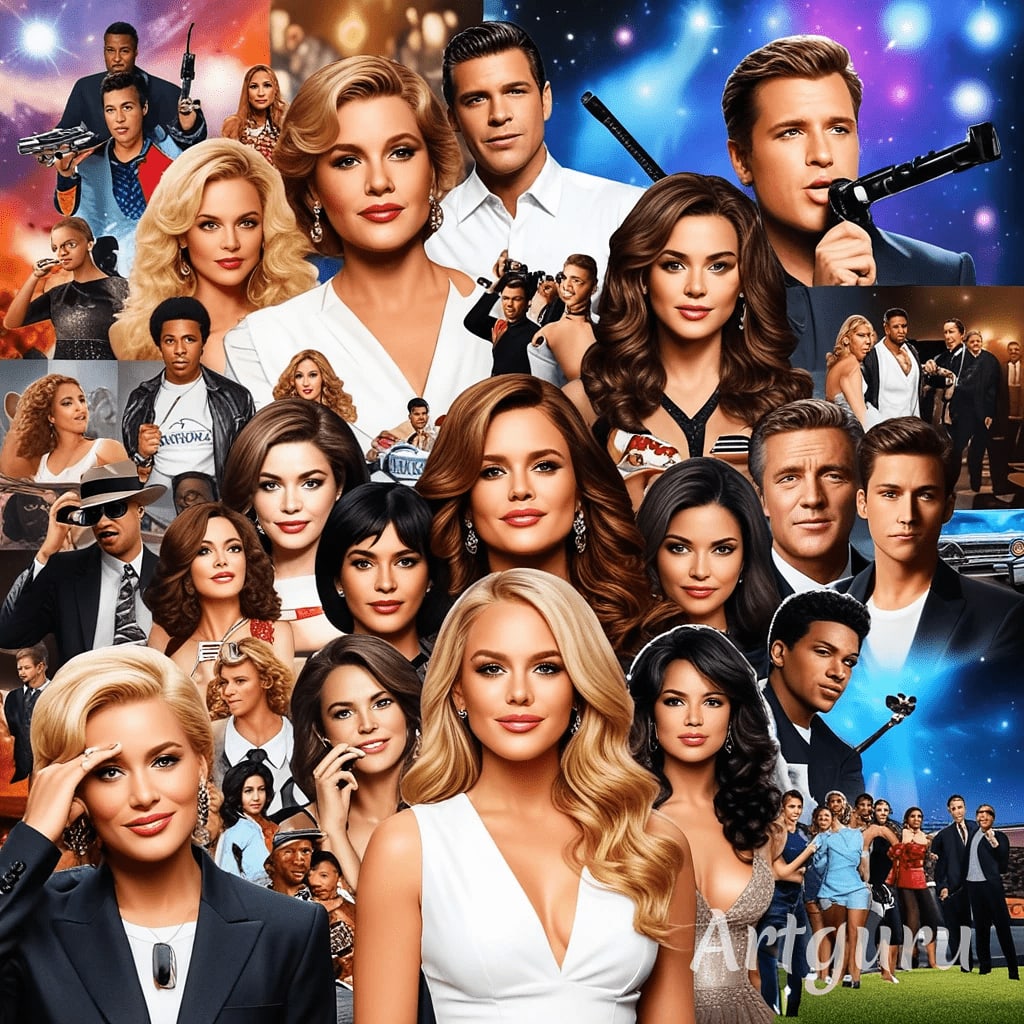
In the modern age, entertainment and pop culture are more than just a source of distraction; they have become integral parts of our daily lives. From the movies we watch to the music we listen to, pop culture shapes our ideas, emotions, and even the way we interact with others. Whether it’s a viral meme, a new music trend, or a box office hit, the influence of pop culture is undeniable, reaching far beyond the entertainment industry itself.
Pop culture is a mirror of society, reflecting current events, ideas, and issues, while simultaneously shaping the thoughts and actions of individuals. It’s a powerful force that affects everything from politics and fashion to social movements and personal identities. In this article, we will explore how entertainment and pop culture influence our world, how they evolve, and why they matter to our lives.
The Evolution of Pop Culture
Pop culture is not static. It evolves alongside society, adapting to the times and trends of the moment. In the early days, pop culture was largely shaped by television, radio, and film. Icons like Marilyn Monroe, Elvis Presley, and James Dean defined the mid-20th century, creating a generation that looked up to these figures as role models. The rise of rock and roll, Hollywood cinema, and television brought new forms of entertainment into the mainstream, influencing everything from fashion to political discourse.
As technology advanced, so did the reach of pop culture. The internet, social media, and streaming platforms have revolutionized how we consume entertainment. Shows like Game of Thrones, music from artists like Beyoncé and Drake, and social media stars have replaced traditional icons, influencing an entire generation in a different way than the stars of the past.
Streaming services like Netflix and Spotify allow us to consume entertainment whenever and wherever we want, making pop culture more accessible than ever. Platforms like YouTube and TikTok have given rise to a new generation of influencers, where millions of people follow creators for entertainment, advice, or just a good laugh. These new media formats have democratized the entertainment industry, making it possible for ordinary people to achieve extraordinary fame.
Pop Culture as a Reflection of Society
Pop culture is an ever-present reflection of what is happening in society. It speaks to the values, issues, and collective emotions of a time. From the social movements of the 60s, like civil rights and feminism, to today’s conversations around LGBTQ+ rights and climate change, pop culture has mirrored and often propelled societal change.
Take, for instance, the role of pop culture in the rise of the #MeToo movement. Celebrities, musicians, and actresses sharing their stories of harassment and abuse opened the floodgates for millions of others to share their own experiences, creating a global conversation about gender inequality and power dynamics in entertainment. Similarly, the rise of diverse characters in television and film—such as LGBTQ+ representation or the prominence of women in action roles—reflects the growing demand for inclusivity and equality in entertainment.
Social media has also had a profound effect on how pop culture is created and consumed. Platforms like Twitter, Instagram, and TikTok have enabled fans to participate in the conversation, share their thoughts on the latest trends, and even influence the content being produced. This creates an interactive environment where pop culture is constantly evolving based on public opinion, trends, and viral moments.
How Pop Culture Affects Personal Identity
Pop culture plays a significant role in shaping personal identities, especially among young people. The movies we watch, the celebrities we admire, and the music we listen to all contribute to how we see ourselves and the world around us. As teens and young adults, we often find comfort and direction in the characters and stars we idolize.
For example, a person might connect deeply with a character in a TV show who is going through a tough time, or they may adopt the style of their favorite celebrity. These personal connections with pop culture figures can help individuals navigate their own challenges and express their personalities. This is especially true in the era of social media, where fans can engage with their favorite celebrities directly or participate in fan communities.
Moreover, entertainment often reflects the diversity of the world we live in, giving individuals from different backgrounds the chance to see themselves represented in a way they might not have been able to in the past. Movies and television shows that represent different races, genders, sexual orientations, and abilities help people feel seen and understood, strengthening personal identities and creating a sense of belonging.
The Business of Pop Culture
Pop culture has become a major industry that drives global economies. The entertainment industry, worth billions of dollars, is constantly evolving to meet the demands of consumers. Film studios, record labels, and television networks are investing more in content that caters to current pop culture trends, whether it’s reboots of classic movies, blockbuster superhero franchises, or reality TV.
Merchandising is another huge sector, as companies take advantage of pop culture trends to sell everything from clothing to toys to gadgets. The influence of pop culture is so vast that even social media trends have created entire industries centered around viral moments. Influencers, for example, have turned their online presence into lucrative careers, promoting everything from beauty products to fitness regimens.
This business aspect of pop culture has led to an era of mass consumerism, where entertainment often drives purchasing decisions. The success of a movie or a TV show can have a ripple effect, creating demand for related products, music, and experiences. As such, pop culture is not only an entertainment vehicle but also a driving force in global commerce.
The Future of Pop Culture
Looking ahead, pop culture will continue to evolve with the advancement of technology and societal changes. Virtual reality, augmented reality, and artificial intelligence are likely to play increasingly prominent roles in how we consume entertainment. As new technologies emerge, pop culture will adapt and integrate these innovations into our daily lives, shaping the way we interact with the world around us.
Social movements will continue to influence the types of stories told in media, ensuring that pop culture remains a reflection of the ongoing struggles and triumphs of society. What is certain is that pop culture will remain a driving force in shaping our collective identity, providing a lens through which we interpret and experience the world.
Conclusion
Pop culture is not just a fleeting trend; it’s a powerful force that shapes our thoughts, values, and behaviors. From the movies and music we consume to the social media trends we follow, pop culture influences nearly every aspect of our lives. It mirrors societal shifts, reflects the world around us, and helps shape the identities of individuals. As entertainment continues to evolve with new technologies and changing social dynamics, pop culture will undoubtedly remain a cornerstone of modern life, influencing generations to come.
About the Creator
Omar Samim
I'm Omar Samim, a passionate writer sharing insightful and engaging articles on a variety of topics. Join me for fresh perspectives and stories that inform, inspire, and entertain.
Keep reading
More stories from Omar Samim and writers in Chapters and other communities.
Prioritize You: The Power of Self-Care for a Healthier Mind
In today’s fast-paced world, where responsibilities, deadlines, and obligations can overwhelm us, it’s easy to forget one of the most important aspects of a fulfilling life: taking care of yourself. Mental health is just as important as physical health, yet it often gets sidelined. Practicing self-care is not only a luxury but an essential habit for maintaining a healthy mind and achieving overall well-being. In this article, we’ll explore why self-care matters and share simple, effective practices you can incorporate into your daily routine to prioritize your mental health.
By Omar Samim10 months ago in Chapters
Search for a Sister, Chapter Two
4-H-N heard not a word about her secret mission around Headquarters over the following days, so had to conclude either Mini-Flash Phytolith hadn’t been listening in after all, or she’d misjudged him. She hoped it was the latter, as she wanted the pair of them to get on, even if he wasn’t going out of his way to make it easy for her.
By Doc Sherwood19 days ago in Chapters


Comments
There are no comments for this story
Be the first to respond and start the conversation.