
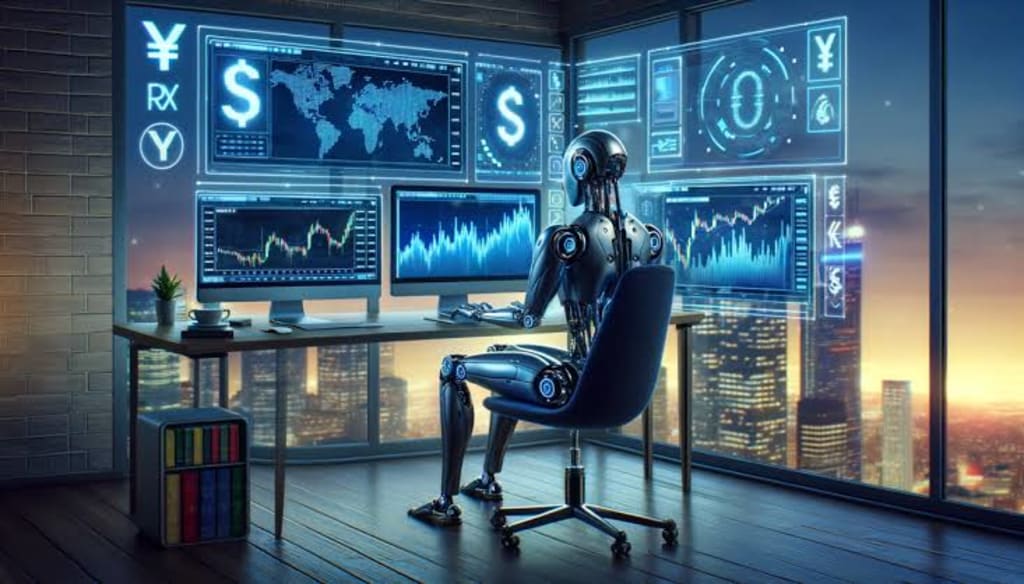
How AI Can Revolutionize Forex Trading: A Path to Consistent Wins
The foreign exchange market, commonly known as forex or FX, is one of the most dynamic and potentially profitable markets in the financial world. With daily trading volumes exceeding $6 trillion, it offers vast opportunities for traders to profit. However, forex trading is also complex, demanding, and fraught with risks. Enter Artificial Intelligence (AI)—a transformative technology that is reshaping the landscape of forex trading. In this article, we explore how AI can empower traders to achieve consistent wins, potentially attracting millions of enthusiastic participants to this exciting market.
The Complexity of Forex Trading
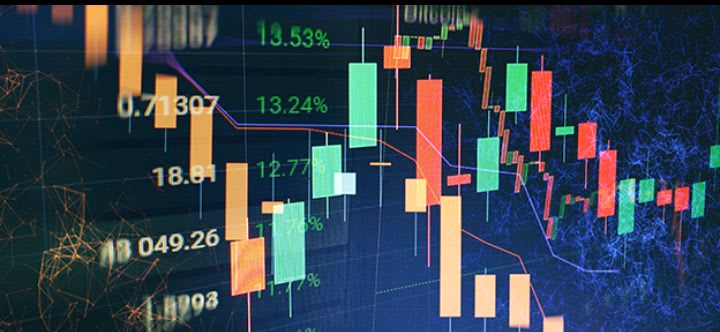
Forex trading involves buying and selling currency pairs, such as EUR/USD or GBP/JPY, with the aim of profiting from fluctuations in exchange rates. Unlike stock markets, forex operates 24 hours a day, five days a week, across different time zones. This continuous, decentralized nature makes it challenging for traders to keep up with the rapid pace and vast amount of data generated. Successful forex trading requires meticulous analysis of economic indicators, geopolitical events, and technical patterns, which can be overwhelming for even the most experienced traders.
##The Promise of AI in Forex Trading
AI, with its ability to process vast amounts of data and identify patterns, offers a powerful solution to the complexities of forex trading. By leveraging machine learning algorithms, AI can analyze historical and real-time data, predict market movements, and execute trades with precision. Here’s how AI can help traders win more trades:
#### 1. **Data Analysis and Pattern Recognition**
One of the core strengths of AI is its capacity to analyze massive datasets quickly and accurately. In forex trading, AI algorithms can process historical price data, economic indicators, news feeds, and social media sentiment to identify patterns that human traders might miss. For example, AI can detect correlations between currency pairs, recognize recurring market conditions, and uncover hidden trends, providing traders with valuable insights to make informed decisions.
#### 2. **Predictive Analytics**
AI’s predictive analytics capabilities enable traders to forecast future market movements with a higher degree of accuracy. Machine learning models can be trained on historical data to predict price trends, volatility, and potential turning points. These predictions can help traders anticipate market shifts and position themselves advantageously. For instance, an AI-powered trading system might identify an impending breakout in a currency pair, allowing traders to enter the market before the move happens.
#### 3. **Algorithmic Trading**
Algorithmic trading, or algo-trading, involves using computer algorithms to execute trades based on predefined criteria. AI takes algo-trading to the next level by continuously learning and adapting to changing market conditions. AI-driven trading systems can execute trades at lightning speed, capitalize on micro-opportunities, and minimize human error. This automation reduces emotional bias, ensures consistency, and enhances the overall efficiency of trading strategies.
#### 4. **Risk Management**
Effective risk management is crucial in forex trading, where losses can mount quickly. AI can help traders manage risk by setting stop-loss orders, adjusting position sizes, and diversifying portfolios based on real-time data analysis. AI algorithms can also monitor market conditions and adjust trading strategies dynamically, reducing exposure to adverse market movements. By employing AI-driven risk management tools, traders can protect their capital and enhance long-term profitability.
#### 5. **Sentiment Analysis**
Market sentiment, influenced by news, social media, and economic events, plays a significant role in forex trading. AI-powered sentiment analysis tools can gauge the overall mood of the market by analyzing text data from news articles, tweets, and financial reports. Understanding market sentiment can help traders anticipate short-term price movements and make timely decisions. For example, if AI detects a surge in positive sentiment towards a particular currency, traders might consider taking a long position.
### Real-World Applications of AI in Forex Trading
Several fintech companies and trading platforms are already harnessing the power of AI to enhance their forex trading offerings. Here are a few notable examples:
#### 1. **Hedge Funds and Institutional Traders**
Leading hedge funds and institutional traders have been early adopters of AI in forex trading. These entities leverage AI to analyze vast datasets, develop sophisticated trading models, and execute high-frequency trades. By using AI, they gain a competitive edge, achieve superior returns, and manage risks more effectively.
#### 2. **Retail Trading Platforms**
Retail trading platforms are increasingly incorporating AI-driven tools to empower individual traders. These platforms offer AI-powered trading signals, automated trading bots, and risk management features that enable retail traders to compete with institutional players. By democratizing access to advanced trading technologies, AI is leveling the playing field for retail traders.
#### 3. **Proprietary Trading Firms**
Proprietary trading firms, which trade their own capital, are also leveraging AI to develop proprietary trading strategies. These firms use AI to identify arbitrage opportunities, optimize trade execution, and enhance overall trading performance. The ability of AI to process real-time data and adapt to changing market conditions is particularly valuable for proprietary trading firms seeking to maximize profits.
### The Future of AI in Forex Trading
As AI technology continues to advance, its impact on forex trading is expected to grow exponentially. Here are some trends and developments to watch for:
#### 1. **Improved AI Models**
Ongoing research in machine learning and AI is leading to the development of more sophisticated models with enhanced predictive capabilities. These models will be able to analyze even larger datasets, incorporate new data sources, and deliver more accurate forecasts.
#### 2. **Integration with Blockchain**
The integration of AI with blockchain technology has the potential to revolutionize forex trading further. Blockchain can provide transparent, immutable records of transactions, enhancing trust and security in the trading process. AI algorithms can leverage blockchain data to gain deeper insights into market behavior and improve trading strategies.
#### 3. **Enhanced User Experience**
AI-powered trading platforms are focusing on improving the user experience by offering intuitive interfaces, personalized insights, and real-time analytics. As AI becomes more accessible, even novice traders will be able to harness its power to make informed trading decisions.
#### 4. **Ethical and Regulatory Considerations**
As AI-driven trading becomes more prevalent, ethical and regulatory considerations will come to the forefront. Ensuring transparency, accountability, and fairness in AI algorithms will be essential to maintaining trust in the financial markets. Regulatory bodies are likely to establish guidelines for the use of AI in trading to protect investors and ensure market stability.
### Conclusion
AI is transforming forex trading by providing traders with powerful tools to analyze data, predict market movements, and execute trades with precision. By leveraging AI, traders can gain a competitive edge, manage risks effectively, and achieve consistent wins. The democratization of AI technology is making advanced trading capabilities accessible to retail traders, leveling the playing field and opening up new opportunities in the forex market. As AI continues to evolve, its impact on forex trading will only grow, making it an indispensable asset for traders seeking success in the fast-paced world of forex.
Embrace the power of AI in your forex trading journey, and you might just find yourself part of a new wave of successful traders riding the crest of technological innovation.
About the Creator
Keep reading
More stories from writers in Chapters and other communities.
Top tipple tricks
Been thinking a lot about drinking, lately. Not least because of a recent episode of over-indulgence and the inevitable after effects. Some readers may recall the earlier articles I wrote about beating the booze. Here I set out an experiment in techniques for cutting down on my alcohol intake. The experiment was successful, the techniques worked, and I have armed myself with an arsenal of weapons in the war against the demon drink. I have yet to fire the first round however. It's all a question of timing (perhaps procrastination).
By Raymond G. Taylora day ago in Psyche
Silken Chains
Silhouettes of the female form were given flesh and bone. Silken skin glistened under the spotlight. Dry ice rose around our Icons as they danced atop their podiums in the Square. Heralded for their beauty, their movements were slight, powerful, and sensual.
By Paul Stewart4 days ago in Fiction




Comments (2)
Thanks
Nice article