
21 Ways to Decrease Website Bounce Rate
Website Bounce Rate

21 Ways to Decrease Website Bounce Rate
In the digital landscape, a high bounce rate can be a significant concern for website owners and marketers alike. A bounce occurs when a visitor leaves your site after viewing only one page, indicating that they did not find what they were looking for or were not engaged enough to explore further. Reducing your bounce rate is crucial for improving user experience, increasing conversions, and enhancing your site's overall performance. Here are 21 effective strategies to help you decrease your website's bounce rate.
1. Improve Page Load Speed
One of the primary reasons visitors leave a site is slow loading times. Optimize your website’s performance by compressing images, leveraging browser caching, and minimizing HTTP requests. Tools like Google PageSpeed Insights can help identify areas for improvement.
2. Optimize for Mobile Devices
With an increasing number of users accessing websites via mobile devices, ensure your site is mobile-friendly. Use responsive design to provide a seamless experience across all devices, which can significantly reduce bounce rates.
3. Create Compelling Content
Engaging, high-quality content is key to keeping visitors on your site. Focus on providing valuable information that addresses your audience's needs and interests. Use clear headings, bullet points, and visuals to enhance readability.
4. Use Clear Calls to Action (CTAs)
Guide your visitors on what to do next with clear and compelling CTAs. Whether it’s signing up for a newsletter, downloading a resource, or exploring more content, effective CTAs can encourage users to stay on your site longer.
5. Enhance User Experience (UX)
A well-designed website with intuitive navigation can significantly improve user experience. Ensure that your site is easy to navigate, with a logical structure and clear pathways to other content.
6. Utilize Internal Linking
Encourage visitors to explore more of your site by using internal links within your content. This not only helps reduce bounce rates but also improves SEO by distributing page authority throughout your site.
7 Optimize Your Headlines
Your headlines are the first impression visitors have of your content. Craft attention-grabbing headlines that accurately reflect the content and entice users to read further.
8. Use Engaging Visuals
Incorporate images, videos, infographics, and other visual elements to make your content more engaging. Visuals can help break up text and keep visitors interested in your content.
9. Implement Exit-Intent Popups
Exit-intent popups can capture the attention of users who are about to leave your site. Offer them a discount, a free resource, or an opportunity to subscribe to your newsletter to encourage them to stay.
10. Reduce Distractions
Minimize distractions on your website, such as excessive ads or popups that can overwhelm visitors. A clean, focused design helps users concentrate on your content and encourages them to explore further.
11. Target the Right Audience
Ensure that your marketing efforts are reaching the right audience. Use targeted keywords and demographics to attract visitors who are genuinely interested in your content, products, or services.
12. Provide Social Proof
Incorporate testimonials, reviews, and case studies to build trust with your audience. Social proof can reassure visitors that they are making the right choice by staying on your site.
13. Use A/B Testing
Experiment with different layouts, content, and CTAs through A/B testing. Analyzing user behavior can help you identify what resonates best with your audience and optimize your site accordingly.
14. Create a Clear Value Proposition
Clearly communicate the value of your content or offerings. Visitors should immediately understand what they will gain by staying on your site, whether it’s knowledge, entertainment, or a solution to their problem.
15. Optimize for Search Engines
Ensure your website is optimized for search engines to attract relevant traffic. Use appropriate keywords, meta tags, and descriptions to improve your visibility and attract users who are more likely to engage with your content.
16. Monitor Analytics
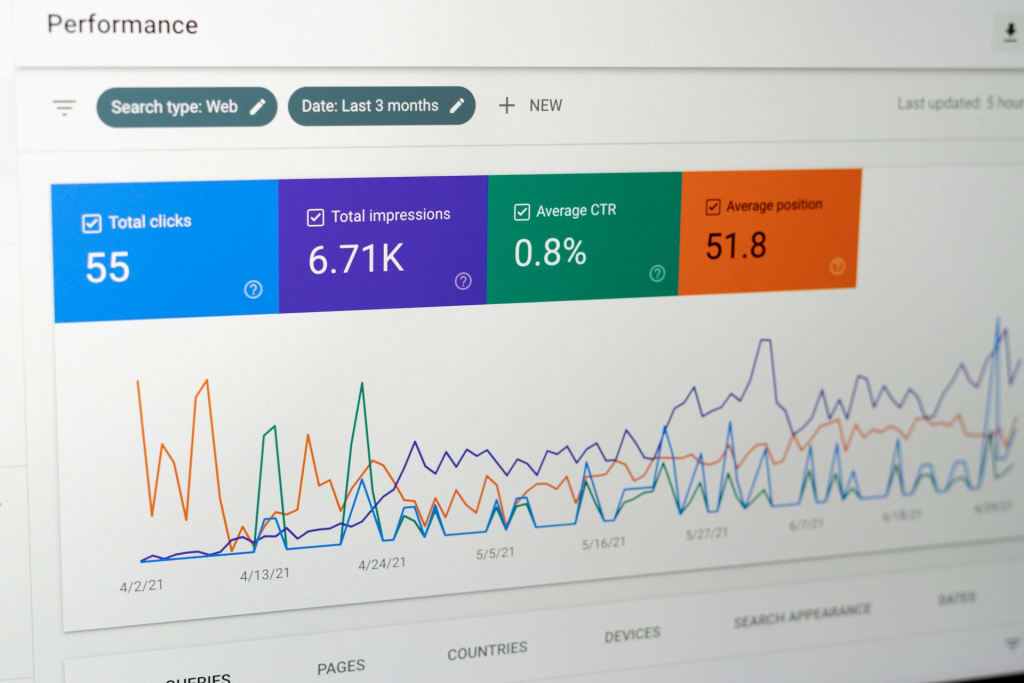
Regularly review your website analytics to identify pages with high bounce rates. Understanding user behavior can help you pinpoint issues and make necessary adjustments to improve engagement.
17. Offer Related Content
At the end of your articles or pages, suggest related content that visitors might find interesting. This encourages them to continue exploring your site rather than leaving after viewing a single page.
18. Use a Clean and Professional Design
A visually appealing and professional design can instill confidence in your visitors. Ensure that your website reflects your brand identity and is aesthetically pleasing to encourage users to stay.
19. Provide Easy Access to Contact Information
Make it easy for visitors to contact you if they have questions or need assistance. A visible contact page or chat feature can enhance user experience and reduce bounce rates.
20. Leverage User-Generated Content
Encourage user-generated content, such as comments, reviews, or forum discussions. This not only fosters community engagement but also keeps visitors on your site longer.
21. Regularly Update Content
Keep your content fresh and relevant by regularly updating it. Outdated information can lead to higher bounce rates, so ensure that your site reflects the latest trends and insights in your industry.
Conclusion
Reducing your website's bounce rate is an ongoing process that requires attention to detail and a commitment to improving user experience. By implementing these 21 strategies, you can create a more engaging and user-friendly website that encourages visitors to explore further, ultimately leading to higher conversions and a more successful online presence. Remember, the key is to understand your audience and continuously adapt your approach based on their needs and behaviors.Start writing here..
About the Creator
Search for a Sister, Chapter Two
4-H-N heard not a word about her secret mission around Headquarters over the following days, so had to conclude either Mini-Flash Phytolith hadn’t been listening in after all, or she’d misjudged him. She hoped it was the latter, as she wanted the pair of them to get on, even if he wasn’t going out of his way to make it easy for her.
By Doc Sherwood20 days ago in Chapters
Kia Ford: The Hammer Girl's English Premiere Production
Waking up, Kia Ford dispensed any relegation threats, collecting her thoughts, thinking through the sensitive situation, conjuring excuses. “Sometimes you need a little drama,” the hammer girl, worked internal defense mechanism skills, “honestly, unknown result fears could provide, exciting product and energy.”
By Marc OBrien2 days ago in Chapters



Comments
There are no comments for this story
Be the first to respond and start the conversation.