
Why So Many Different Civilizations Built Pyramids
Pyramids are one of the most iconic and enduring architectural structures in history,
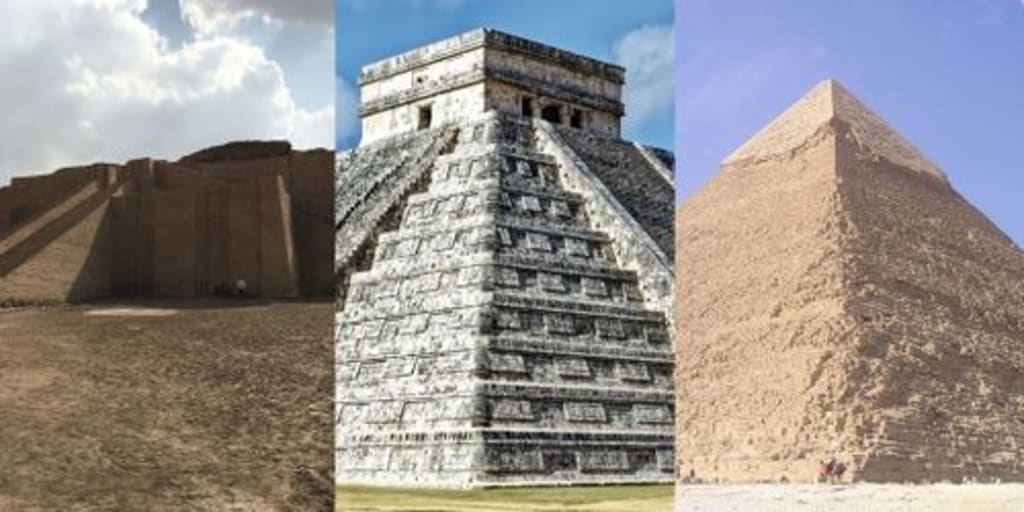
they have been built by civilizations across the world. From the ancient Egyptians in Africa to the Maya in Central America, many different cultures have constructed these impressive monuments. But why did so many different civilizations build pyramids?
One of the main reasons for the construction of pyramids is religious or spiritual beliefs. In many ancient cultures, such as the Egyptians and the Maya, these structures were built as tombs for their rulers or as platforms for religious ceremonies and rituals. The shape of the pyramid was often associated with the sun or other celestial bodies, symbolizing the connection between the ruler and the divine.
Another reason for building pyramids was to showcase the power and wealth of a civilization. The construction of these massive monuments required a large workforce and vast resources, so building a pyramid was a way for rulers to demonstrate their authority and control over their subjects. The size and grandeur of a pyramid served as a symbol of prestige and power for the ruling elite.
Pyramids were also built for practical purposes, such as serving as astronomical observatories or as markers for important geographic locations. In some cases, pyramids were used as fortresses or defensive structures to protect against enemy invasions.
Additionally, the construction of pyramids served as a unifying project for a civilization, bringing together people from different social classes and regions to work towards a common goal. These monumental building projects helped foster a sense of community and identity among the people involved in their construction.
Overall, the construction of pyramids by so many different civilizations can be attributed to a combination of religious, political, social, and practical reasons. These iconic structures continue to fascinate and intrigue us today, serving as a reminder of the ingenuity and creativity of ancient cultures across the globe.
About the Creator
Keep reading
More stories from writers in BookClub and other communities.
Rachel Reviews: The Spiral Archive by Pieter Hendrik
It's difficult for me to know where to start with a review of this book as it was, for me, an entirely unique experience and one that I'll probably never have again. I don't want that to be interpreted as unenjoyable but it has left me scratching my head a little and ruminating on its content, its themes and its characters.
By Rachel Deeming7 days ago in BookClub
7 Books That Don't Look Powerful Until You Read Them
Books can be deceptive. A plain cover or a modest title often hides profound insights, transformative ideas, or storytelling that lingers long after the last page. Some books may not look like much on a shelf, but once opened, they change the way we think, feel, or perceive the world. Below is a list of 7 books that don't look powerful until you read them.
By Diana Meresc4 days ago in BookClub
📢 Raise Your Voice Thread: 01/22/2026
Our “Raise Your Voice Threads” are hosted most alternating Thursdays at 12PM ET to offer creators more avenues to uncover exceptional stories on Vocal. As we are continuously searching for fresh creators and inspiring stories, this thread provides an opportunity to exchange and discuss the stories that have moved and motivated us on Vocal.
By Raise Your Voice by Vocal3 days ago in Resources



Comments (1)
A provoking content.