
What Ignited The Ongoing Palestine vs Israel Conflict
The Israeli-Palestinian conflict is a deeply rooted
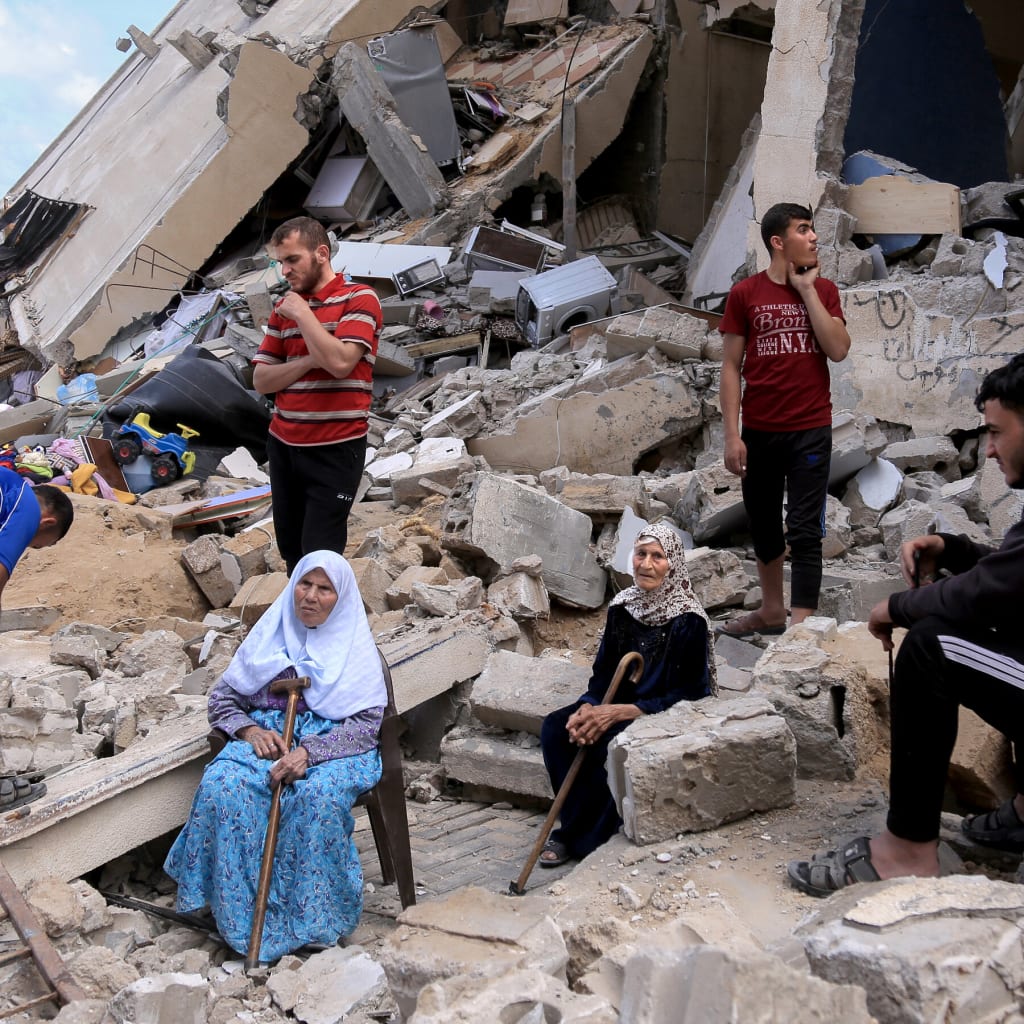
The ongoing conflict between Palestine and Israel is a complex and deeply rooted issue with a history dating back over a century. It has been characterized by a series of historical events, disputes, and political decisions. While it's impossible to cover all the nuances in a brief response, I can provide a simplified overview of some key factors that have ignited and perpetuated the conflict:
Historical Background: The conflict has its roots in the late 19th and early 20th centuries when Jewish immigration to the region, then part of the Ottoman Empire, began to increase. The Balfour Declaration in 1917, issued by the British government, expressed support for the establishment of a "national home for the Jewish people" in Palestine. This led to tensions between Jewish and Arab communities in the region.
Partition and Creation of Israel: After World War II, in 1947, the United Nations passed a resolution to partition Palestine into separate Jewish and Arab states, with Jerusalem as an international city. Israel declared its independence in 1948. This led to a war with neighboring Arab states, resulting in Israel's expansion and the displacement of hundreds of thousands of Palestinian Arabs.
Displacement and Refugees: The Nakba, or "catastrophe," refers to the displacement of hundreds of thousands of Palestinians during and after the 1948 Arab-Israeli war. Many Palestinians became refugees and still await a resolution to their refugee status.
Occupation of Territories: The Six-Day War in 1967 led to the Israeli occupation of the West Bank, Gaza Strip, East Jerusalem, and the Golan Heights. The occupation, which continues today, has been a major source of tension and conflict.
Settlements: Israel's construction of Jewish settlements in the occupied territories has been a major point of contention. The international community largely considers these settlements illegal, as they are seen as an obstacle to peace and a violation of international law.
Violence and Security Concerns: Periodic outbreaks of violence, including Palestinian uprisings (intifadas) and Israeli military operations, have further fueled animosity and distrust on both sides. Terrorism and rocket attacks by Palestinian militant groups and Israeli military actions have led to casualties and destruction.
Jerusalem: The status of Jerusalem is a particularly contentious issue. Both Israelis and Palestinians claim it as their capital. The city's religious and cultural significance to multiple groups adds to its complexity.
Failed Peace Negotiations: Several attempts to reach a peaceful resolution through negotiations have failed, leading to continued distrust and frustration among both Israelis and Palestinians.
The Israeli-Palestinian conflict is a deeply rooted and multifaceted issue with no quick or simple solution. It involves competing national narratives, historical grievances, issues of identity, territory, and religion. Achieving a lasting peace requires addressing the core concerns of both parties and finding a path to coexistence, which remains a formidable challenge.
About the Creator
Rachel Reviews: Lakefront Wolves by Joseph Deegan
Meet Finn. He's an 18 year old kid who has potential. He's bright with great school scores and he's also an athlete, a footballer of some prowess. He has it all going for him, it would seem, and yet, he's determined to send what could be a well-planned, stable existence firmly off the rails. He drinks, he smokes, he takes drugs, he has violent tendencies and he's in danger of losing not only his mind but all that he holds dear.
By Rachel Deeming15 days ago in BookClub
8 Books That Will Help You Discover New Possibilities
At certain moments in life, we all feel it—that quiet restlessness that whispers there must be more. Maybe it arrives during a career plateau, after a personal setback, or in the middle of a comfortable routine that suddenly feels too small. When that feeling appears, the right book can act like a key, unlocking doors we didn’t even know existed.
By Diana Meresc5 days ago in BookClub


Comments
There are no comments for this story
Be the first to respond and start the conversation.