
What I Learned from The Book of Five Rings by Miyamoto Musashi
What I Learned from The Book of Five Rings by Miyamoto Musashi

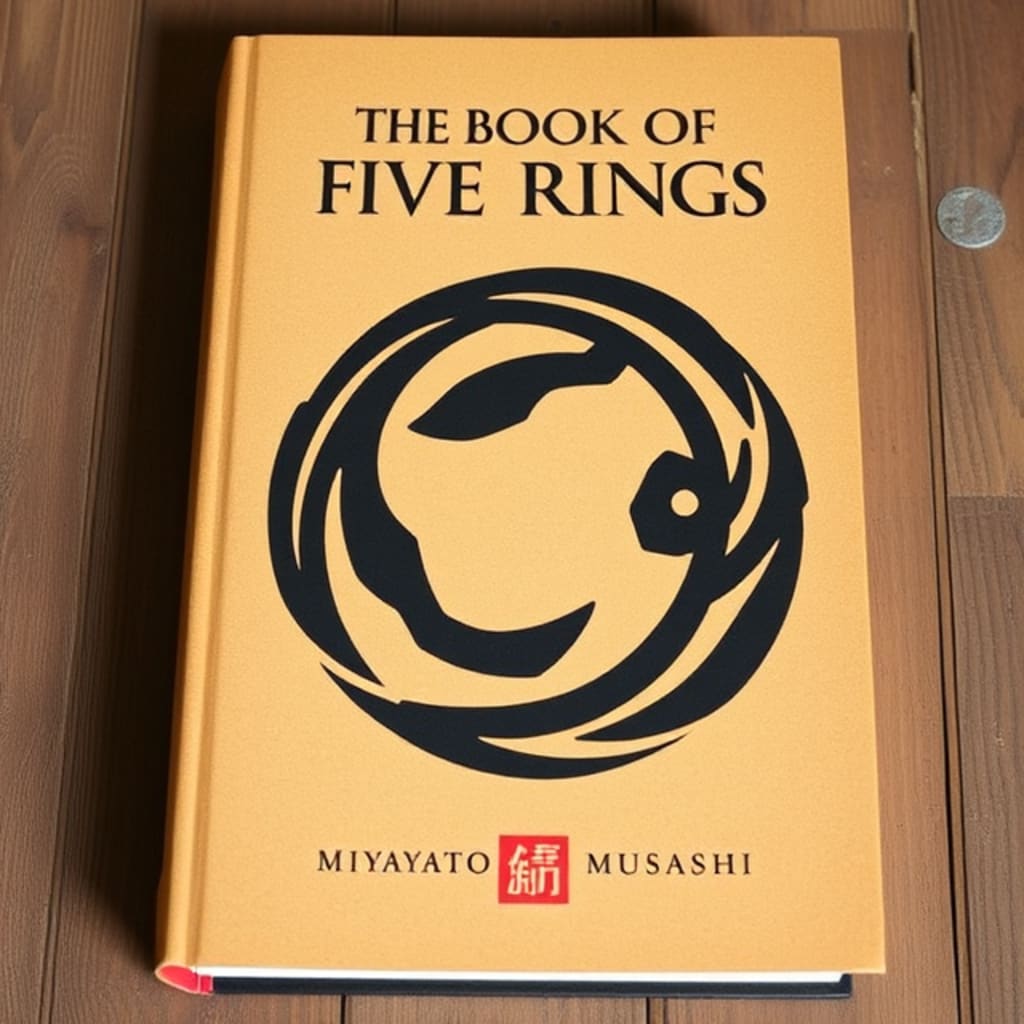
When I first picked up The Book of Five Rings by Miyamoto Musashi, I expected a text solely about swordsmanship and the samurai ethos. What I discovered instead was a profound work of philosophy that transcends martial arts, offering timeless wisdom on strategy, discipline, and the art of living. Here are the key lessons I gleaned from this masterpiece.
The Way of Strategy is Universal
Musashi’s central argument is that mastery in one field can lead to insights into others. He writes, “The Way is in training,” emphasizing that the principles of strategy apply universally—whether in combat, business, or personal growth. By immersing ourselves deeply in our chosen craft, we uncover universal truths that can be applied to all aspects of life.
For instance, the discipline required to master a musical instrument can mirror the dedication needed to lead a team or navigate challenging situations. The lesson here is to focus on the process, for the principles we internalize in one domain can ripple outward.
Embrace Adaptability
A recurring theme in the book is the importance of flexibility. Musashi warns against rigid thinking, urging us to adapt to circumstances as they arise. He compares strategy to water, which takes the shape of its container and flows around obstacles.
This lesson resonates deeply in today’s world, where change is constant. Whether dealing with a sudden career pivot or an unexpected life challenge, the ability to adapt—to shift our mindset and approach—is critical. As Musashi puts it, “You must understand that there is more than one path to the top of the mountain.”
Be Present and Aware
Musashi emphasizes the value of mindfulness, urging practitioners to remain fully present in the moment. In the heat of battle, distraction or hesitation can mean the difference between life and death. Similarly, in our daily lives, being attuned to our surroundings and aware of our emotions and thoughts can help us make better decisions and act with clarity.
In one memorable passage, he advises: “Perceive that which cannot be seen with the eye.” This speaks to developing intuition—a skill honed through deep focus and experience. It’s a reminder to look beyond the surface and understand the underlying dynamics of any situation.
Mastery is a Lifelong Journey
Musashi’s life—as a swordsman, strategist, and artist—epitomized the pursuit of mastery. He believed that the path to excellence requires relentless practice and introspection. He writes, “You can only fight the way you practice.”
This principle is a call to approach every practice session, meeting, or task with intention. There are no shortcuts to mastery, only the steady accumulation of skill through effort and reflection. By embracing this mindset, we cultivate resilience and a deeper appreciation for the journey itself.
Control Your Emotions
In the heat of combat, emotions like fear, anger, or overconfidence can cloud judgment. Musashi teaches the importance of maintaining emotional balance, writing, “Do not let your mind be swayed by external things.”
This lesson extends beyond the battlefield. Whether negotiating a deal, handling criticism, or managing conflict, staying composed allows us to act with reason rather than reacting impulsively. Emotional mastery is not about suppression but about channeling feelings productively.
Simplicity and Directness Triumph
Musashi’s strategies emphasize efficiency and clarity. He warns against overcomplicating plans or relying on fanciful techniques, advocating instead for straightforward methods that achieve the desired result.
This principle is a valuable reminder in a world often enamored with complexity. Whether crafting a business strategy or solving a personal problem, simplicity often leads to the most effective solutions.
Final Thoughts
The Book of Five Rings is far more than a manual for sword fighting; it is a guide to navigating life with discipline, adaptability, and purpose. Musashi’s insights continue to resonate because they tap into universal truths about human nature and the pursuit of excellence.
As I closed the book, I realized that its lessons had already begun to shape my mindset. By embracing adaptability, focusing on the present, and striving for mastery, we can all walk our own Way, regardless of the path we choose. The mountain may be steep, but with Musashi’s wisdom as a guide, the climb becomes a little clearer.
About the Creator
Fred Bradford
Philosophy, for me, is not just an intellectual pursuit but a way to continuously grow, question, and connect with others on a deeper level. By reflecting on ideas we challenge how we see the world and our place in it.
Keep reading
More stories from Fred Bradford and writers in BookClub and other communities.
What I Learned from The Prince by Niccolò Machiavelli
Niccolò Machiavelli’s The Prince is often cited as one of the most influential works of political theory ever written. Despite being over 500 years old, its insights into power, leadership, and human nature continue to resonate. When I first approached this text, I expected a dry treatise full of obscure advice relevant only to Renaissance politics. What I discovered, however, was a profound exploration of pragmatism, ambition, and the complexities of governing. Here’s what I learned from The Prince and how its lessons remain relevant in our modern context.
By Fred Bradfordabout a year ago in BookClub
My New Book is Finally Here
My poetry collection Beautiful and Brutal Things is done. It's actually done and finally published over 270 pages. Over a year of my life went into this book. More than a year, really. Long days at my computer, sometimes seven days a week because I couldn't stop even when I probably should have. Then two months of editing that felt harder than the writing itself. But it's finished, and I'm still standing, and the book is real.
By Tim Carmichael2 days ago in BookClub




Comments
There are no comments for this story
Be the first to respond and start the conversation.