
What I Learned from Rich Dad Poor Dad by Robert Kiyosaki
What I Learned from Rich Dad Poor Dad by Robert Kiyosaki

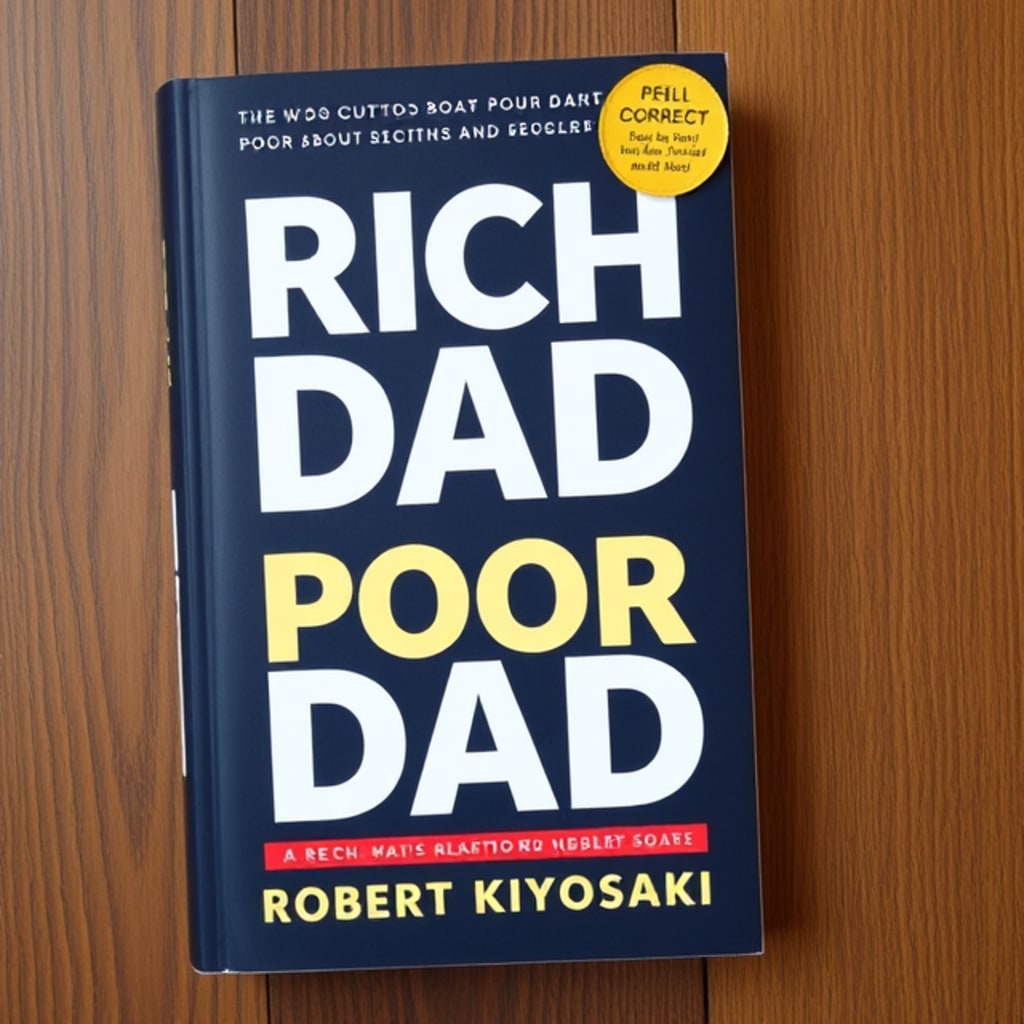
Robert Kiyosaki’s Rich Dad Poor Dad is more than just a book; it’s a transformative lens through which to view money, wealth, and the role of financial education in our lives. The book introduces two father figures—the author’s "poor dad" (his biological father) and "rich dad" (his best friend’s father)—who represent two starkly different approaches to money and success. Reading this book changed the way I think about finances, work, and personal growth. Here are the key lessons I’ve taken away.
The Importance of Financial Education
One of the central messages of the book is that traditional education often fails to teach us how to handle money. Kiyosaki’s "poor dad," despite being highly educated and holding a stable government job, struggled financially. In contrast, his "rich dad," who had far less formal education, built wealth through entrepreneurship and smart investments.
The takeaway? Financial education isn’t about degrees or academic accolades; it’s about understanding how money works. This includes learning about concepts like cash flow, assets, liabilities, and investments.
Key realization: Schools teach us how to earn a paycheck but rarely how to grow it. Taking responsibility for your financial education is crucial for building wealth.
The Difference Between Assets and Liabilities
Kiyosaki’s distinction between assets and liabilities is one of the book’s most profound lessons. He explains that assets put money in your pocket, while liabilities take money out. For instance, a car or a large home might feel like an asset, but if they’re costing you more than they’re making you, they’re actually liabilities.
Practical insight: I started evaluating my financial decisions differently. I began asking, “Is this purchase going to generate income or drain my resources?” This shift in perspective has helped me prioritize investing in assets, like stocks, rental properties, or businesses, over liabilities.
The Power of Passive Income
One of the most eye-opening ideas in Rich Dad Poor Dad is the concept of passive income. Kiyosaki emphasizes the importance of creating income streams that don’t rely on active labor. This could mean earning money from investments, real estate, royalties, or businesses that operate without constant involvement.
The goal isn’t just to work harder but to work smarter. Passive income provides financial freedom, allowing you to focus on what truly matters in life—whether that’s family, hobbies, or giving back to the community.
Personal takeaway: I realized that relying solely on a 9-to-5 job limits my financial potential. Building streams of passive income has become a key part of my financial strategy.
Overcoming the Fear of Failure
Kiyosaki’s rich dad taught him that failure is a stepping stone to success. Many people let fear—especially the fear of losing money—prevent them from taking risks. However, Kiyosaki argues that every failure teaches a valuable lesson and brings you closer to success.
This mindset shift has been pivotal for me. Instead of fearing failure, I now see it as an opportunity to learn and grow. Whether it’s trying a new investment strategy or starting a side hustle, the key is to take action and learn from the outcomes.
The Need for a Growth Mindset
Kiyosaki’s "rich dad" embodies a growth mindset—the belief that skills and intelligence can be developed with effort and persistence. He encourages thinking big and finding creative solutions to financial challenges.
Rich Dad Poor Dad challenges readers to break free from limiting beliefs about money. For example, instead of saying, “I can’t afford it,” ask, “How can I afford it?” This simple shift in language opens up possibilities and encourages resourcefulness.
The Value of Entrepreneurship
Unlike "poor dad," who believed in job security, "rich dad" emphasized the importance of entrepreneurship and taking control of one’s financial future. Owning a business, Kiyosaki explains, provides opportunities for growth, wealth creation, and independence.
While entrepreneurship isn’t for everyone, the underlying principle is universal: Don’t depend solely on a single source of income. Diversify your income streams and consider how you can leverage your skills to create value for others.
Make Your Money Work for You
Perhaps the most iconic lesson from Rich Dad Poor Dad is the idea of making your money work for you, rather than working for money. Kiyosaki highlights the importance of investing wisely and allowing your money to grow through compounding.
This concept has reshaped how I view savings and investments. Instead of letting my money sit idle in a low-interest savings account, I’ve started exploring avenues like index funds, dividend stocks, and real estate to grow my wealth over time.
Final Thoughts
Rich Dad Poor Dad isn’t just a book about personal finance; it’s a guide to reshaping your mindset about money and life. The lessons I’ve learned have inspired me to prioritize financial education, seek passive income, and adopt a growth-oriented mindset. Most importantly, it’s taught me that financial freedom is achievable for anyone willing to learn, take risks, and think outside the box.
While not all of Kiyosaki’s advice may resonate with everyone, the core principles of the book—financial literacy, asset building, and entrepreneurship—are universally empowering. If you haven’t read Rich Dad Poor Dad yet, I highly recommend it. It might just change the way you think about money forever.
About the Creator
Fred Bradford
Philosophy, for me, is not just an intellectual pursuit but a way to continuously grow, question, and connect with others on a deeper level. By reflecting on ideas we challenge how we see the world and our place in it.
Keep reading
More stories from Fred Bradford and writers in BookClub and other communities.
What I Learned from Think and Grow Rich by Napoleon Hill
Napoleon Hill’s Think and Grow Rich is a timeless classic that has influenced countless entrepreneurs, thinkers, and leaders. Published in 1937, the book goes beyond the pursuit of financial wealth, offering profound insights into success, mindset, and self-mastery. Here are the key lessons I learned from this groundbreaking work and how they continue to resonate in my life.
By Fred Bradford12 months ago in BookClub
Feast & Folklore: Autumn Recipes with a Story
Welcome to The Chapter Café, where stories simmer, flavors mingle, and every book is served with a side of imagination. Today’s menu? Cookbooks—the kind that leave grease stains on the margins and breadcrumbs in the binding. You know the ones: well-loved, well-used, and maybe even a little chewed on by time (or a curious pet).
By Kristen Barenthaler2 days ago in BookClub




Comments
There are no comments for this story
Be the first to respond and start the conversation.