
What are Paperback Books and How They Differ from Hardcovers
What are Paperback Books
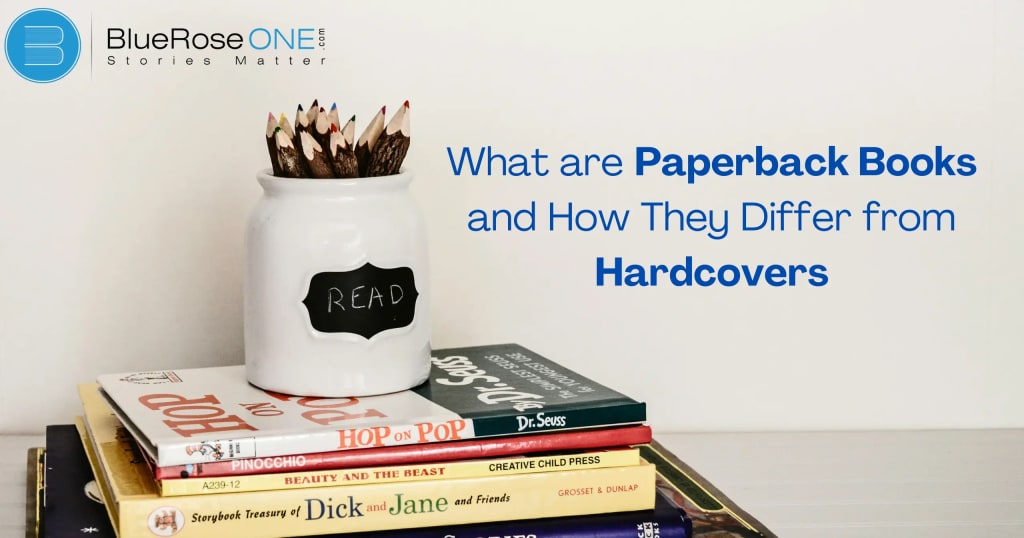
In the literary world, paperback books are a mainstay because they provide readers of all ages with a flexible and reasonably priced option. These books, distinguished by their pliable paper covers, have completely changed how we can access and appreciate literature.
However, what precisely is a paperback book, and why has this format grown so widely used? We’ll explore the varieties, benefits, history, and future of paperback books in this post, giving you a thorough overview of this well-liked book format.
History of Paperback Books
The concept of paperback books dates back to the 19th century, but it wasn’t until the 1930s that they gained significant popularity. Penguin Books, founded in 1935, is often credited with pioneering the modern paperback book.
Their mission was to make high-quality literature affordable and accessible to the masses. This innovation transformed the publishing industry, leading to an explosion of titles available in the convenient paperback format.
Differences Between Paperback and Hardcover Books
Physical Differences
When it comes to books, paperbacks are more flexible and lighter than hardcovers. A paperback’s cover is typically composed of thick paper or cardboard, which makes it more portable and simpler to stuff into bags.
Hardcover books, on the other hand, are more durable due to their stiff cover, which is typically composed of cardboard that has been wrapped with fabric, leather, or plastic. Hardcover books are thicker and less portable than paperback books because of this durability.
Price Comparison
Paperback books are typically less expensive than hardback books when comparing pricing. The materials and production methods used have an impact on this pricing differential. Paperback books are less expensive to create because they have flexible, less expensive covers.
Hardcover books, on the other hand, have more expensive manufacture because of their sturdy, stiff covers. Paperbacks are frequently the go-to option for readers looking for affordable publications.
Durability
When it comes to durability, hardcover books outshine paperback books. Hardcover books feature sturdy covers and strong bindings that protect the pages, making them last longer, even with frequent use.
In contrast, paperback books have flexible, thin covers that are more prone to damage like bending and tearing. Therefore, while paperback books are lighter and more affordable, hardcovers are a better choice for those seeking longevity.
Types of Paperback Books
Mass Market Paperbacks
One popular category of paperback books are mass market paperbacks. They are made to be widely distributed, more reasonably priced, and smaller.
These novels, which are frequently accessible at pharmacies, supermarkets, and airports, are ideal for casual readers seeking a short and easy read. Mass market paperbacks are an affordable option for many readers because they have the same storylines and material as their larger versions, yet being priced lower.
Trade Paperback
Trade paperbacks are a popular type of paperback books known for their larger size and higher quality compared to mass-market paperbacks. Typically measuring around 6×9 inches, they often featured better paper and printing, making them more durable and visually appealing.
Trade paperbacks are a favorite for readers who want a balance between the affordability of paperbacks and the quality of hardcovers, offering a great reading experience without the higher cost.
Advantages of Paperback Books
Affordability: The low cost of paperback books is one of its key benefits. Paperback books are typically less expensive to make and buy than hardback versions.
Because of this, they are an affordable choice for consumers who wish to read more books without going over their budget. Paperback books are less expensive, which allows publishers and writers to reach a larger readership and make reading more affordable for everybody.
Portability: Books in paperback are renowned for being portable. They are easier to take around because they are more flexible and lighter than hardcovers.
Thanks to this ease, readers may read their favorite novels wherever they are at home, on vacation, or even on the commute. Paperback novels are the perfect option for readers on the road because of their small size, which makes them easy to fit into bags and backpacks.
Ease of Use: Paperback books are known for their ease of use. Their flexible covers make them lightweight and easy to handle, perfect for reading on the go. You can effortlessly carry a paperback book in your bag or backpack without adding much weight.
This convenience makes paperback books an excellent choice for daily commutes, travel, or simply reading in bed. Their practical design ensures that readers can enjoy their books anywhere, anytime.....Continue reading
About the Creator
Keep reading
More stories from Blueroseone and writers in BookClub and other communities.
How to Become a Book Editor
Ever wonder who crafts the novels we read into well-crafted works of art? That’s what editors of books do! They are essential to the publishing industry because they make sure that every book is readable, interesting, and free of errors.
By Blueroseone2 years ago in BookClub
Rachel Reviews: Lakefront Wolves by Joseph Deegan
Meet Finn. He's an 18 year old kid who has potential. He's bright with great school scores and he's also an athlete, a footballer of some prowess. He has it all going for him, it would seem, and yet, he's determined to send what could be a well-planned, stable existence firmly off the rails. He drinks, he smokes, he takes drugs, he has violent tendencies and he's in danger of losing not only his mind but all that he holds dear.
By Rachel Deeming11 days ago in BookClub
Julius Evola
The Enigmatic Mind of Julius Evola Twentieth century intellectual history contains a number of figures whose writings continue to provoke debate long after the surrounding political and cultural conditions have faded into the past. Among the most unusual and controversial of these figures stands Julius Evola, an Italian thinker whose work moves across an extraordinary range of intellectual territory. Philosophical reflection, esoteric speculation, cultural criticism, political theory, and comparative religion appear side by side throughout a body of work that resists easy classification.
By Marcus Hedare6 days ago in BookClub
A System That Isn’t Working Challenge Winners
Systems promise order. They organize behavior, distribute opportunity, and suggest that if everyone follows the rules, things will work. The entries in A System That Isn’t Working look closely at what happens when that promise begins to slip.
By Vocal Curation Teama day ago in Resources



Comments
There are no comments for this story
Be the first to respond and start the conversation.