
Unveiling the Magic of Raki: The Elixir of Friendship and Joy!
Discover the Secrets Behind Raki, the Mediterranean's Beloved 'Lion's Milk

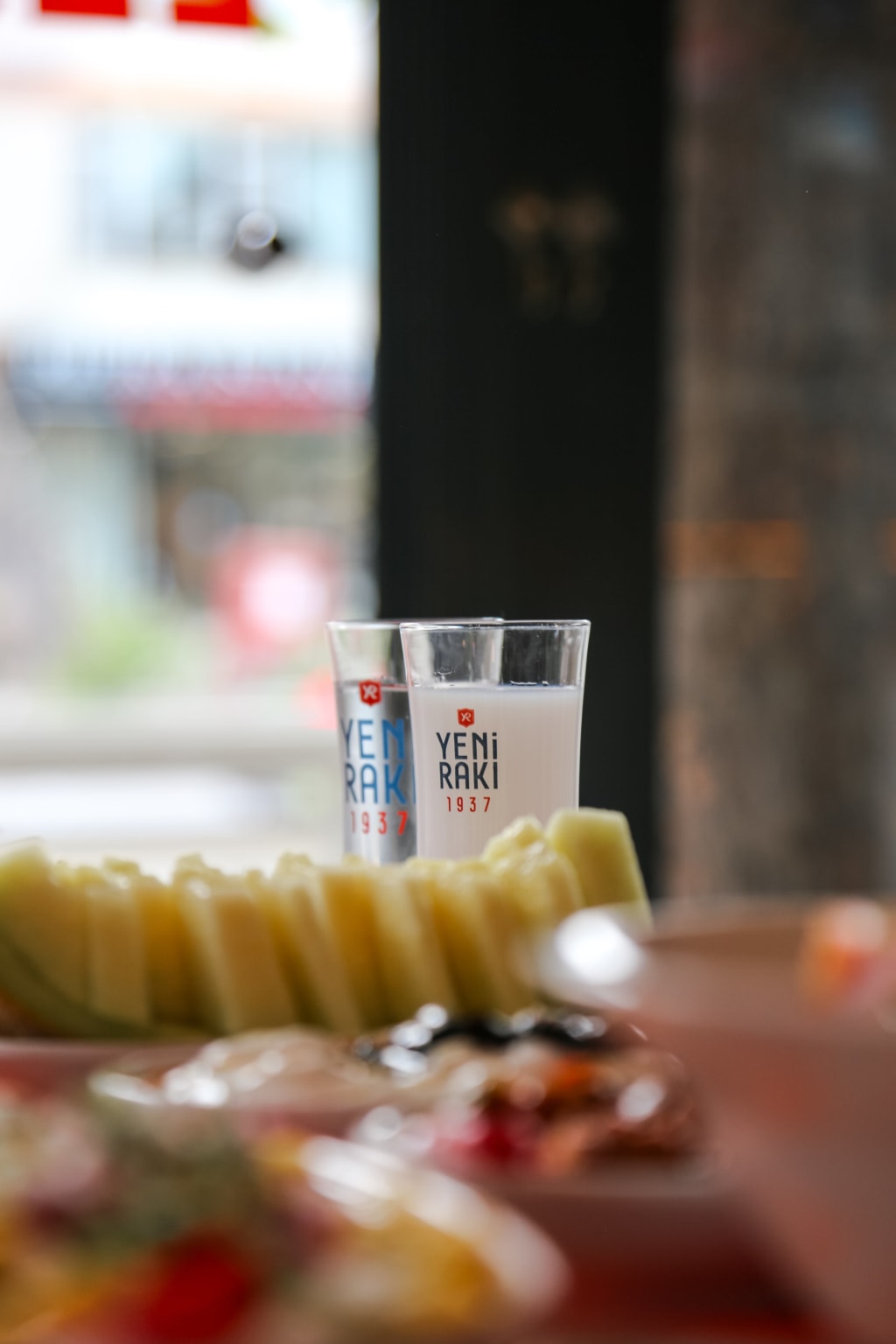
Raki and the Art of the Raki Table: A Culinary and Cultural Delight
Raki, often dubbed the "lion's milk," is a beloved and iconic spirit in Turkey and parts of the Mediterranean. This anise-flavored liqueur holds a special place in the hearts and glasses of those who appreciate its unique taste and the tradition of the Raki table.
The Elixir of Friendship: Raki
Raki is a clear alcoholic beverage that turns milky-white when mixed with water, hence the nickname "lion's milk." It is made from distilled grapes or other fruits and flavored with aniseed. The key to enjoying Raki is the slow and communal process of drinking it, often accompanied by meze, which are small dishes of various appetizers.
In Turkey, Greece, Cyprus, and parts of the Balkans, Raki holds a revered status. It is the spirit of togetherness, symbolizing friendship, and shared moments. Raki is not merely a drink; it's an experience, a ritual, and a cultural phenomenon.
The Art of the Raki Table
At the heart of Raki culture lies the Raki table, an intricate and joyful social gathering. The Raki table isn't just a place to enjoy a drink; it's a centerpiece for laughter, storytelling, and connecting with loved ones. The art of the Raki table is as much about the ambiance as it is about the cuisine and drink.
1. The Setting
A typical Raki table is set outdoors, often by the seaside, where the view of the water and the cool breeze enhance the experience. The table is draped with crisp white linens, and comfortable chairs or cushions are provided for guests.
2. The Food
The meze are an essential part of the Raki table. These small dishes include a variety of items, such as olives, cheese, fresh vegetables, seafood, and a myriad of dips and spreads. The goal is to create a diverse spread that complements the flavors of Raki.
3. The Ritual
Raki is not meant to be consumed hastily. The traditional way to drink it is to add water to the glass slowly, which creates the signature "louche" or milky-white appearance. It's common for guests to make toasts, share stories, and take their time savoring each glass. The process is as important as the drink itself.
4. The Conversation
The Raki table is a place of animated conversation. Friends and family gather, discuss current events, share anecdotes, and enjoy each other's company. The atmosphere is festive, and the mood is light.
5. The Music
Live music, often featuring traditional instruments like the bouzouki in Greece or the baglama in Turkey, adds an extra layer of enjoyment. Singing, dancing, and clapping are not uncommon, turning the Raki table into a joyful celebration.
6. The Closure
As the evening progresses, the Raki table may continue for hours, but eventually, it comes to a close. Guests usually end the evening with a dessert or a final toast, sealing the memories of a beautiful gathering.
The Universal Appeal of the Raki Table
The Raki table is more than just a dining experience; it's a cultural phenomenon that embodies the warmth, togetherness, and joy of Mediterranean and Balkan societies. It's a way to celebrate the simple pleasures of life, the bonds of friendship, and the richness of culture.
Whether you're sipping Raki by the Aegean Sea in Turkey, the Mediterranean coast of Greece, or the cobbled streets of Cyprus, the Raki table will welcome you with open arms and an invitation to savor the moment. It's a beautiful tradition that transcends borders and brings people together, one glass at a time.
About the Creator
Keep reading
More stories from engin olmez and writers in BookClub and other communities.
The Gift of Dia de Muertos: Potee's Journey of Love and Unity
In the heart of a colorful Mexican town, where traditions and vibrant celebrations were a way of life, Dia de Muertos, the Day of the Dead, was a time of remembrance and festivities. The air was filled with the scent of marigold flowers and the lively tunes of mariachi bands, as families prepared to honor their dearly departed.
By engin olmez2 years ago in BookClub
My New Book is Finally Here
My poetry collection Beautiful and Brutal Things is done. It's actually done and finally published over 270 pages. Over a year of my life went into this book. More than a year, really. Long days at my computer, sometimes seven days a week because I couldn't stop even when I probably should have. Then two months of editing that felt harder than the writing itself. But it's finished, and I'm still standing, and the book is real.
By Tim Carmichael2 days ago in BookClub
7 Dystopian Books You Must Read In 2026
In an era where society constantly wrestles with technological advances, political unrest, and environmental crises, dystopian literature offers a mirror to our present and a cautionary glimpse of the future. These books are more than just stories—they challenge our beliefs, provoke critical thinking, and explore the fragility of civilization. Below is a list of 7 dystopian books you must read in 2026.
By Diana Meresc6 days ago in BookClub




Comments
There are no comments for this story
Be the first to respond and start the conversation.