
To Kill a Mockingbird: Illuminating Hearts and Minds through Transformation
A Literary Journey

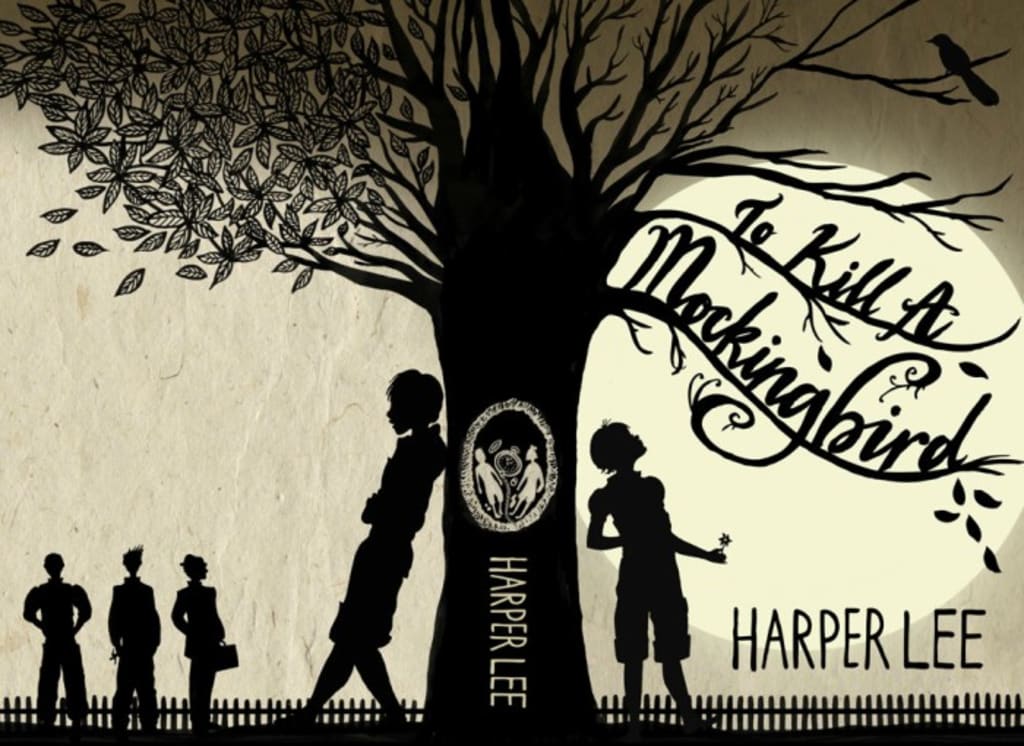
In the realm of literature, there exists a rare breed of book that transcends its pages to touch the depths of our souls, leaving an indelible mark that lingers long after the final sentence. Harper Lee's masterpiece, "To Kill a Mockingbird," is undeniably one such treasure—a work that beckons readers with its eloquence and captivates them with its narrative prowess, only to ultimately stir a profound transformation within. Published in 1960, this novel isn't merely a story; it's an experience—an emotional journey that unveils the complexities of humanity, challenges our perceptions, and invites us to confront the shadows within ourselves. For me, "To Kill a Mockingbird" was more than a book; it was a guide through the labyrinth of life, a mirror reflecting my own growth, and a beacon of hope that continues to illuminate my path.
Symphony of Transformation
Picture a world where pages turn into portals, where stories evolve into mirrors of our existence. "To Kill a Mockingbird" is that kind of book, a symphony of words that resonates within the chambers of our hearts. Its opening notes seduce readers with the promise of an immersive narrative, but its lasting impact lies in the echoes of its melodies, the melodies of empathy, courage, and change.
Maycomb's Tapestry: A Canvas of Humanity
From the moment I stepped into the town of Maycomb, Alabama, the novel's setting, I was drawn into a tapestry woven from threads of memory and revelation. Through Scout Finch's eyes, I navigated the layers of a small Southern community, where neighbors knew each other's stories and prejudices were as commonplace as the afternoon sun. Maycomb emerged as more than a backdrop; it was a living entity—a reflection of societal norms, flawed yet familiar.
Atticus Finch: The Moral Compass
At the heart of this tapestry stood Atticus Finch—a beacon of morality and empathy. As a single father and an honorable lawyer, Atticus's character resonated deeply with me. His decision to defend Tom Robinson, a Black man wrongly accused of raping a white woman, was more than an act of legal duty; it was a testament to the power of standing for what is just, despite the odds. Atticus became not just a character, but a guiding light—an embodiment of values that transcend time.
Empathy Unveiled: Lessons in Compassion
Scout, Jem, and Dill—the children who journeyed through "To Kill a Mockingbird"—became my companions on a transformative expedition. Their explorations of Boo Radley's enigmatic life and their gradual understanding of the complexities of human nature were poignant reminders of the importance of empathy. As I walked alongside them, I realized that true understanding requires shedding preconceptions and embracing the stories that lie beneath the surface.
Innocence and Injustice: The Mockingbird's Song
The metaphor of the mockingbird wove itself into the novel's fabric, carrying a message that resonated deeply within me. Innocent beings, like the mockingbird, were to be protected and cherished. The trial of Tom Robinson, paralleling the injustice that befalls the innocent, shattered the illusion of an equitable society. The resonating message was clear: injustice harms not only the victim but also the collective conscience of humanity.
The Evolution of Scout: A Personal Mirror
Scout Finch, the narrator, embarked on a journey of growth—one that mirrored my own evolution. As Scout's innocence collided with the realities of racism, inequality, and human fallibility, I too confronted my own beliefs. Her grappling with her father's moral compass, her encounters with racism, and her moments of revelation were mirrors reflecting my own internal struggles and the dawning awareness of the world's complexities.
A Mirror to Society: Confronting Reality
"To Kill a Mockingbird" does not offer easy resolutions; it thrusts readers into uncomfortable spaces where moral ambiguity reigns. The novel unapologetically reflects societal imperfections, holding a mirror to our own lives and asking us to examine our roles in perpetuating injustice. This confrontation is both disconcerting and liberating—an opportunity for self-examination and growth.
The Catalyst for Change: Impact on My Life
As the narrative threads of "To Kill a Mockingbird" wove through my consciousness, I found myself not just a reader but a participant in the transformative journey. The novel wasn't content with merely engaging my intellect; it burrowed deep into my heart. Atticus's unwavering commitment to justice ignited a flame within me—a flame that urged me to confront my own biases, speak up against injustice, and champion the rights of the marginalized.
Through Scout's eyes, I recognized the power of empathy in bridging divides and dismantling prejudice. Her evolution from innocence to understanding mirrored my own journey toward awareness. The novel challenged me to question my own assumptions, to break free from societal constructs, and to navigate the complexities of human nature with a more compassionate lens.
A Call for Compassion: A Changed Perspective
"To Kill a Mockingbird" is more than a story—it's a call to action. Its enduring legacy lies not only in its literary brilliance but in its ability to catalyze change. It compels readers to challenge the status quo, to question ingrained beliefs, and to amplify the voices of the marginalized. As I closed the final chapter, I wasn't the same person who had embarked on this literary adventure. I emerged with a heart more open, a mind more curious, and a commitment to be a voice for justice.
Summary: A Lifelong Companion
"To Kill a Mockingbird" is a literary touchstone that continues to influence my worldview. Its pages have become my confidante, my guide, and my reminder that literature has the power to transform lives. The novel's brilliance lies not only in its narrative prowess but in its invitation to become a participant in its unfolding story. As Atticus Finch's words echo in my mind—"You never really understand a person until you consider things from his point of view, until you climb into his skin and walk around in it."—I am reminded that every voice, every story, and every perspective deserves to be heard and understood.
"You never really understand a person until you consider things from his point of view, until you climb into his skin and walk around in it."
Harper Lee's masterpiece endures as a testament to the resilience of the human spirit and the capacity for change. Its melodies of empathy and justice continue to resonate, shaping the narrative of my own life. "To Kill a Mockingbird" has changed me in ways I could have never imagined—a transformation that began within its pages and reverberates within my heart, inspiring me to be a part of the change I wish to see in the world.
About the Creator
Jaslynn
Delving into the possibilities of writing and penning my curiosities into words.
Rachel Reviews: Lakefront Wolves by Joseph Deegan
Meet Finn. He's an 18 year old kid who has potential. He's bright with great school scores and he's also an athlete, a footballer of some prowess. He has it all going for him, it would seem, and yet, he's determined to send what could be a well-planned, stable existence firmly off the rails. He drinks, he smokes, he takes drugs, he has violent tendencies and he's in danger of losing not only his mind but all that he holds dear.
By Rachel Deeming12 days ago in BookClub



Comments
There are no comments for this story
Be the first to respond and start the conversation.