
Title: Discover the Best Novel of All Time: Why "To Kill a Mockingbird" Stands Out
Subtitle: Unveiling the Timeless Impact of Harper Lee’s Masterpiece and Its Enduring Relevance in Literature and Society

Introduction
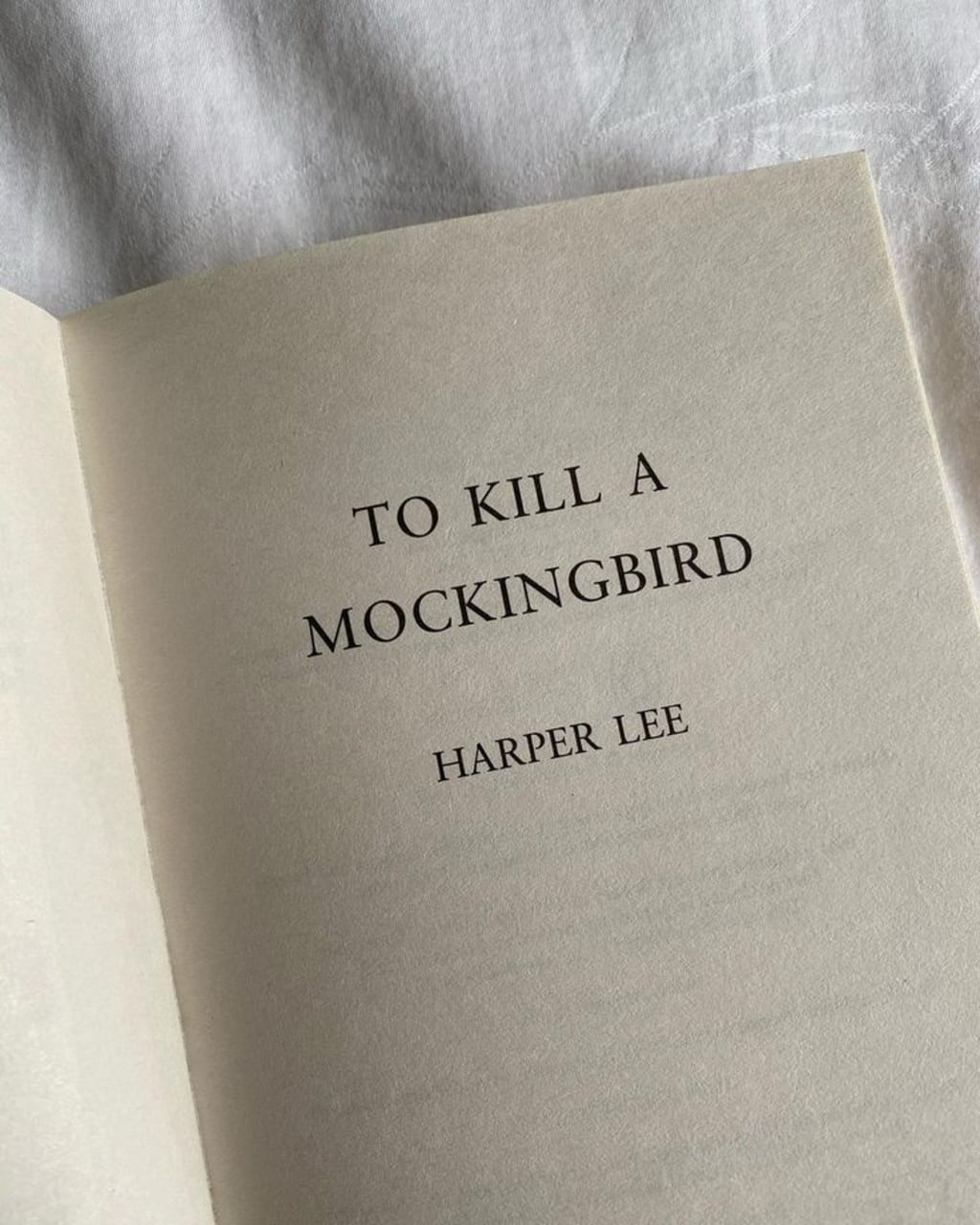
In the world of classic literature, certain novels transcend time and remain relevant across generations. One such masterpiece is Harper Lee’s "To Kill a Mockingbird". This profound novel not only captivates readers with its compelling storytelling but also offers a deep exploration of themes that continue to resonate today. In this article, we'll delve into why "To Kill a Mockingbird" is widely regarded as the best novel of all time and why it should be at the top of your reading list.
1. Overview of "To Kill a Mockingbird"
"To Kill a Mockingbird" is set in the 1930s American South and follows the life of young Scout Finch as she navigates a world filled with racial tension and moral dilemmas. The novel introduces readers to Scout’s father, Atticus Finch, a principled lawyer who takes on the challenging task of defending Tom Robinson, a Black man falsely accused of raping a white woman. Through Scout’s eyes, we witness the struggles and triumphs of characters confronting deep-seated prejudices and striving for justice.
Historical and Cultural Context
Harper Lee’s novel is not just a story; it's a reflection of the social and racial dynamics of its time. Set against the backdrop of the Great Depression, it sheds light on the systemic racism prevalent in the American South and provides a critical perspective on the societal norms of the era.
2. Themes and Messages
Racism and Social Injustice
At the heart of "To Kill a Mockingbird" is its powerful critique of racial injustice. The novel exposes the harsh realities of racism through the trial of Tom Robinson, highlighting the pervasive discrimination that affects every facet of society. Lee’s portrayal of these issues challenges readers to reflect on the ongoing struggle for equality and justice.
Moral Growth and Empathy
Another central theme is the moral development of Scout and her father, Atticus. Atticus teaches Scout valuable lessons about empathy and understanding, urging her to consider things from others’ perspectives. This theme underscores the importance of compassion and moral integrity in the face of adversity.
Childhood and Innocence
The novel also explores the theme of childhood innocence through Scout’s experiences. The juxtaposition of her innocent worldview against the harsh realities of racism and injustice provides a poignant commentary on the loss of innocence and the complexity of human nature.
3. Literary Significance
Critical Acclaim
Since its publication in 1960, "To Kill a Mockingbird" has garnered widespread acclaim and numerous accolades, including the Pulitzer Prize for Fiction in 1961. Its powerful narrative and compelling characters have earned it a cherished place in the literary canon.
Influence on Literature
The novel’s influence extends beyond its pages, inspiring countless writers and shaping discussions around race and justice. Its enduring relevance is a testament to its profound impact on both literature and society.
Adaptations and Legacy
"To Kill a Mockingbird" has also been adapted into a successful film and stage play, further cementing its place in popular culture. The film adaptation, released in 1962, received critical acclaim and introduced the novel to a broader audience, while the stage adaptations continue to bring its powerful message to new generations.
4. Why It’s the Best Novel
Timeless Relevance
The themes explored in "To Kill a Mockingbird" remain as relevant today as they were when the novel was first published. The exploration of racial inequality, moral courage, and empathy resonates with contemporary readers, making it a timeless read.
Compelling Storytelling
Harper Lee’s masterful storytelling is a key reason for the novel’s enduring appeal. Her ability to weave a compelling narrative with richly developed characters and a thought-provoking plot is a hallmark of exceptional literature.
Cultural Impact
The novel has played a significant role in fostering discussions about race, morality, and justice. Its impact extends beyond literature, influencing social attitudes and contributing to ongoing conversations about equality and human rights.
5. Additional Recommendations
For readers who enjoyed "To Kill a Mockingbird", here are a few other novels that explore similar themes or offer compelling storytelling:
"The Help" by Kathryn Stockett: A novel that examines racial issues in the American South through the perspectives of domestic workers.
"The Grapes of Wrath" by John Steinbeck: A story about the struggles of a poor family during the Great Depression, highlighting social injustice.
"Beloved" by Toni Morrison: A powerful exploration of slavery’s impact on individuals and families, told through a haunting narrative.
Conclusion
"To Kill a Mockingbird" by Harper Lee is a novel that continues to captivate readers with its profound exploration of social justice, morality, and human empathy. Its timeless relevance and compelling storytelling make it a standout work in the literary world. Whether you’re a seasoned reader or new to classic literature, this novel offers a powerful and enriching experience that remains as impactful today as ever.
Call to Action
Have you read "To Kill a Mockingbird"? Share your thoughts and reflections on this classic novel in the comments below. If you haven’t yet experienced this literary masterpiece, click [here] to purchase or borrow your copy today and join the conversation about one of the best novels of all time.
About the Creator
smoky quartz
"Discover your next favorite read at smoky quartz! From thrilling novels to insightful non-fiction, we curate the best book recommendations across genres. Join our community and explore the world of literature with us!"
Keep reading
More stories from smoky quartz and writers in BookClub and other communities.
Unlock Your Potential: Transformative Self-Help Books You Need to Read
In the journey of personal growth and self-improvement, the right self-help book can be a game-changer. Whether you're looking to build better habits, find inner peace, or shift your perspective on life's challenges, the right book can provide the insights and motivation you need. Here are three highly recommended self-help books that can truly transform your life:
By smoky quartzabout a year ago in BookClub
Death Walk‑Ins: The Soul Swap Phenomenon
Entering the Realm of Death Walk‑Ins The concept of a walk‑in soul occupies a singular place in metaphysical and occult thought. It represents a radical departure from conventional ideas of identity and consciousness, suggesting that a human soul can completely leave a physical body and be replaced by another consciousness, sometimes in the midst of a lifetime. Unlike reincarnation, where a soul enters a newborn body, or possession, where a spirit may temporarily influence behavior, a walk‑in involves a full exchange of consciousness. Within this framework, death walk-ins occupy a distinct and compelling niche, describing individuals who have experienced clinical death, near-death events, or extreme trauma, and return profoundly altered—often exhibiting new personality traits, enhanced abilities, spiritual insights, or a completely transformed worldview.
By Marcus Hedare2 days ago in BookClub
Miss Persephone's Manual to a Seemingly Ordinary Life
Miss Persephone was found at the dining table, her blue eyes swollen, her tears arriving and retreating like the tides of the ocean. Earlier that day, her family had visited her in the retirement home where she had lived for eight years. It was her eightieth birthday.
By Imola Tóth4 days ago in Fiction




Comments
There are no comments for this story
Be the first to respond and start the conversation.