
The Surprising Impact of Waking Up Too Early
Why Waking Up Early Might Not Be the Best Choice

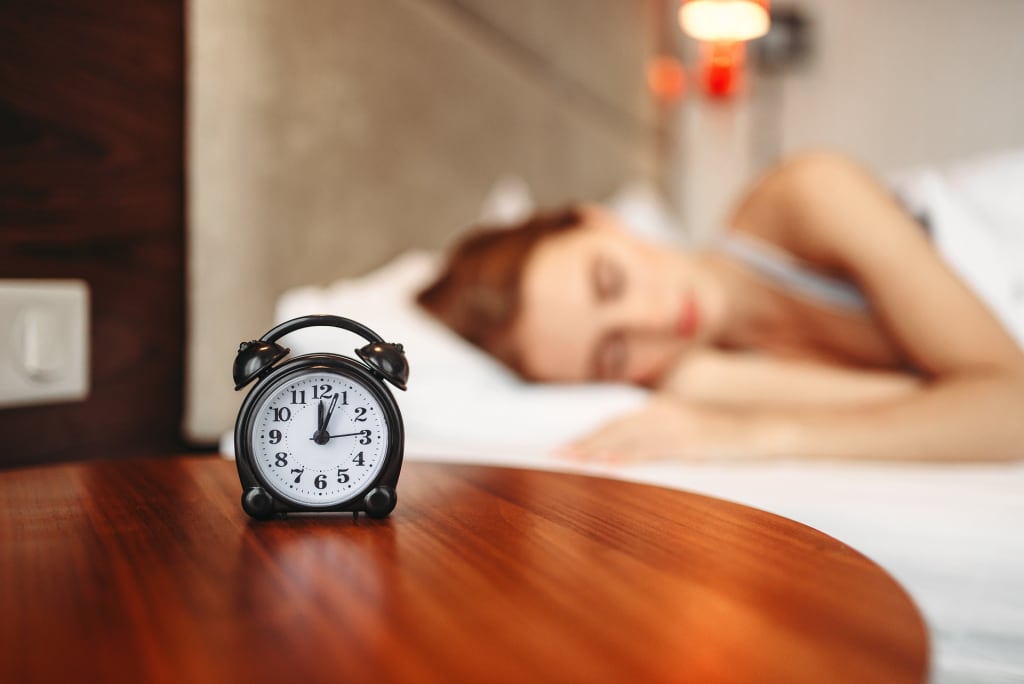
You ever wake up before the sun, thinking, “Alright, today’s the day I get stuff done!” But then, a few hours in, you’re staring at your coffee mug like it’s the only thing keeping you alive? Yep, been there. People everywhere hype waking up early like it’s some golden ticket to success. But… is it really?Turns out, waking up too early might not be all sunshine and rainbows. In fact, it can mess with your energy, your mood, and even your health. Let’s break it down, in plain, human language.
Why Sleep Even Matters
Sleep Stages: What’s Actually Happening
When you sleep, your body’s not just lying there being lazy. Nope, it’s working hard! Your sleep goes in cycles — light sleep, deep sleep, and something called REM sleep (that’s where dreams live).
If your alarm blares in the middle of a cycle, especially REM, your brain’s like, “What’s going on?!” That’s why waking up early sometimes feels like you’ve been hit by a truck. Sleep interrupted = grogginess, period.
Your Body Clock Ain’t Fooling Around
You’ve got this cool thing inside you called a circadian rhythm. It’s like your body’s personal clock. It tells you when to wake up, when to sleep, when to eat. If you wake up before it’s ready, it’s like yanking someone out of bed mid-dream — grumpy and confused.
What Happens When You Wake Up Too Early
- You’re Just Tired
Let’s be real: waking up early can leave you dragging. No amount of espresso can fix that bone-deep exhaustion you feel when your body didn’t get enough time to recover.
- You didn’t rest.
- You didn’t recharge.
- You’re running on fumes.
You might even start craving sugary snacks to fake your way through the day. Spoiler alert: it won’t help.
2. Your Hormones Go Haywire
Here’s a quick science moment: sleep helps balance your hormones. When you cut it short, chaos happens.
- Cortisol (stress hormone): Skyrockets. You feel stressed before you even brush your teeth.
- Ghrelin (hunger hormone): Makes you hungry for stuff like donuts and chips, not carrots.
- Melatonin (sleep hormone): Out of whack. Your next night’s sleep might stink, too.
3. Your Immune System? Not Happy
Sleep is when your body repairs itself. Wake up too early, and you’re shortchanging that process. The result? You might catch colds more often or just feel… off.
The Brain Struggles Are Real
You Can’t Think Straight
Ever try to write an email after waking up early but not sleeping enough? Suddenly, basic words are like, “Wait, how do I spell ‘necessary’? Your brain feels foggy, and focus is hard to come by.
Crankiness Hits Hard
When you wake up early but didn’t sleep enough, even small annoyances feel huge. Someone cuts you off in traffic? Rage. Someone eats the last cookie? Devastation.
Long-Term Mood Problems
Do this too often, and it can even lead to bigger issues, like anxiety or depression. Sleep isn’t just rest; it’s emotional recovery. Without it, your brain struggles to process stress and emotions.
Is Waking Up Early Always a Good Thing?
The Myth of the Early Bird
Everyone says, “The early bird catches the worm.” Sure, but what if the worm’s not even awake yet? Here’s the truth: waking up early doesn’t work for everyone. Some people are naturally night owls, and that’s okay!
Fun fact: Winston Churchill stayed up late and slept in. Guy still ran a country.
We’re All Built Differently
- Your sleep needs depend on your age, lifestyle, and genes. Quick table for you:
- So, if you’re waking up early and only getting 5–6 hours of sleep? Not great.
How to Find Your Perfect Wake-Up Time
Listen to Your Body

Your body knows best. Pay attention: do you feel good when you wake up at 7 a.m.? Or do you feel like a zombie? Experiment with different times until you find your sweet spot.Consistency Is Key
Stick to a Routine
Your body LOVES a routine. Try to go to bed and wake up at the same time every day. Yes, even weekends. (Okay, maybe not every weekend. Life happens.)
Make Sleep Better
Here’s how to sleep like a pro:
- Turn off screens an hour before bed. Your phone’s blue light is messing with your brain.
- Keep your room cool and dark. Light = bad for sleep.
- Wind down with something relaxing, like a book or some chill music.
Does Waking Up Early Make You More Productive?
The Short Answer: Not Really
If you’re waking up early but running on empty, your brain’s not firing on all cylinders. Sure, you’re awake, but are you really getting more done? Probably not.
What Actually Works
- Instead of focusing on waking up early, focus on:
- Getting enough sleep (7–9 hours).
- Planning your day well.
Doing your most important tasks when your energy is at its peak (morning for some, evening for others).
Tips for Adjusting Your Routine
Shift Slowly: If you want to wake up earlier, don’t go from 8 a.m. to 5 a.m. overnight. Start with 15–30 minute changes.
Sleep First, Alarm Second: Always prioritize getting enough rest over setting an early alarm.
Track Your Progress: Use a sleep app to see how changes are affecting your mood and energy.
Conclusion: It’s Not About the Clock
Waking up early works for some people, but it’s not a magic solution for everyone. If you’re cutting your sleep short just to get up early, you might be doing more harm than good. Focus on what your body needs — good, consistent sleep.
At the end of the day (or early morning), it’s about what works for you. Rest well, wake up when it feels right, and take on the day fully recharged. Sleep smart, not just early.
FAQs About Waking Up Too Early
1. Why do I feel tired after waking up early?
. You’re probably not getting enough sleep or waking up in the middle of a sleep cycle.
2. Is waking up early bad for my health?
It can be if you’re sacrificing sleep. Sleep is non-negotiable for your body’s health.
3. How can I wake up early without feeling tired?
Gradually shift your schedule, go to bed earlier, and avoid screens before bedtime.
4. Do successful people wake up early?
Some do, but others don’t. Success is about productivity, not just waking up early.
5. How much sleep do I really need?
Most adults need 7–9 hours of sleep. Teens and seniors might need more.
Rest well, friends. And remember: you can’t pour from an empty coffee cup — or a tired brain.
About the Creator
dodi dilak
I am here to help people achieve healthy living and mental wellbeing. With a focus on practical advice and evidence-based information, it aims to inspire readers to make positive changes in their daily lives.
Keep reading
More stories from dodi dilak and writers in BookClub and other communities.
The Truth About Sun Exposure: More Than Just Vitamin D
Picture this: the warm sun on your face, a gentle breeze, and a clear blue sky. It's a perfect day to step outside and soak in the sunlight. But then you wonder - how much sun is too much? Or am I getting enough for my body's needs?
By dodi dilakabout a year ago in BookClub
My New Book is Finally Here
My poetry collection Beautiful and Brutal Things is done. It's actually done and finally published over 270 pages. Over a year of my life went into this book. More than a year, really. Long days at my computer, sometimes seven days a week because I couldn't stop even when I probably should have. Then two months of editing that felt harder than the writing itself. But it's finished, and I'm still standing, and the book is real.
By Tim Carmichael7 days ago in BookClub
Supporting Tyler Robinson
At only 22 years old, Tyler Robinson now finds himself at the center of a high-profile legal battle that has already drawn widespread attention. As he awaits trial, it is important to remember the foundation of our justice system: every individual is presumed innocent until proven guilty. Tyler, like anyone facing charges, deserves the opportunity to defend himself with dignity, fairness, and adequate resources.
By Organic Products 7 days ago in BookClub
📢 Raise Your Voice Thread: 01/22/2026
Our “Raise Your Voice Threads” are hosted most alternating Thursdays at 12PM ET to offer creators more avenues to uncover exceptional stories on Vocal. As we are continuously searching for fresh creators and inspiring stories, this thread provides an opportunity to exchange and discuss the stories that have moved and motivated us on Vocal.
By Raise Your Voice by Vocala day ago in Resources



Comments
There are no comments for this story
Be the first to respond and start the conversation.