
The Secure Attachment Parenting Guide: A Review of: Raising Securely Attached Kids by Eli Harwood
A Practical Guide to Building Strong Emotional Bonds and Nurturing Healthy Relationships!!!

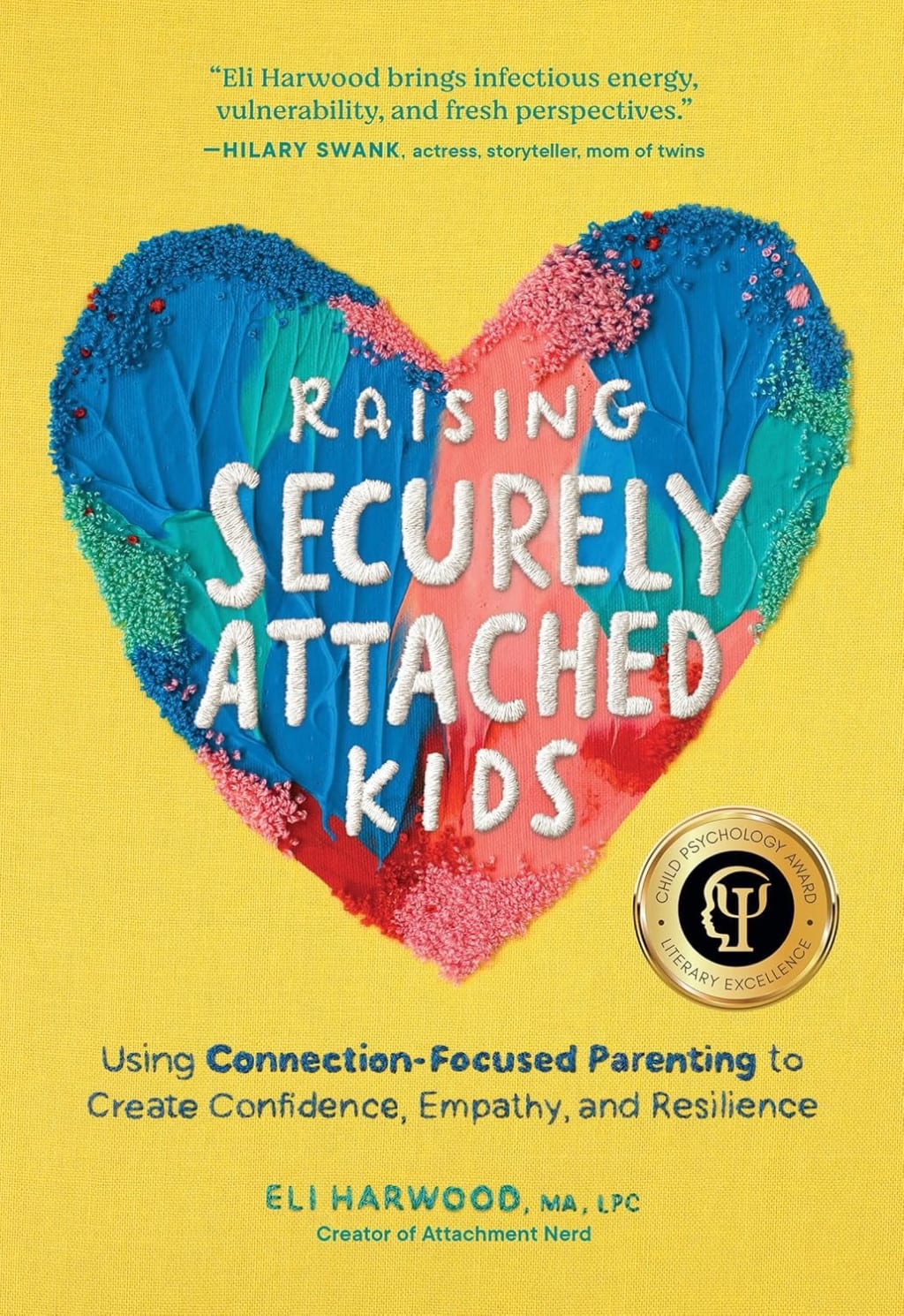
In the world of parenting books, there is no shortage of advice, theories, and techniques. However, a standout book that has been gaining attention for its straightforward, research-backed approach to fostering emotional security in children is Raising Securely Attached Kids by Eli Harwood. Harwood, a licensed therapist with a deep understanding of attachment theory, offers parents a roadmap to help their children build secure, healthy relationships—both with them and the world around them. With empathy, insight, and a practical framework, Harwood provides tools and strategies that are accessible for parents, making this book a must-read for anyone navigating the complex waters of child-rearing.
Here’s my comprehensive review of Raising Securely Attached Kids—a guide that will equip you with actionable insights and deeper understanding of how attachment impacts your child's emotional development.
1. Understanding Attachment Theory in Simple Terms
Harwood begins by breaking down the foundational concept of attachment theory, making it accessible even to parents with no background in psychology. Attachment theory, initially developed by John Bowlby and Mary Ainsworth, focuses on the bond between a child and their primary caregiver, and how this bond influences the child’s future emotional and social development.
What I appreciate most about Harwood’s explanation is how he explains complex psychological concepts in layman’s terms. He doesn't bombard the reader with technical jargon or assume prior knowledge. Instead, he offers clear, digestible insights into the different types of attachment styles (secure, anxious, avoidant, and disorganized) and how these styles manifest in behavior. He also emphasizes that a child’s attachment is not determined solely by the parent’s actions but also by the child’s temperament and the dynamics between parent and child.
For parents, this understanding is empowering. Instead of feeling overwhelmed by a confusing mix of behaviors, they can better interpret their child’s needs and responses.
2. Practical Steps for Building Secure Attachment
One of the book’s biggest strengths is its focus on practicality. Harwood doesn’t just talk about attachment theory in abstract terms—he gives actionable advice on how parents can foster secure attachment. He outlines a range of strategies to ensure that parents can form a strong, positive connection with their children.
Some of these steps are simple, like being consistent with routines, providing physical affection, and being emotionally available. But Harwood also offers deeper advice about validating a child's emotions and teaching them how to regulate their feelings. By creating an emotionally safe environment where kids feel understood and supported, parents can help them develop a secure attachment style.
Harwood also touches on the importance of emotional presence—being fully “there” for your child. In our busy, distracted world, this is a gentle reminder for parents to pause and engage in the present moment with their kids. No technology, no multitasking—just real, heartfelt connection.
3. The Role of Parent Self-Awareness
What sets Raising Securely Attached Kids apart from many parenting books is its emphasis on parent self-awareness. Harwood is clear about how important it is for parents to understand their own attachment history, triggers, and emotional needs. In other words, parents need to be aware of how their own childhood experiences might shape their parenting style.
This may sound daunting, but Harwood offers a compassionate, non-judgmental approach. He suggests that, by understanding their own attachment wounds, parents can avoid repeating unhealthy patterns and instead offer their children the emotional security they may have missed in their own upbringing. He also stresses the importance of self-compassion, reminding parents that no one is perfect and that growing through parenting is a continual process.
As a parent, I found this part of the book incredibly validating. It’s easy to get caught up in trying to be the “perfect” parent, but Harwood’s gentle guidance reminds us that it’s okay to have imperfections, as long as we strive for emotional growth and awareness.
4. How Attachment Styles Impact Behavior
Understanding how attachment affects behavior is a key aspect of Harwood’s approach. Throughout the book, he breaks down how different attachment styles manifest in children’s behavior, helping parents identify what their child may need in a given situation.
For instance, children with secure attachment typically feel comfortable exploring their world, knowing they have a reliable base to return to. On the other hand, children with anxious attachment may display clinginess or seek constant reassurance, while those with avoidant attachment may seem independent but struggle with closeness.
By recognizing these attachment patterns, parents can avoid getting frustrated or misinterpreting behaviors. Instead of viewing a child’s clinginess as “bad behavior,” parents can understand it as a sign of their child’s need for reassurance and emotional safety. Harwood’s approach helps parents shift from judgment to empathy, fostering a deeper connection with their children.
5. Addressing Challenging Behaviors with Attachment in Mind
No child comes with a manual, and Harwood acknowledges that parenting can be full of challenges. From tantrums to power struggles, there will be moments when a child’s behavior feels overwhelming. What Harwood offers in this book is a lens through which parents can view and respond to these challenges in a way that promotes secure attachment.
He offers specific advice on handling difficult behaviors—such as not reacting with anger when a child is misbehaving, and instead offering calm guidance, understanding, and consistency. By responding thoughtfully to a child's challenging behavior, parents can teach their children important emotional regulation skills, all while reinforcing a secure emotional bond.
6. The Importance of Play and Connection
Harwood also emphasizes the importance of play in developing secure attachment. Play, especially with parents, is more than just a way for children to pass the time—it’s a critical avenue for building trust and emotional connection.
He suggests that engaging in child-led play is one of the best ways to build a secure attachment. When parents engage in their child’s world and follow their lead, it reinforces the message that the child is valued and understood. Play offers an opportunity to practice problem-solving, social interaction, and emotional expression in a safe, loving environment.
7. Fostering Secure Attachment in a Digital Age
In the final chapters, Harwood addresses the unique challenges of raising children in today’s digital world. With technology playing an ever-increasing role in our lives, he provides practical advice on how parents can ensure that screen time does not interfere with attachment. He discusses how to set healthy boundaries with digital devices and how to prioritize face-to-face interaction for emotional connection.
This is a timely and essential section, as the constant pull of technology often distracts both parents and children from the emotional connection that’s so vital to secure attachment. Harwood’s suggestions empower parents to strike a balance between technology and quality time, ensuring that children’s emotional needs are met in an increasingly digital world.
Final Thoughts: A Must-Read for Parents
Raising Securely Attached Kids by Eli Harwood is a thoughtful, insightful guide that provides parents with the tools they need to foster emotional security and resilience in their children. It’s a refreshing blend of scientific theory, practical advice, and emotional wisdom, making it accessible and actionable for parents of all backgrounds.
Whether you're a new parent or a seasoned one, this book offers valuable insights into how you can create a nurturing, emotionally secure environment for your child. If you’re looking to deepen your understanding of attachment theory and learn how to apply it in your parenting, I highly recommend giving this book a read. It’s not just a parenting guide—it’s an investment in your child’s future well-being.
Thank you 🙏
Future of Resilience
About the Creator
Future of Resilience
I enjoy writing book and product review, relationship and parenting blogs. I hope you enjoy my writing. Happy Reading!
Keep reading
More stories from Future of Resilience and writers in BookClub and other communities.
A Journal for Self-Discovery and Inspiration; A Review of A Daily Journal by Jessika Thomas
In Daily Journal, Jessika Thomas offers readers a thoughtful companion for their personal journeys, blending the therapeutic power of writing with the uplifting influence of art. Designed with inclusivity in mind, this journal is not just for those navigating difficult paths, but for anyone seeking to reflect, grow, or simply express their thoughts. The book opens with a motivational quote from Matthew 5:16: “Let your light shine before others...”, setting a positive, empowering tone for the pages that follow.
By Future of Resilience about a year ago in BookClub
My New Book is Finally Here
My poetry collection Beautiful and Brutal Things is done. It's actually done and finally published over 270 pages. Over a year of my life went into this book. More than a year, really. Long days at my computer, sometimes seven days a week because I couldn't stop even when I probably should have. Then two months of editing that felt harder than the writing itself. But it's finished, and I'm still standing, and the book is real.
By Tim Carmichael3 days ago in BookClub
Lessons from the Life of Joseph
Title: Lessons from the Life of Joseph Subtitle: Finding Strength in Trials and Trusting God’s Plan Have you ever felt betrayed, abandoned, or overwhelmed by life’s unfairness? Joseph, one of the most remarkable figures in the Bible, experienced all of this—and yet his story teaches us how patience, faith, and integrity can transform even the darkest trials into blessings. His journey is a timeless reminder that God’s plan often unfolds in ways we cannot immediately understand.
By Nonhlanhla Emogene Mbokane4 days ago in BookClub




Comments
There are no comments for this story
Be the first to respond and start the conversation.