
The Science of Achievement
Unlocking Your Inner Power to Reach New Heights

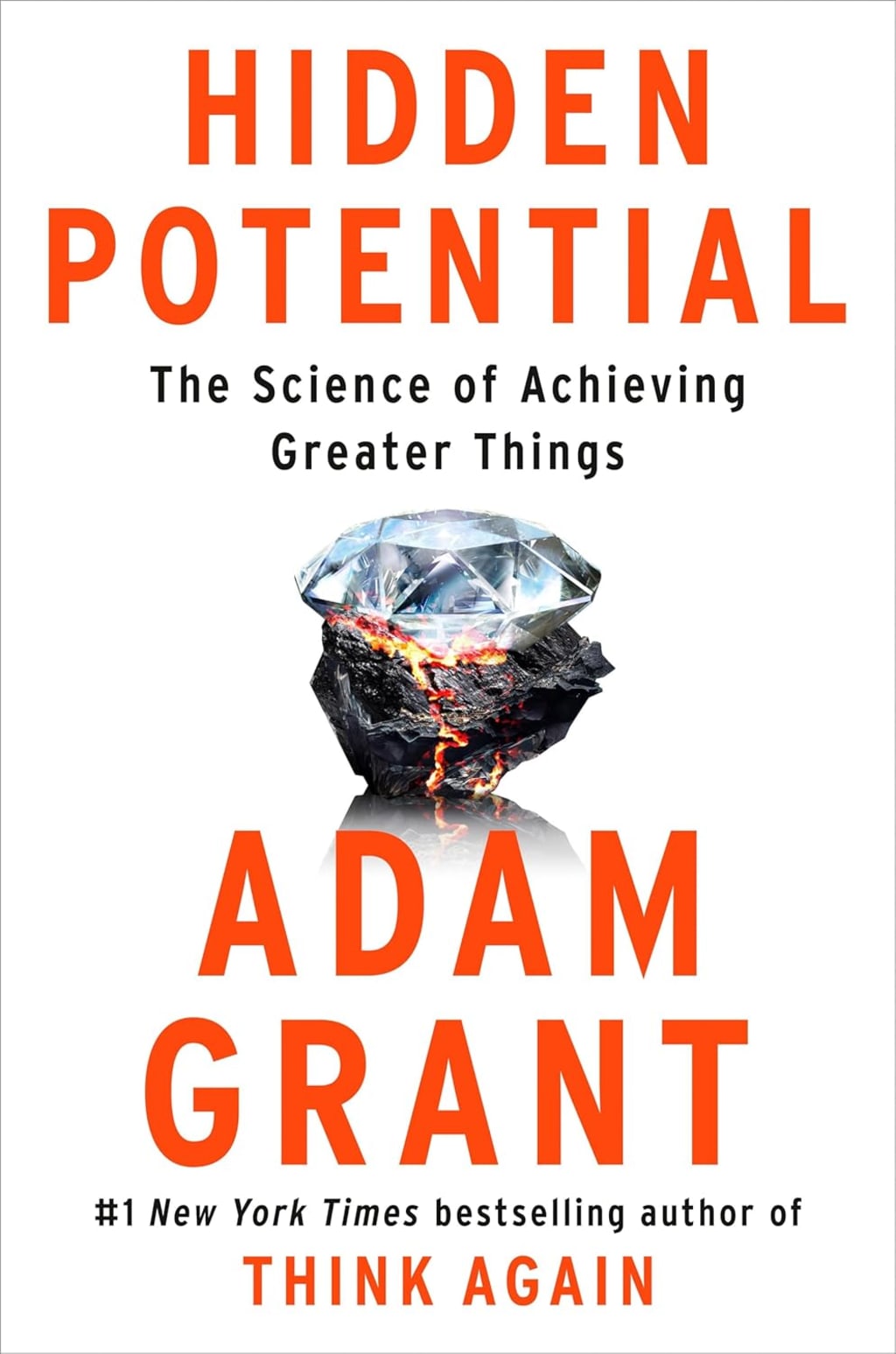
Everyone has heard the phrase "hidden potential," but what does it really mean? At its core, hidden potential refers to abilities, strengths, and talents that remain dormant within us, often unnoticed. Sometimes, these talents are buried so deep that we may not even recognize them ourselves. Unlocking hidden potential can lead to transformative changes, both in our personal and professional lives. Whether it’s the potential to excel in a new career, master a new skill, or find a passion we never expected, uncovering these hidden abilities can reshape our lives.
But why does so much potential stay hidden? And how can we start to unearth it? In this article, we’ll explore the reasons behind hidden potential and offer ways to discover the talents that may be lying dormant within us.
The Concept of Hidden Potential
Everyone possesses some form of hidden potential. It’s the untapped reservoir of talent, skill, or strength that, if identified and nurtured, can lead to significant accomplishments. Often, our hidden potential remains concealed due to various factors like self-doubt, fear of failure, or simply because we have not explored diverse opportunities that might reveal our latent abilities. People may spend years working within certain boundaries, unaware of the other skills or interests they might have developed if only given the chance.
This concept is empowering because it shows that we are more than the sum of our current abilities. The key is recognizing that untapped talent exists in each of us and finding ways to draw it out.
Why Hidden Potential Stays Hidden
There are many reasons why our hidden talents remain undiscovered. Lack of self-awareness is one major factor. Many of us go through life without pausing to consider what we’re truly passionate about or where our true strengths lie. Self-reflection isn’t always encouraged in busy work or school environments, and without a chance to explore these inner resources, we may assume that our potential is limited.
External limitations also play a significant role. Not everyone has access to opportunities that help them explore new skills or receive feedback that could reveal their hidden strengths. Social and personal expectations can also confine people, especially when we are conditioned to follow specific paths or conform to societal norms. For example, someone with artistic potential might ignore it in favor of a more “practical” career because they feel pressured to meet others’ expectations.
Recognizing and Cultivating Hidden Potential
Uncovering hidden potential begins with awareness. The following steps can be instrumental in helping people start this journey:
Self-reflection: Spending time in quiet reflection can reveal insights about strengths and weaknesses. Journaling, meditating, or simply spending quiet time thinking about past accomplishments can sometimes illuminate hidden talents.
Seek feedback: Sometimes, those around us see our potential more clearly than we do. Trusted friends, family, or mentors can provide valuable feedback that highlights strengths we may not have noticed ourselves.
Try new activities: Hidden potential often emerges when we step out of our comfort zones. Taking up a new hobby, volunteering, or trying different tasks at work can reveal talents that would have otherwise remained hidden.
Real-Life Examples of Uncovered Potential
There are countless stories of people who discovered hidden potential later in life. Consider the story of J.K. Rowling, who struggled through difficult times before discovering her passion and talent for writing, eventually creating one of the most beloved literary series of all time. Or think of Grandma Moses, who began painting only in her 70s and became a famous artist. These examples remind us that it’s never too late to discover new talents or interests.
Today, there are various tools to aid in unlocking hidden potential. Personality assessments, such as the Myers-Briggs Type Indicator (MBTI) or StrengthsFinder, can provide valuable insights into personal strengths. Mentorship and networking platforms also allow people to connect with those who can provide guidance, opportunities, and encouragement. Additionally, online courses and skill-building platforms like Coursera or Udacity can help individuals develop new skills, sometimes unveiling unexpected talents in the process.
About the Creator
Rachel Reviews: Lakefront Wolves by Joseph Deegan
Meet Finn. He's an 18 year old kid who has potential. He's bright with great school scores and he's also an athlete, a footballer of some prowess. He has it all going for him, it would seem, and yet, he's determined to send what could be a well-planned, stable existence firmly off the rails. He drinks, he smokes, he takes drugs, he has violent tendencies and he's in danger of losing not only his mind but all that he holds dear.
By Rachel Deeming12 days ago in BookClub
7 Fairy Tale Books You Must Read in 2026
Fairy tales are not just whimsical stories for children—they are timeless narratives that explore universal human experiences, moral dilemmas, and the power of imagination. From enchanted forests to magical kingdoms, these stories transport us to worlds where courage, resilience, and hope prevail. Whether you’re a lifelong reader or a newcomer seeking inspiration, exploring the right fairy tale books can expand your imagination, sharpen critical thinking, and offer profound life lessons.
By Diana Meresc6 days ago in BookClub
Becca
"Everything is so... flat." Denille said stupidly as she looked around her new neighborhood. She looked around at the muted desert where even the smallest sign of life seemed to have given up. The plant life was shrubs that were half cooked by the heat and where there should have been a lawn, a mess of white rocks laid glistening in the sun. Even the sky looked stretched thin, like the sun had ironed it smooth. She’d moved from Riverside, where at least there were hills, but here in Barstow, everything felt baked and brittle.
By Sara Wilson7 days ago in Fiction



Comments
There are no comments for this story
Be the first to respond and start the conversation.