
The Rime of the Ancient Mariner
An In-Depth Exploration

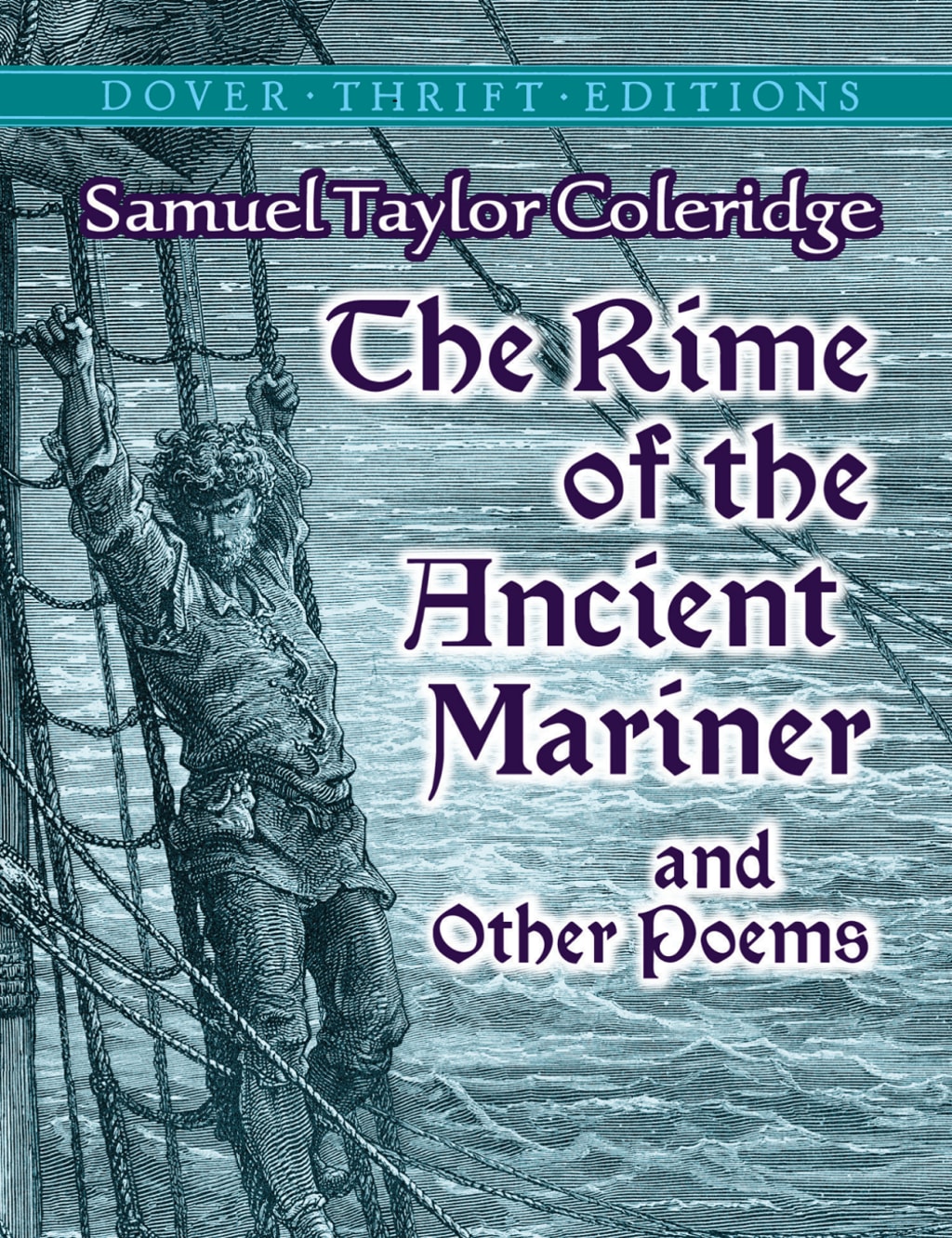
Samuel Taylor Coleridge
"Courier Corporation, 01-Mar-2012 - Poetry - 80 pages"
"DIVGreat title poem plus "Kubla Khan," "Christabel," 20 other sonnets, lyrics, odes: "Frost at Midnight," "The Nightingale," "The Pains of Sleep," "To William Wordsworth," "Youth and Age," more. All reprinted from authoritative edition."
The Rime of the Ancient Mariner remains one of the most popular poems in the English literary firmament, a quintessence of the Romantic period. Its spellbinding tale of sin, penance, and redemption delivers mesmerizing and thought-provoking results. This analysis probes deep into the poem's major themes, symbolism, and literary elements that allow the readers to understand its eternal charm.
Background and Historical Context
Written in 1797–1798 and included in the collection of Coleridge and William Wordsworth's "Lyrical Ballads" of 1798, "The Rime of the Ancient Mariner" is an expression of the Romantic movement's themes of emphasis on nature, emotion, and individualism. The work is based upon the wide-ranging knowledge Coleridge had of medieval texts, Christian theology, and accounts of exploration of the time. The supernatural and natural world come together within the poem to exemplify Romantic interest in the sublime.
This plot summary of A Journey into the Unknown
The poem introduces a mariner who stops at a wedding guest to recite his tale of a dangerous journey to sea. When his ship ventured into perilous waters, he committed an unprovoked slaughter upon an albatross-a harbinger bird for good winds. This proved to be the beginning of disaster-the ship and its crew had now come under a curse. He undergoes intense suffering, physical as well as spiritual, for facing the results of his evil act. He finds redemption only after he acknowledges the sacredness of life and makes prayerful confession.
Important Themes
Sin, Guilt, and Redemption
The central theme in *The Rime of the Ancient Mariner* is that of sin and redemption. The killing of the albatross by the mariner is a senseless breach of natural and spiritual law that condemns him to suffer intensely. His redemption is not instantaneous, however. Instead, through a long and painful journey, the mariner recognizes his wrongdoing and seeks forgiveness through repentance. His continued penance of retelling his story is a moral reminder that redemption comes through recognition and atonement.
Nature and the Supernatural
The poem is filled with powerful descriptions of nature, so often portrayed as something superhuman. The peaceful waves to the tempestous storms, nature plays the biggest role in telling of the mariner's inner battle. Killing the albatross is an imbalance of the equilibrium of human relation to nature. This act invokes supernatural forces, including the ghostly ship and the figures of Death and Life-in-Death, which heighten the mariner's torment and illustrate the Romantic belief in nature's supremacy over mankind.
Isolation and Despair
The mariner's isolation, both physical and emotional, underlines the severity of his punishment. His lonely suffering on a motionless ship in the middle of the ocean reflects his emotional alienation from the crew and from humanity. This theme echoes the Romanticism that explores the individual's place within society and the universe. The mariner's intense despair is amplified by his solitude, compelling him into a deeper understanding of the consequences of his actions.
The Power of Storytelling
Storytelling plays a very significant role in "The Rime of the Ancient Mariner". He is cursed to narrate his tale to others and becomes a sinner, but at the same time, a kind of prophet. His tale serves to give moral lessons; that one should respect nature and weigh his actions. So storytelling forms a kind of confession but also serves as an act of atonement.
Symbolism in "The Rime of the Ancient Mariner"
Coleridge very effectively uses symbolism to develop the themes of the poem and to invest deeper meaning into the mariner's experiences.
- The Albatross: Traditionally a symbol of good luck, the albatross represents the natural world's blessing on the mariner's voyage. Its death becomes the pivotal moment that shifts the poem from one of adventure to one of tragedy and spiritual reckoning.
- The Crossbow: Instrument used to kill the albatross, this crossbow symbolizes humanity's tendency to destroy what he does not understand. It marks the moment when the mariner exerts destructive power over nature, bringing calamity upon himself and his crew.
- The Ship: Mariner's ship is a small world, mirroring the beauty and chaos of the universe. When the mariner breaks the norms of nature, the ship becomes a place for death and hopelessness.
- Water: Water is the sea, which becomes a constant presence in the poem. It shifts from being life-giving to becoming stagnant and dangerous. The dual nature of water as both a giver and taker of life symbolizes the dual forces of creation and destruction in the natural world.
- The Sun and Moon: Heavenly imagery in the poem underscores the mariner's connection to higher powers. The sun often represents judgment and punishment, while the moon is associated with mercy and renewal.
Form and Structure
"The Rime of the Ancient Mariner" is written in a variety of ballad stanzas, mostly quatrains, with alternating lines of tetrameter and trimeter. The poem's rhyme scheme is predominantly ABAB, though often the rhyme scheme varies throughout the poem. This traditional ballad form lends an ancient, folk-tale quality to the poem that transcends time and universality.
Critical Reception and Influence
Since its release, "The Rime of the Ancient Mariner" has been regarded as one of Coleridge's greatest works. The rich narrative, symbolism, and emotional depth are some of the things that have earned it a position as the heart of Romantic literature. Some of the criticisms regarding the poem include its universal themes such as guilt and redemption, as well as the newness in supernaturalism.
The poem has inspired many writers and artists from various forms of media. Its themes of isolation, penance, and the relationship between man and nature continue to find relevance even in contemporary times, hence making it relevant for centuries.
Conclusion: The Lasting Legacy of the Mariner's Story
The Rime of the Ancient Mariner is a testament to the power of poetry to communicate profound moral and philosophical truths. Through the harrowing journey taken by the mariner, an invitation is made to the audience to reflect on their relationship in relation to the natural world, weighing guilt, and redemption. Through language, Coleridge's mastery can ensure that the poem is always set as a timeless exploration of the human condition, capable of inspiring and haunting long afterwards the reader has closed the book.
The legacy of "The Rime of the Ancient Mariner" lives, not merely as a story of one man's suffering and salvation, but as an expression of the larger human experience. Its messages about respect for nature, the consequences of one's actions, and the redemptive power of love and humility remain as poignant today as when the poem was first written.
About the Creator
Usman Zafar
I am Blogger and Writer.
Keep reading
More stories from Usman Zafar and writers in BookClub and other communities.
The Timeless Beauty of Poetry
Biography Jasmijn Lobik is a poet and writer from Rotterdam who explores themes like loneliness, friendship and the gap between our inner life and outward appearance. Her poetry and stories have appeared in Op Ruwe Planken, De Optimist, and Hyster-X, and in the summer of 2024, she performed as an upcoming talent at Dichters in de Prinsentuin. In 2023, she received the AMAI Jury Award for Best Poem and won the Rotterdam poetry prize, Dichtwerk. Jasmijn shares her love for language on Instagram at @onderwoorden.
By Usman Zafarabout a year ago in BookClub
Rachel Reviews: Lakefront Wolves by Joseph Deegan
Meet Finn. He's an 18 year old kid who has potential. He's bright with great school scores and he's also an athlete, a footballer of some prowess. He has it all going for him, it would seem, and yet, he's determined to send what could be a well-planned, stable existence firmly off the rails. He drinks, he smokes, he takes drugs, he has violent tendencies and he's in danger of losing not only his mind but all that he holds dear.
By Rachel Deeming15 days ago in BookClub
8 Books You Can Finish in a Single Night
In a world that never slows down, finding time to read can feel like an impossible luxury. Yet, there is a special thrill in discovering books you can finish in a single night—stories that grab your attention from the first page, pull you into their world, and leave a lasting impression by morning. Whether you’re seeking adventure, introspection, suspense, or philosophical insight, short novels and novellas prove that literary depth doesn’t require hundreds of pages.
By Diana Meresc3 days ago in BookClub



Comments
There are no comments for this story
Be the first to respond and start the conversation.