
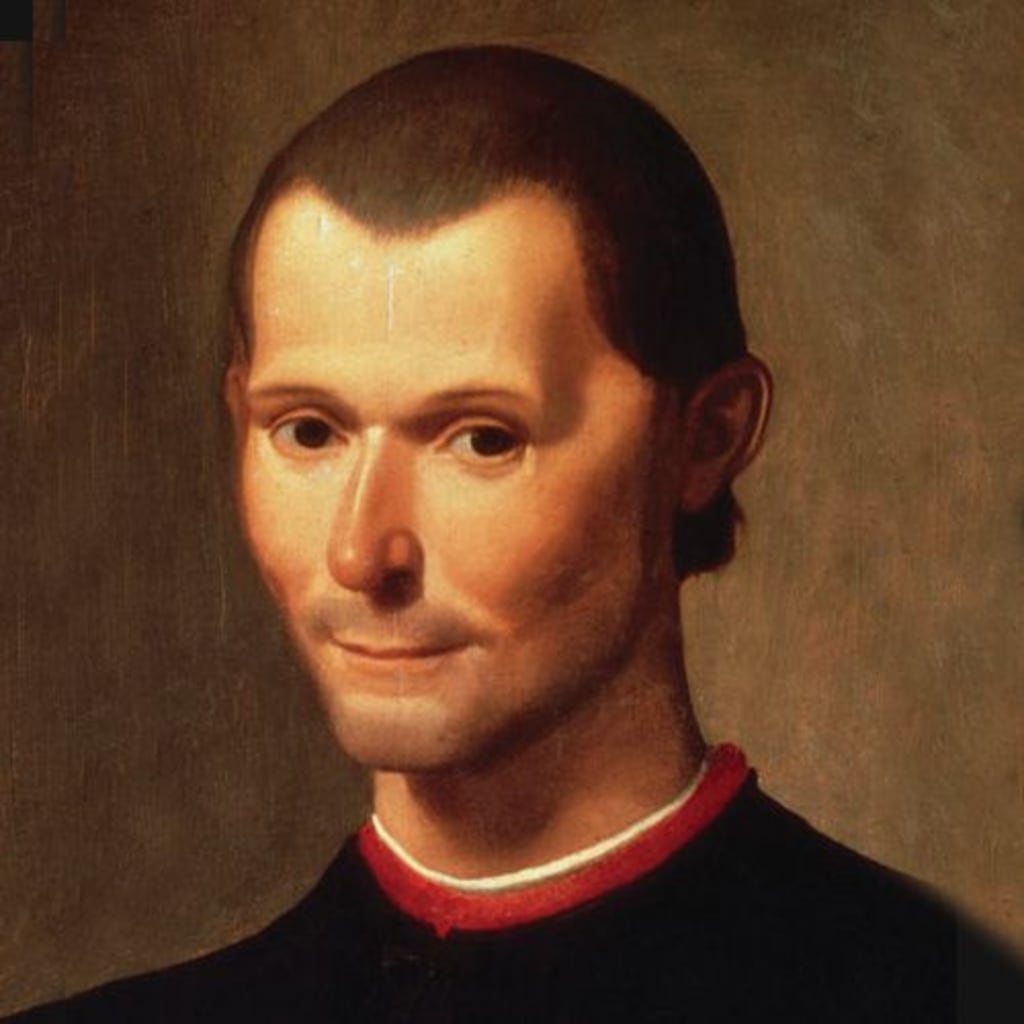
Machiavellianism: The term "Machiavellian" is often used to describe cunning, deceitful, and manipulative behavior in politics. However, it's important to note that Machiavelli's work is more nuanced than this stereotype suggests. He was primarily concerned with practical advice for rulers in a world he perceived as harsh and unforgiving. His ideas are rooted in the idea that leaders must do whatever it takes to maintain and consolidate their power, even if it means using deception and ruthlessness. This pragmatic approach to politics is one of the central themes of the book.
The Ends Justify the Means: Machiavelli famously argued that the morality of an action should be judged by its outcome. He believed that rulers should be willing to do whatever is necessary, including unethical or immoral actions, to achieve their goals and maintain political stability. This philosophy is encapsulated in the famous quote, "The ends justify the means."
Fortune and Virtue: Machiavelli distinguished between fortune (luck or circumstances beyond one's control) and virtue (personal qualities and abilities). He argued that a successful ruler must have a balance of both. While rulers cannot control fortune, they can control their virtue, which includes qualities like decisiveness, flexibility, and adaptability. He believed that virtuous rulers could navigate the unpredictable nature of fortune more effectively.
Realism in Politics: "The Prince" is often seen as a rejection of idealism in politics. Machiavelli argued that rulers should be pragmatic and realistic in their approach to governance, rather than relying on abstract moral or ethical principles. He believed that politics is driven by power and self-interest and that rulers should understand and accept this reality.
The Importance of Appearances: Machiavelli emphasized the importance of perception and appearances in politics. He argued that a ruler should be both loved and feared but, if one has to choose, it is better to be feared. He believed that maintaining a strong image and reputation was crucial for a ruler's success.
Adaptability and Flexibility: Machiavelli stressed the importance of adaptability in politics. He advised rulers to be flexible and willing to change their strategies as circumstances evolved. This adaptability allows a ruler to respond effectively to changing conditions and threats.
The Role of History: Throughout the book, Machiavelli draws on historical examples to illustrate his points. He analyzes the successes and failures of past rulers, providing practical insights into effective leadership and statecraft.
Ethical Dilemmas: "The Prince" raises important ethical questions about the use of power and the responsibility of rulers to their subjects. It challenges readers to consider whether the pursuit of power can ever be justified at the expense of ethical principles.
In conclusion, "The Prince" by Niccolò Machiavelli is a seminal work in political philosophy that has sparked much debate and controversy over the centuries. It presents a pragmatic and realistic view of politics, emphasizing the importance of power, adaptability, and effective leadership. While its ideas have been criticized for their ruthlessness, they continue to be studied and debated as a foundation of modern political thought.
Perspectives:
Historical Significance: "The Prince" is undeniably a historically significant work. It represents a departure from the traditional political and moral philosophy of its time, offering a more pragmatic and realist approach to the exercise of power. This shift in thinking had a profound impact on subsequent political theory and practice.
Controversial Nature: The book is controversial and has generated a wide range of reactions and interpretations. Some view it as a cynical and amoral guide to political manipulation, while others see it as a shrewd analysis of the realities of governance. Its controversial nature continues to stimulate debate and discussion.
Relevance: Despite being written over 500 years ago, "The Prince" remains relevant in the modern world. Its themes of leadership, power, strategy, and ethics continue to be studied and applied in various fields, including politics, business, and leadership studies.
Ethical Questions: One of the key points of contention regarding the book is its stance on ethics and morality in politics. Critics argue that Machiavelli's emphasis on the ends justifying the means can lead to unethical behavior, while others see it as a reflection of the harsh realities of political life.
Practicality: Some readers appreciate the practical advice offered in the book, viewing it as a guide to navigating the complex and often treacherous world of politics. Machiavelli's insights on adaptability, strategy, and decision-making are seen as valuable lessons.
In summary, opinions on "The Prince" vary widely, and its value and significance depend on one's perspective and interpretation. Some see it as a timeless and thought-provoking work, while others criticize it for its perceived immorality or manipulation. Ultimately, it remains an important text in the study of political theory and leadership.
About the Creator
Irma Barbasa
A writer
Keep reading
More stories from writers in BookClub and other communities.
Rachel Reviews: Lakefront Wolves by Joseph Deegan
Meet Finn. He's an 18 year old kid who has potential. He's bright with great school scores and he's also an athlete, a footballer of some prowess. He has it all going for him, it would seem, and yet, he's determined to send what could be a well-planned, stable existence firmly off the rails. He drinks, he smokes, he takes drugs, he has violent tendencies and he's in danger of losing not only his mind but all that he holds dear.
By Rachel Deeming11 days ago in BookClub
8 Books on Self-Discipline You Must Read in 2026
In today’s fast-paced, distraction-filled world, self-discipline is the bedrock of success. It’s the invisible force that separates fleeting motivation from lasting achievement. One of the most effective ways to strengthen this skill is by learning from the wisdom of those who have studied human behavior, productivity, and habit formation extensively.
By Diana Meresc6 days ago in BookClub
Writing To Succeed
If you want to find something that will help readers find your writing, possibly expand your audience, and maybe even get you noticed for other things, then you’re not alone. But how can you get it done in a world full of want-to-be writers? Look less at what you’re writing now, and more at what other writers have used to boost their views and reads.
By Jason Ray Morton 4 days ago in Writers




Comments
There are no comments for this story
Be the first to respond and start the conversation.