
The Price of Freedom: Nelson Mandela’s Long Walk to Justice
The Man Who Carried a Nation’s Hope

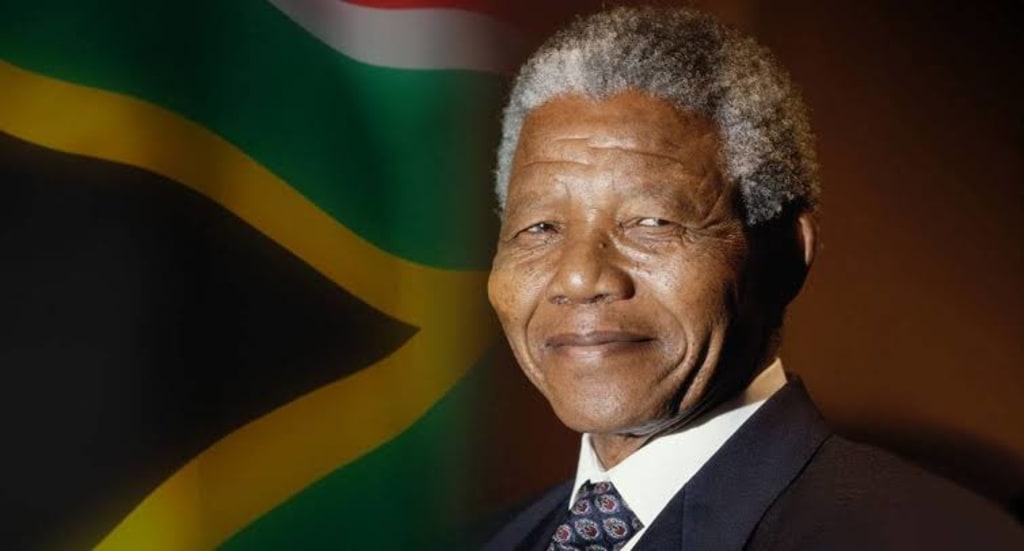
A Long Walk to Freedom, written by Nelson Mandela, is not just the story of one man’s life — it is the story of an entire nation’s struggle for dignity, justice, and equality. It is a story that reminds us that freedom is never given freely; it is earned through pain, perseverance, and sacrifice. True freedom demands struggle. It demands standing up even when your legs tremble and your voice shakes. Nelson Mandela was one such man who chose the path of resistance over comfort, sacrifice over safety, and hope over despair.
Born into a society deeply divided by racism, Mandela witnessed from a young age the brutality and injustice faced by black South Africans under apartheid — a system that legalized racial discrimination and dehumanized millions. Black people were not allowed to vote, to live where they wanted, or to receive proper education. They were treated as second-class citizens in their own land. But Mandela believed this was not the destiny of his people. He believed change was possible — even if it came at a great personal cost.
He joined the African National Congress (ANC) and began his lifelong fight against the apartheid regime. Through peaceful protests, rallies, and speeches, he tried to awaken the world to the suffering of his people. But the government responded with violence, imprisonment, and brutality. Mandela and his companions were labelled as criminals, terrorists, and enemies of the state. His family was harassed, his friends were jailed or killed, and eventually, he himself was sentenced to life imprisonment.
For 27 long years, Nelson Mandela was kept in a tiny prison cell on Robben Island. Imagine waking up each day behind bars, knowing your children are growing up without you, your people are still suffering, and the world seems to have forgotten you. But Mandela never lost hope. He read, he studied, he meditated, and he waited. He believed that one day, South Africa would be free — not just for blacks, but for all its people, regardless of race or background.
What makes his story even more powerful is that when he finally walked out of prison after nearly three decades, he did not come out filled with hatred. He came out with forgiveness. He came out with a vision of peace, reconciliation, and unity. He chose to forgive the same people who had stolen his youth, separated him from his family, and tried to crush his spirit. In 1994, he became the first black president of South Africa — not just a political victory, but a moral triumph for the entire world.
Mandela showed us that freedom is not only about breaking chains on the outside — it is also about breaking the chains of hatred, revenge, and fear within ourselves. His life teaches us that leadership is not about power, but about serving others. That even in the darkest prison, hope can still burn. And that no matter how long the journey, if the cause is just and the heart is strong, freedom will find its way.
Mandela’s long walk to freedom was not just for himself — it was for generations to come. His courage lit the way for others who are still fighting oppression and injustice around the world today. His story reminds us that we, too, have a duty to stand up when we see inequality, to speak out when we witness injustice, and to never stop believing in the power of love and humanity
About the Creator
Dr Ali
PhD student and part-time dreamer. I write short stories inspired by culture, emotion, and everyday life. Exploring fiction that connects hearts across borders.
My New Book is Finally Here
My poetry collection Beautiful and Brutal Things is done. It's actually done and finally published over 270 pages. Over a year of my life went into this book. More than a year, really. Long days at my computer, sometimes seven days a week because I couldn't stop even when I probably should have. Then two months of editing that felt harder than the writing itself. But it's finished, and I'm still standing, and the book is real.
By Tim Carmichael3 days ago in BookClub
Supporting Tyler Robinson
At only 22 years old, Tyler Robinson now finds himself at the center of a high-profile legal battle that has already drawn widespread attention. As he awaits trial, it is important to remember the foundation of our justice system: every individual is presumed innocent until proven guilty. Tyler, like anyone facing charges, deserves the opportunity to defend himself with dignity, fairness, and adequate resources.
By Organic Products 3 days ago in BookClub




Comments
There are no comments for this story
Be the first to respond and start the conversation.