
The Power of Tiny Changes -Atomic Habits
Building Better Habits : Start Small, Achieve Big
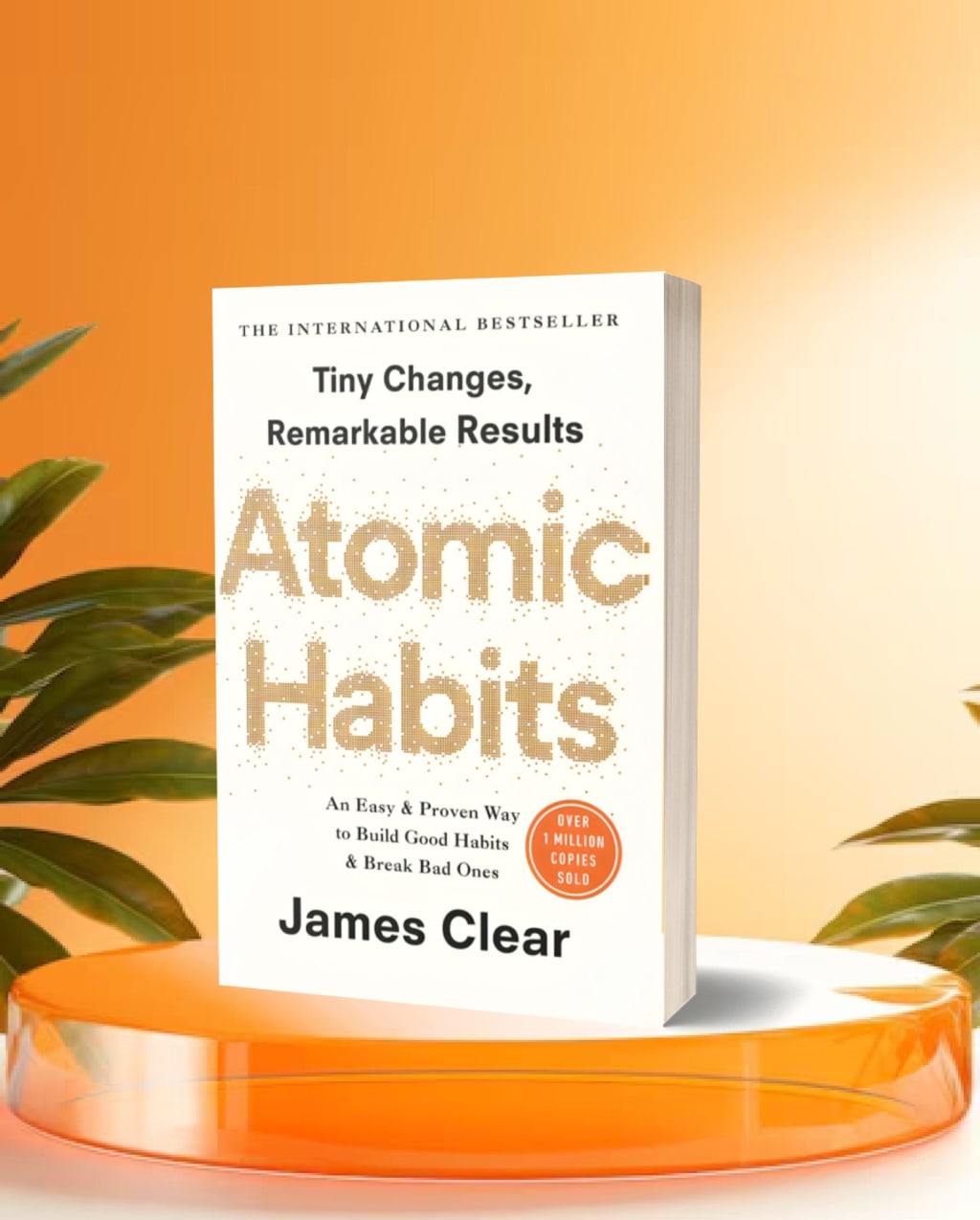
Imagine if you could transform your life not through grand gestures but by making small, almost invisible changes every day. It may sound like a subtle approach, yet history has shown that massive transformations often start with tiny steps. In James Clear's Atomic Habits, the idea of "1% improvements" shines through, proving that even the smallest habit can accumulate to produce extraordinary results over time. But how exactly does this work, and why should you bother with small habits when big results are the goal?
Why Tiny Habits Make a Huge Difference
It's easy to overestimate the impact of one significant effort and underestimate the power of small daily actions. Clear explains that habits are the compound interest of self-improvement—small routines that, when repeated daily, create exponential growth. Think of it like saving money; the earlier and more consistently you start, the more wealth you build due to compounding interest. Habits work the same way; they multiply and accumulate, eventually leading to remarkable results.
In fact, getting just 1% better each day can make you 37 times better in a year. Conversely, getting 1% worse each day leads to a steep decline. The lesson is simple: tiny changes may seem insignificant now, but they are the building blocks of success.
Your Habits Define Your Identity
The book makes a compelling case that your identity is shaped by your habits. Rather than focusing solely on outcomes like losing weight or earning more money, Clear suggests that changing your identity to align with your desired habits creates a more sustainable path. For example, instead of saying, "I want to get fit," start identifying as someone who values health and fitness. With this mindset shift, every small action you take—like a 10-minute walk or choosing a healthy snack—reinforces your new identity.
Success is not about making one grand change but about showing up and taking consistent actions aligned with who you want to be. Over time, your identity will shift to reflect the person who naturally accomplishes those goals.
The Plateau of Latent Potential
Many people abandon their habits when they don’t see immediate results, falling into the "Valley of Disappointment." This period is marked by initial efforts not yielding visible progress, leading many to give up. However, it's essential to understand that small habits often accumulate below the surface until a tipping point is reached. The book explains this with an example of an ice cube that doesn't start melting at 25, 26, or even 31 degrees Fahrenheit but begins to transform at 32 degrees. That tiny shift can be the catalyst for visible changes.
Systems Over Goals
While setting goals is popular, Clear argues that focusing on the process or system is more effective. Goals give you direction, but systems ensure progress. For instance, if you aim to write a book, the goal is the finished manuscript, but the system is writing 300 words daily. Sticking to a system shifts your focus from the result to the action, making it easier to stay consistent. Success emerges from refining your process rather than obsessing over outcomes.
How to Make Good Habits Stick
1. Make It Obvious: Design your environment to support your habits. If you want to read more, keep a book on your bedside table.
2. Make It Attractive: Pair your habit with something you enjoy. Listen to your favorite podcast only while exercising.
3. Make It Easy : Lower the barriers to action. If you want to work out in the morning, set out your gym clothes the night before.
4. Make It Satisfying : Reward yourself for completing your habit to reinforce the behavior.
The Compound Effect of Small Changes
One of the core ideas in Atomic Habits is that habits act like compound interest for personal improvement. Just as compound interest accrues in finance, small habits accumulate over time, resulting in significant change. Clear uses the analogy of an airplane to illustrate this concept. If a pilot leaving Los Angeles adjusts the flight path just 3.5 degrees south, they end up in Washington, D.C., instead of New York City. This minor adjustment seems trivial at takeoff but has a significant impact over time . Similarly, small daily actions, whether beneficial or harmful, guide you to a very different destination in life.
Stories That Show the Power of Marginal Gains
1. The British Cycling Team
In 2003, British Cycling was struggling, having secured only one Olympic gold in nearly a century. Then Dave Brailsford, the new performance director, applied a concept called "the aggregation of marginal gains." This strategy involved making 1% improvements in multiple areas, such as optimizing the cyclists' muscle temperature, testing aerodynamic fabrics, and improving sleep habits. Though these adjustments seemed minor, their combined effect led to unprecedented success. By 2008, British cyclists dominated the Olympics, and in 2012, they continued their success. Moreover, they won the Tour de France for the first time ever in 2012 and continued to win in subsequent years .
2. The Bamboo Growth Story
Another compelling example is the growth pattern of bamboo. For years, a bamboo plant remains dormant underground, developing a deep root system that sustains its future growth. This long period of little to no visible growth can be discouraging, but then something remarkable happens. Within a few weeks, the bamboo can grow up to ninety feet tall. This sudden "overnight" growth is only possible because of the extensive unseen development that took place beforehand. The same applies to habits: small efforts may not seem to yield immediate results, but they build the potential for dramatic change later.
Focusing on Systems, Not Just Goals
Clear argues that focusing solely on goals can create an "either-or" mindset, where success is only perceived if the goal is achieved. Instead, he emphasizes the importance of systems—ongoing processes that allow for continuous improvement. When you concentrate on building a system rather than achieving a specific goal, you create an environment for consistent growth. For instance, a writer who writes 300 words daily is more likely to complete a book than someone who simply aims to write a book without a daily writing habit .
The Two-Minute Rule: Making Habits Effortless
The two-minute rule suggests that habits should be easy to start. For instance, if your goal is to read more, start by reading one page each day. By reducing the habit to something that takes only two minutes, you make it manageable, thereby increasing the likelihood that you’ll stick with it. Over time, this minimal effort can expand into longer, more productive sessions, such as reading an entire chapter or working out for an hour .
Success Through Identity-Based Habits
Another important aspect is shaping your identity to align with your desired habits. Clear argues that instead of focusing on the outcome, like losing weight or saving money, you should shift your identity to become the kind of person who would naturally achieve those goals. For example, instead of saying, "I want to get fit," identify as someone who prioritizes health and fitness. This mindset reinforces your actions as evidence of your new identity, making habits easier to maintain .
Conclusion: Small Changes, Big Results
The essence of Atomic Habits is that you don’t need to overhaul your life to see improvements. Small, consistent actions can lead to major transformations. Embrace the power of tiny changes and let them compound over time. As Clear puts it, "You do not rise to the level of your goals, but fall to the level of your systems." So, start now, and let those small steps take you to big places.
Share this to your friends!!
About the Creator
SUBHASHRI R
I am a book reader, business analyst and learning some tech related stuffs.
Keep reading
More stories from SUBHASHRI R and writers in BookClub and other communities.
Becoming More: Growing Beyond Titles and Embracing What’s Next-Becoming by Michelle Obama
Becoming More: Voice, Vision, and the Power of Becoming Ourselves What does it mean to grow beyond our titles, our roles, and even the expectations others place on us? In the final section of her memoir, Becoming, Michelle Obama explores what it means to keep evolving, even after the world tells you you've already "made it."
By SUBHASHRI R9 months ago in BookClub
My New Book is Finally Here
My poetry collection Beautiful and Brutal Things is done. It's actually done and finally published over 270 pages. Over a year of my life went into this book. More than a year, really. Long days at my computer, sometimes seven days a week because I couldn't stop even when I probably should have. Then two months of editing that felt harder than the writing itself. But it's finished, and I'm still standing, and the book is real.
By Tim Carmichael5 days ago in BookClub




Comments
There are no comments for this story
Be the first to respond and start the conversation.