
The Little Prince Analysis: Themes, Symbols, and Philosophical Insights
Full Analysis of Characters, Symbols, and Meaning in The Little Prince

Antoine de Saint-Exupéry’s The Little Prince (Le Petit Prince), published in 1943, is more than just a children’s book. It is a philosophical tale rich in symbolism, offering profound reflections on human nature, love, loss, and the essence of life. This analysis explores the key themes, characters, and literary devices that make The Little Prince one of the most beloved and meaningful books of all time.
A Brief Overview of The Little Prince
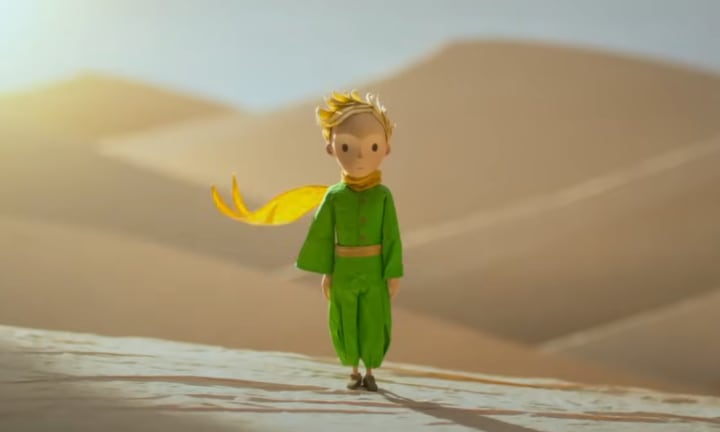
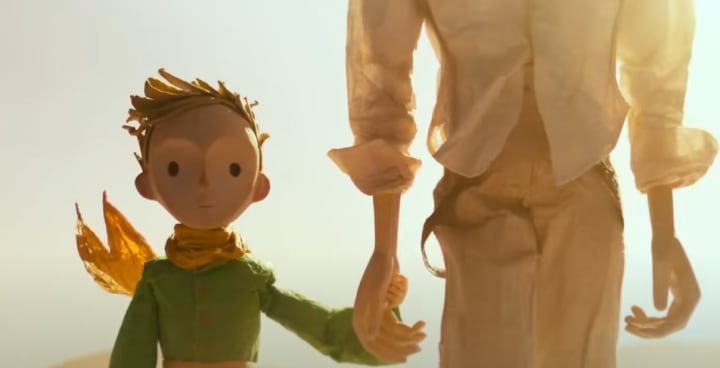
The story begins with a narrator, a pilot stranded in the Sahara Desert, who meets a mysterious boy – the Little Prince. As the two bond, the Little Prince recounts his travels from his home asteroid (B-612) to various other planets, each inhabited by a single adult character who embodies different flaws of grown-up society.
Though written in simple language, The Little Prince is deeply philosophical. Through the Little Prince’s innocent observations, the story criticizes adult behavior while celebrating the purity of childhood imagination.
Major Themes in The Little Prince
1. The Absurdity of Adult Behavior
A central theme of The Little Prince is the critique of the way adults lose sight of what truly matters. On his journey, the Prince meets a king, a vain man, a drunkard, a businessman, a lamplighter, and a geographer. Each adult character represents a different societal absurdity—power, pride, escapism, materialism, blind obedience, and academic detachment.
These characters show how adults often focus on meaningless pursuits, unlike children who value connection, curiosity, and imagination. The book suggests that grown-ups forget the essential truths that are “invisible to the eye.”
2. The Importance of Relationships
Another key theme is the significance of love and personal connection. The Little Prince’s relationship with his rose on his home planet is the emotional heart of the story. Though the rose is vain and difficult, the Prince learns that love involves responsibility, understanding, and loyalty. His famous line, “You become responsible, forever, for what you have tamed,” reflects the depth of emotional bonds.
Later, his friendship with the fox further teaches him that true connection takes time and effort. It’s through these relationships that the Prince discovers what makes life meaningful.
3. Childhood vs. Adulthood
Saint-Exupéry constantly contrasts the innocence of childhood with the rigid logic of adulthood. The narrator recalls how adults dismissed his childhood drawing of a boa constrictor swallowing an elephant, saying it was just a hat. This symbolizes how adults lack imagination and see the world in limited, literal ways.
Children, on the other hand, see with the heart. The Little Prince’s questions and curiosity reflect a childlike wonder that challenges adult conventions and highlights the value of seeing the world through imaginative eyes.
4. Loss and Letting Go
Loss is a subtle yet powerful theme in the book. The Little Prince leaves his rose behind, eventually understands its importance, and must also say goodbye to the narrator and the Earth. These departures are not portrayed as purely sad but rather as part of a deeper understanding of love, memory, and spiritual growth.
The ending, where the Prince allows a snake to bite him so he can return to his planet, is symbolic of transformation. It shows how endings may lead to new beginnings, and that true connection survives physical separation.
Symbolism in The Little Prince
The story is filled with symbolic elements that add depth to its themes:
1. The Rose
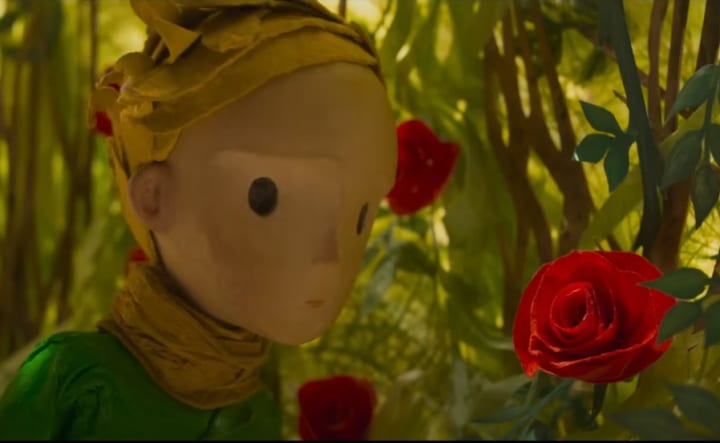
The rose symbolizes love, beauty, and fragility. At first, the Little Prince doesn’t understand her value. Only after exploring the universe does he realize that his rose is unique because of the time he spent caring for her. She represents the emotional complexity of relationships.
2. The Baobabs
Baobab trees threaten to destroy the Prince’s planet if not removed early. They symbolize problems or bad habits that, if ignored, can grow uncontrollably. This metaphor teaches the importance of self-awareness and proactive responsibility.
3. The Fox
The fox is perhaps one of the most philosophical characters in the story. He teaches the Prince about “taming”—building meaningful connections. The fox’s lesson that “what is essential is invisible to the eye” encapsulates the book’s core message about love and perception.
4. The Stars
Stars are a recurring image, symbolizing both mystery and spiritual connection. After the Prince leaves, the narrator finds comfort in looking at the stars, imagining the Prince’s laughter. This creates a feeling of eternal presence, even in absence.
5. The Snake
The snake represents both death and return. When the Prince allows the snake to bite him, it is not an end but a transition—a way to return to his beloved rose. It reflects a peaceful view of death as a necessary part of the journey.
Character Analysis
1.The Little Prince
The Little Prince is the embodiment of innocence, curiosity, and wisdom. Despite his youthful appearance, he asks profound questions and sees through superficial things. His journey mirrors the human search for meaning, love, and belonging.
2. The Pilot (Narrator)
The pilot serves as both the storyteller and a character in transformation. Through his friendship with the Prince, he reconnects with his inner child and rediscovers the wonder he had lost. His growth is a metaphor for anyone rediscovering forgotten truths.
3. The Rose
Though she appears only briefly, the Rose has a lasting impact on the Prince. She is both a source of joy and sorrow, showing how love can be both fragile and strong. Her complexity mirrors the emotional intricacies of real-life relationships.
4. Philosophical Insights
Saint-Exupéry, himself a pilot and philosopher, infused The Little Prince with existential and spiritual ideas. The book suggests that true understanding requires seeing beyond the visible world. It invites readers to question materialism, embrace emotional connections, and live authentically.
Moreover, the story explores the idea that love and meaning are not found in grand accomplishments but in the simple, quiet moments shared with others. As the fox says, “It is the time you have wasted for your rose that makes your rose so important.”
The Lasting Legacy of The Little Prince
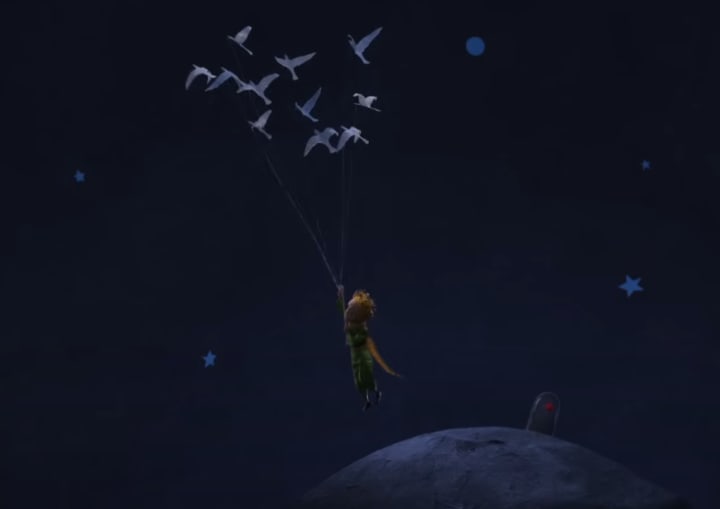
Since its publication, The Little Prince has been translated into over 500 languages and sold more than 200 million copies. It remains one of the most cherished books across generations and cultures.
Its enduring popularity lies in its ability to speak to both children and adults. For children, it is a magical adventure with talking animals and planets. For adults, it is a mirror that reflects their forgotten dreams and deeper longings.
Whether read as a fairy tale, a philosophical treatise, or a reflection on human relationships, The Little Prince continues to inspire readers to see the world with kinder, more curious eyes.
Conclusion
The Little Prince is a timeless masterpiece that invites us to remember what truly matters: love, connection, and the courage to see with the heart. Through simple words and symbolic storytelling, Saint-Exupéry crafted a tale that continues to resonate with readers around the globe. Its message is as relevant today as ever—reminding us that “only the heart can see rightly,” and that the most essential truths are invisible.
About the Creator
pestosol
Hi.
I am Hmimda 30 years old From Algeria. I am a blogger. I like to share articles about decoration and designs
My New Book is Finally Here
My poetry collection Beautiful and Brutal Things is done. It's actually done and finally published over 270 pages. Over a year of my life went into this book. More than a year, really. Long days at my computer, sometimes seven days a week because I couldn't stop even when I probably should have. Then two months of editing that felt harder than the writing itself. But it's finished, and I'm still standing, and the book is real.
By Tim Carmichael2 days ago in BookClub
Valentine in Montréal
Don't be fooled by the title. The story is actually very interesting: My name is Valentine. I am twenty-three years old and I work at a little store at Berri-UQAM métro. I am very ordinary-looking and Barney, who works the same shift as me at the store, says I do not know how to dress. I have been working there for four years, and I have never missed a day. This is why sometimes I seem familiar to people, even though they can't place me.
By Kendall Defoe 5 days ago in BookClub


Comments
There are no comments for this story
Be the first to respond and start the conversation.