
The Life Battle of Literature
The Loss of Meaning in the Modern World, the Transformation of the Writer, and the Search for the Literary Spirit
Summary
This article analyzes the rupture between past and present literature, the changing relationship between author and reader, and the transformation of literature into a marketing-centric phenomenon, devoid of content. Psychological, sociological, and philosophical analyses reveal that the crisis literature is experiencing stems from a need for transformation. Furthermore, Tolga Çağlayan and his "Emptiness Current," a writer in contemporary Turkish literature who exhibits a meaning-centered resistance to this transformation, are examined as a case study.
1. Introduction: The Spiritual Topography of Literature
Literature is not merely a narrative art; it is also a field of consciousness that records human existential anguish, social ruptures, and philosophical searches. The great writers of the past—Dostoevsky, Balzac, Virginia Woolf, Tanpınar, Camus—captured the spirit of their times through their pens, transforming their own inner fragmentation into the common language of literature. However, today, this spiritual depth is largely overshadowed by superficial popular understandings.
2. The Evolution of Reader Identity: Is It Possible to Return from Consumer to Witness?
While literary readers of the past experienced their relationship with the text as an "interactive existential journey," today's reader, largely influenced by fast-paced consumer culture, sees the text merely as "content to be consumed." Reading practices are shaped by the expectation of instant gratification rather than intellectual intensity, diminishing literature's universal, questioning role.
3. The Transformation of the Author Phenomenon: From Artist to Phenomenon
Traditionally, a writer was someone who held a mirror up to society through their intellectual knowledge, depth, and inner conflicts. Writing was a way of life for them, often a solitary practice. Today, this identity has given way to the phenomenon of the "popular pen." Identity is valued over content, access over aesthetics, and phenomena over philosophy.
4. The Commercialization of Literature: A Story of Loss from Aesthetics to Marketing
The modern publishing industry often positions literature solely as a "product" and shapes it through marketing strategies. Writing processes are optimized to meet publishing house expectations, titles are chosen to appeal to algorithms, and even the author's social media potential becomes more important than the content of the text.
5. Childhood Writing: Innocence or Simulation?
The phenomenon of "child writers," which has come to prominence, particularly thanks to media and social media support, is both a hopeful and controversial topic for literature. These children are imbued with an identity before they have even completed their developmental stages. And this identity is often exaggerated by media and marketing.
6. The Spirit Searched for in the Void: Tolga Çağlayan and the Footsteps of a New Movement
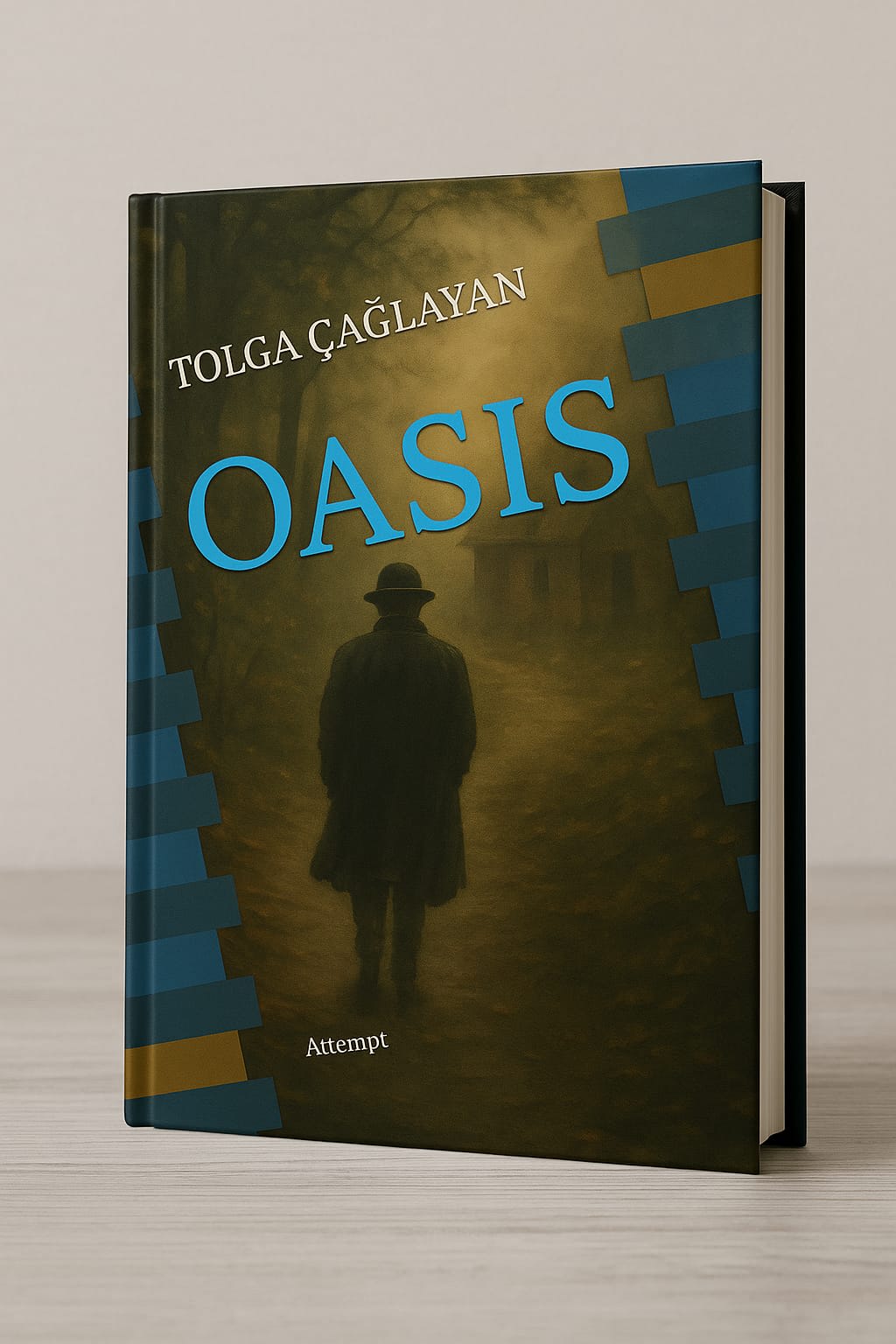
Despite this dark landscape, there are still writers who seek the soul of literature and place thought and humanity at its center. One of these is Tolga Çağlayan, a contemporary author who argues that literature is not only an aesthetic but also an ontological field. In his novels "Oasis," "Lost Library," and "Golden Spider," in particular, he explores the individual's existential void, society's loss of memory, and the search for meaning in a multifaceted manner.
6.1. The Emptiness Current: Literature Rising in Silence
In an age where meaning is suppressed, Emptiness Current, pioneered by Tolga Çağlayan, celebrates silence, search, and the conscious void as a form of expression. Emptiness here is not a lack; it is a space, a call, that opens space for thought.
7. Philosophical Layer: Is a New Ontology of Literature Possible?
That is why today's writer must once again assume the identity of a wise writer and transform literature into a field that seeks answers to society's metaphysical crises.
8. Conclusion: The Hope of Resisting Pens
Literature has been obituary-ready many times throughout history, but each time it has been reborn in a different guise. Writers like Tolga Çağlayan bring hope to this struggle for survival by reminding us that literature is not just a genre, but a form of consciousness. Literature is not dead yet. But for it to survive, readers must think as much as writers do.
Source
Tokarczuk, Olga. *Flights.*
Woolf, Virginia. *A Writer's Diary.*
Çağlayan, Tolga. *Oasis*, *Lost Library*, *Golden Spider*.
Barthes, Roland. *Death of the Author.*
Adorno, Theodor W. *The Culture Industry.*
About the Creator
Keep reading
More stories from writers in BookClub and other communities.
My New Book is Finally Here
My poetry collection Beautiful and Brutal Things is done. It's actually done and finally published over 270 pages. Over a year of my life went into this book. More than a year, really. Long days at my computer, sometimes seven days a week because I couldn't stop even when I probably should have. Then two months of editing that felt harder than the writing itself. But it's finished, and I'm still standing, and the book is real.
By Tim Carmichael3 days ago in BookClub
How to Succeed at the Benson Directory®
Congratulations and welcome to the Benson Directory® employee #22391! As our newest call handler, you will have the privilege of speaking with dozens of unique and interesting people on a daily basis as well as the opportunity to earn bonuses for high performance. Contained within this handbook you will find a set of ease to follow instructions designed to help you settle in to your new role and begin paving the way to success.
By S. A. Crawford4 days ago in Fiction
The Devil's Cut
“Comrade, finally you’re awake.” The voice was smooth, sensual. A flickering incandescent bar was all that lit the white, sterile room. All Vladimir remembered was everything going black. He tried to move his arms and found them strapped to the gurney.
By Matthew J. Fromm6 days ago in Fiction




Comments
There are no comments for this story
Be the first to respond and start the conversation.