

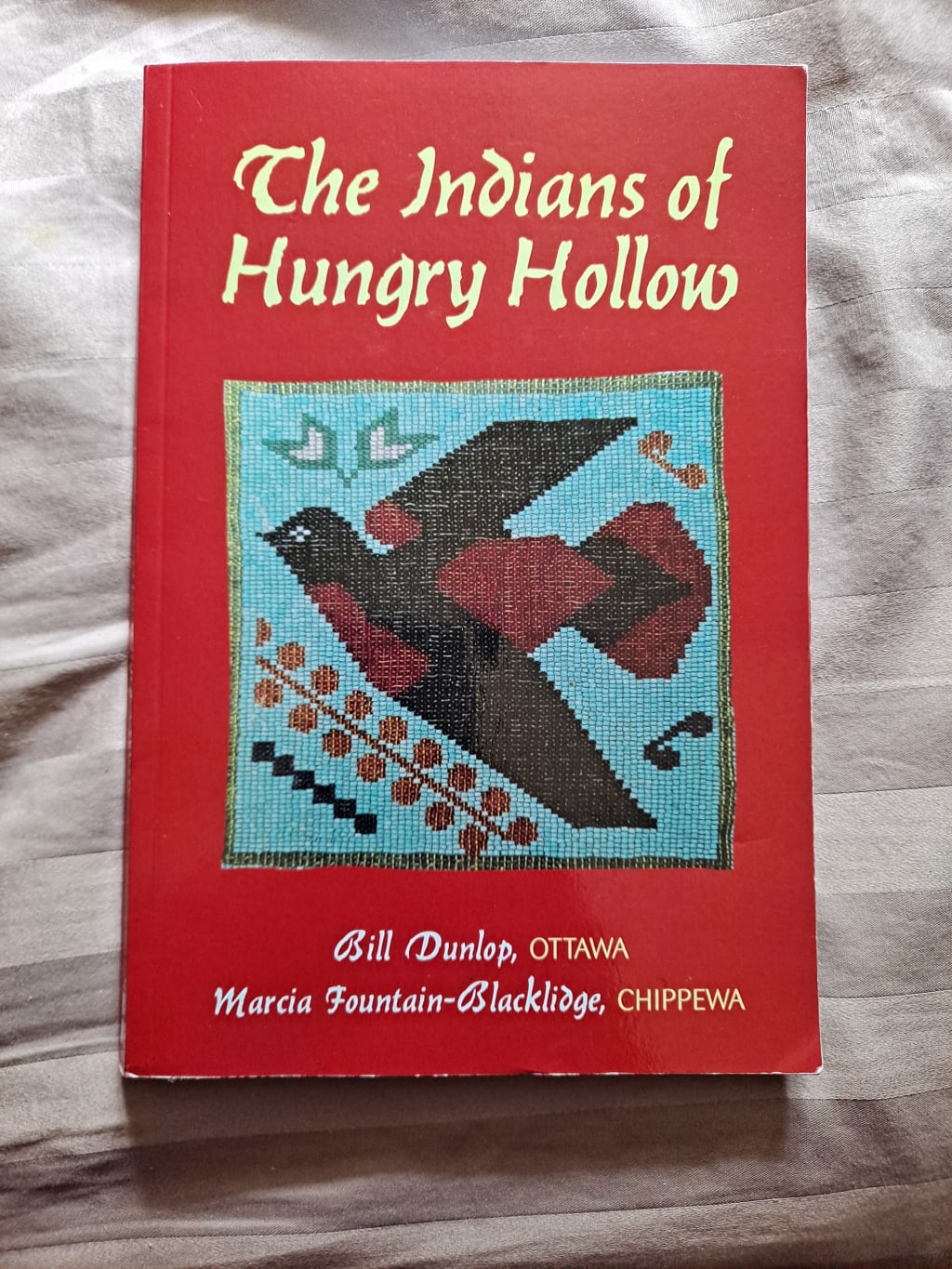
In my book collection, I often visit this book. I won't use it as a primary source but one I would go to in order to investigate the inner families dynamics of the Native Americans. Bill Dunlop and Marcia Fountaian-Blacklidge collaborated to record the stories of his youth.
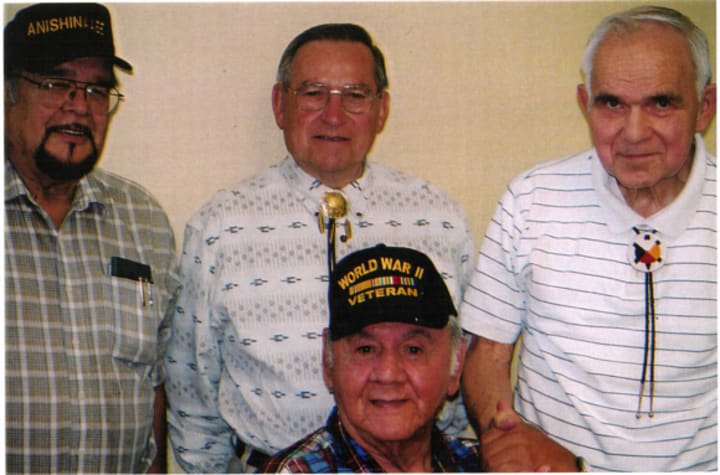
In this memoir, one would read about the life of the Native Americans in the depression era. Bill Dunlop shared stories of his youth and the life that he and his buds shared. As you can see by the picture of the men who were the Sheridan Street Rats, they remained buddies their entire lives.
The Depression Era was hard for all individuals but being Native American during this time was harder. Bill Dunlop shared his memories that including society in the area of Sheridan Street in Petoskey Michigan. In that time, the Natives lived in tarpaper shacks that lined the street. My Uncle Simon lived on the next street over from Bill but the area could be counted in the area of the Hungry Hollow. The stories of the depression was interesting to read for mom and uncle spoke of this time of life. Depression Era for the Indians was difficult but the communities worked together to make sure all could survive.
One can not be sure that all of Bill's stories are true but as I read the book, Uncle Simon's stories backed up parts of the book that Bill wrote of. One story uncle confirmed is how the boys would float down the river on slabs of ice. Mother's memories of the first bump jumper was brought to life as I read the story about how Bill's father made their bump jumper. His tale of Christmas matched the tales my mother spoke of. Where his tales true? One will never know but the environment is correct as well as the hardships this group of Natives experienced.
Memoirs are not primary sources but as a secondary source, this book is a fun read to get a good take of the poverty experienced during this time period. The Work project Administration (WPA) was a program that assisted families with means as the men worked in camps to provide relief to their families and society. I can confirm that John Kewaygoshkum was one of Bill's friends in the WPA camp with the Kewaygoshkum collection located with the Little Traverse Bay Bands of Odawa Indians. Reading his memory brought to life what the (WPA) camp life was like. Bill's story was the secondary source and my research is the primary source.
When reading this book, just allow yourself to enjoy his memory and follow up with your own research. If life stays as good, I intend to parlay mom's and uncles stories to enhance Bill's experience. Unfortunately, this too will be a secondary source. However, the stories shared in my past was brought to life more by the support of mom's and uncles memories too. It should be fun.
About the Creator
Sheila L. Chingwa
Welcome to my world.
Welcome to my thoughts.
I am proud to be a Native American Elder born and raised in Northern Michigan. Thanks to my hard work I have a B.A. in Education and a Masters in Administration and Supervision in Education.
Reader insights
Outstanding
Excellent work. Looking forward to reading more!
Top insights
Expert insights and opinions
Arguments were carefully researched and presented
Eye opening
Niche topic & fresh perspectives
Heartfelt and relatable
The story invoked strong personal emotions
Keep reading
More stories from Sheila L. Chingwa and writers in BookClub and other communities.
Greenwood Cemetery
A writer’s world is never easy to navigate, especially during writer’s block. When this occurs, I turn to my research in Native American studies. When I was working as an archivist, I was introduced to a website called, Greenwood Cemetery. This is a local cemetery that has amazing newspaper archives of my area starting from 1875 to the current news. Today, I would like to talk about this great resource and how I use it for inspiration to write and defeat writer’s block.
By Sheila L. Chingwa2 years ago in Writers
The Other Woman in My Marriage Wasn’t a Stranger
When I first picked up "MY HUSBAND'S WIFE" book to read, I expected a dramatic story about betrayal and rivalry. The title suggests something bold and emotional, but what I found instead was a much more reflective and human narrative. This is not just a story about two women connected by one man. It is a story about how people understand themselves through love, memory, and comparison.
By Rosalina Janeabout 14 hours ago in BookClub




Comments (1)
I've never read a memoir before but this seems like a good place to start!