
The Hedgehog’s Dilemma: How to Not Be Alone
Our desire for safety hurts us in the long run

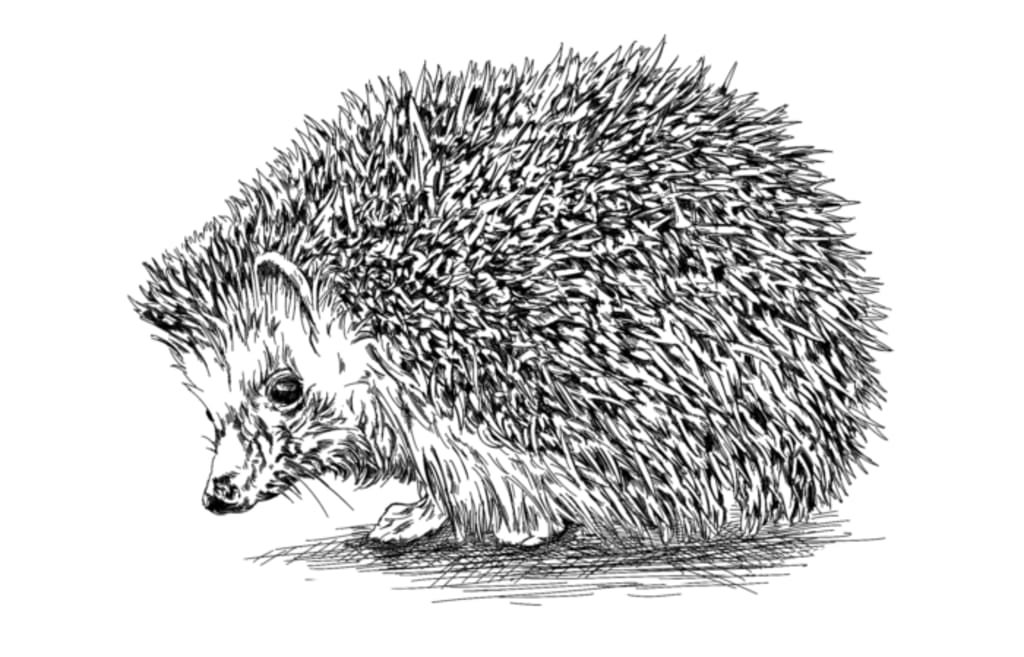
The Hedgehog’s Dilemma: How to Not Be Alone
In the middle of the 19th century, German philosopher Arthur Schopenhauer wrestled with a timeless question: Why do people seek relationships when they so often lead to pain? His search for answers gave birth to a powerful parable known as “The Hedgehog’s Dilemma.”
It begins with a vivid scene:
> One cold winter’s day, a number of hedgehogs huddled together quite closely in order, through their mutual warmth, to prevent themselves from being frozen. But they soon felt the effect of their quills on one another, which made them again move apart. Now, when the need for warmth once more brought them together, the drawback of the quills was repeated so that they were tossed between two evils, until they had discovered the proper distance from which they could best tolerate one another.
Schopenhauer’s hedgehogs embody the paradox of human relationships. Like the hedgehogs seeking warmth, we crave connection, intimacy, and belonging. But just as their quills inflict pain when they draw too close, so too do our flaws, insecurities, and conflicts injure one another when we get too intimate. The result is a painful dance between closeness and distance—an endless struggle to find the “proper distance” that allows for connection without harm.
The Paradox of Connection
The dilemma Schopenhauer outlines is universal. We’ve all experienced moments when the very people we love seem to hurt us the most. Whether it’s a misunderstanding with a close friend, an argument with a partner, or feeling abandoned by someone we trusted, the sting of human interaction can make us question whether closeness is worth it at all.
And yet, the alternative—total isolation—feels unbearable. Loneliness has a chilling effect on the soul, just as the winter cold does on Schopenhauer’s hedgehogs. So, we oscillate between two extremes: pulling people close enough to feel their warmth but not so close that we expose ourselves to their sharp edges.
But is there a way out of this dilemma? Can we navigate human relationships without falling into the traps of loneliness or emotional pain? The answer lies in understanding the balance between vulnerability and self-protection.
Learning From the Hedgehogs: The Proper Distance
The hedgehogs in Schopenhauer’s story eventually find a solution—they discover the “proper distance” where they can stay close enough to share warmth but far enough to avoid each other’s quills. For humans, this metaphorical distance isn’t physical; it’s emotional and psychological.
To find this balance, we must first confront our own vulnerabilities. Often, the pain we feel in relationships comes not just from the actions of others but from the expectations, insecurities, and fears we bring into those connections. When we’re overly reliant on others for validation or happiness, their inevitable imperfections can feel like sharp quills piercing our emotional defenses.
The solution isn’t to build walls or shut people out but to cultivate emotional resilience. By developing a strong sense of self-worth and independence, we can approach relationships from a place of abundance rather than neediness. This allows us to engage with others without becoming overly dependent on their actions or approval.
The Courage to Be Vulnerable
One of the greatest challenges in relationships is the fear of vulnerability. Letting someone see your true self—flaws, insecurities, and all—can feel like handing them a weapon they might use to hurt you. But as researcher Brené Brown famously said, “Vulnerability is the birthplace of love, belonging, joy, courage, empathy, and creativity. It is the source of hope.”
To connect deeply with others, we must be willing to take the risk of being hurt. This doesn’t mean ignoring red flags or tolerating toxic behavior. Instead, it means trusting that the people who truly care for us will handle our vulnerabilities with care. It also means forgiving ourselves and others when mistakes happen because no relationship is perfect.
Boundaries: Protecting Yourself Without Isolation
Finding the “proper distance” also involves setting healthy boundaries. Boundaries aren’t about keeping people out—they’re about creating a safe space where both parties can thrive. They allow us to communicate our needs, respect our limits, and maintain a sense of autonomy within our relationships.
For example:
If a friend constantly interrupts you, setting a boundary might involve calmly expressing how it makes you feel and asking them to listen more attentively.
In a romantic relationship, boundaries could mean discussing what behaviors make you feel valued and what actions feel disrespectful.
Boundaries empower us to engage with others without losing ourselves. They’re the emotional equivalent of the hedgehogs maintaining just enough distance to avoid being hurt.
The Role of Empathy
Another key to navigating the Hedgehog’s Dilemma is empathy. Just as we fear being hurt, others carry their own fears, insecurities, and pain. Understanding that everyone has their own “quills” can help us approach relationships with compassion rather than defensiveness.
Empathy allows us to see past the sharp edges and recognize the shared humanity in others. It reminds us that everyone is doing their best with the tools they have, even when they fall short.
The Courage to Stay
Sometimes, the greatest act of bravery is staying in relationships even when they’re difficult. It’s tempting to retreat at the first sign of conflict or discomfort, but true connection requires perseverance.
This doesn’t mean tolerating abuse or neglect, but it does mean accepting that all relationships involve challenges. Disagreements, misunderstandings, and moments of frustration are inevitable, but they’re also opportunities for growth. By working through these moments with patience and humility, we strengthen our bonds and deepen our understanding of one another.
How to Not Be Alone
The Hedgehog’s Dilemma teaches us that avoiding loneliness doesn’t mean avoiding pain. Instead, it’s about learning how to navigate the complexities of human connection with grace and courage.
Here are some strategies for finding that balance:
1. Embrace Vulnerability: Allow yourself to be seen, even if it feels risky. True connection requires authenticity.
2. Cultivate Self-Love: Build a strong foundation of self-worth so that your happiness doesn’t depend entirely on others.
3. Set Healthy Boundaries: Protect your emotional well-being without shutting people out.
4. Practice Empathy: Recognize that everyone has their own struggles and approach relationships with compassion.
5. Stay Open: Don’t let fear of pain prevent you from seeking connection. The rewards of meaningful relationships outweigh the risks.
A Final Thought
In the end, the Hedgehog’s Dilemma reminds us that life is a delicate dance between connection and independence. It’s a journey of trial and error, of learning when to pull people close and when to step back.
We’ll never fully escape the pain of relationships, but we don’t have to let it define us. By embracing vulnerability, setting boundaries, and practicing empathy, we can create connections that warm us without wounding us.
And in those moments of warmth, we’ll find the courage to face the cold together.
About the Creator
O2G
I am a storyteller exploring love, resilience, and self-discovery. Through relatable tales, I aim to inspire reflection, stir emotions, and celebrate the courage and beauty in life’s complexities.
TYLER ROBINSON
JOHN BROWN V. HITLER High Legal Threshold Not Met In a world often divided by prejudice and misunderstanding, the meeting of two seemingly opposing figures, Tyler and Charlie, became a pivotal moment in their lives. Tyler, known for his compassionate heart, found himself in a position that challenged his beliefs and values. Charlie, who had lived a life filled with controversy and conflict, represented a past that many wished to forget. Yet, in this extraordinary encounter, Tyler saw an opportunity for redemption and forgiveness that could transcend their differences.
By Organic Products about 3 hours ago in BookClub




Comments
There are no comments for this story
Be the first to respond and start the conversation.