
The Girl Who Remembered Sleep
In a sleepless world, dreams became forbidden.
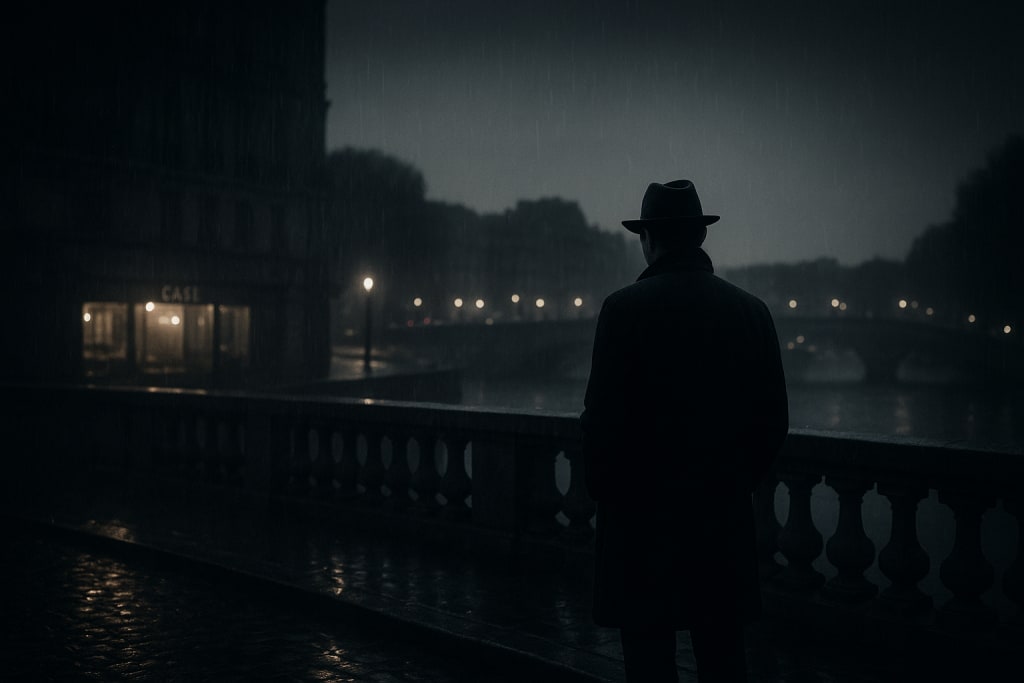
It had been thirty years since the last dream.
When the biotech company LucidCorp released the Nocturna Pill, humanity celebrated. One small capsule erased the need for sleep — no fatigue, no nightmares, no wasted hours. People became endlessly productive, working, studying, and creating 24 hours a day.
The world thrived — at first.
Cities glowed with perpetual light. Factories never closed. Children learned calculus by age six. There was no time to rest, and no reason to stop.
But something was missing.
People stopped imagining. Art became mechanical, conversations robotic. No one laughed without purpose. And though no one slept, everyone looked tired.
Mira, a 23-year-old architect, was born into this new sleepless era. She had never known dreams, yet sometimes, while staring at the empty sky, she felt something deep inside — a flicker of color she couldn’t name.
One night, her implant malfunctioned. The pill’s effect faded, and for the first time in her life, she closed her eyes… and slept.
She dreamed of impossible things — floating cities, oceans made of stars, a child’s laughter echoing through clouds. When she woke up, she was crying. The sensation was overwhelming, terrifying, beautiful.
The next morning, her world felt dull and cold. She told her coworkers about it, but they laughed. “Dreams are side effects,” they said. “Malfunctions.”
Still, she couldn’t forget.
Mira began skipping her pills, secretly sleeping every few nights. Each dream was different — sometimes joyful, sometimes sad — but each one made her feel more alive.
Soon, she wasn’t alone. Others started refusing Nocturna. They met in secret, calling themselves Dreamers. They painted murals of things they saw in their sleep — dragons, lost loves, suns that smiled.
LucidCorp called it “a mental virus.” They began hunting and reprogramming anyone caught sleeping.
On the night of her arrest, Mira smiled as the agents broke down her door. “You can take my body,” she whispered, “but not what I’ve seen.”
That night, millions of people across the world stopped taking their pills. For the first time in decades, the planet went dark — and silent — as humanity remembered the ancient rhythm of breath and dreaming.
And in the stillness, they began to dream again.
About the Creator
Keep reading
More stories from GoldenSpeech and writers in BookClub and other communities.
Rachel Reviews: Lakefront Wolves by Joseph Deegan
Meet Finn. He's an 18 year old kid who has potential. He's bright with great school scores and he's also an athlete, a footballer of some prowess. He has it all going for him, it would seem, and yet, he's determined to send what could be a well-planned, stable existence firmly off the rails. He drinks, he smokes, he takes drugs, he has violent tendencies and he's in danger of losing not only his mind but all that he holds dear.
By Rachel Deeming14 days ago in BookClub
7 Books With Brilliant Ideas You'll Be Thinking About All Year
The most powerful books do more than tell stories or deliver information—they plant brilliant ideas that reshape how we see the world, our work, our relationships, and even ourselves. These are the books that spark conversations, inspire action, and linger in our minds long after we close them.
By Diana Meresc6 days ago in BookClub


Comments
There are no comments for this story
Be the first to respond and start the conversation.