
“The Dawn of Tomorrow”
A Journey of Redemption, Innovation, and Humanity's Fight to Reclaim Earth
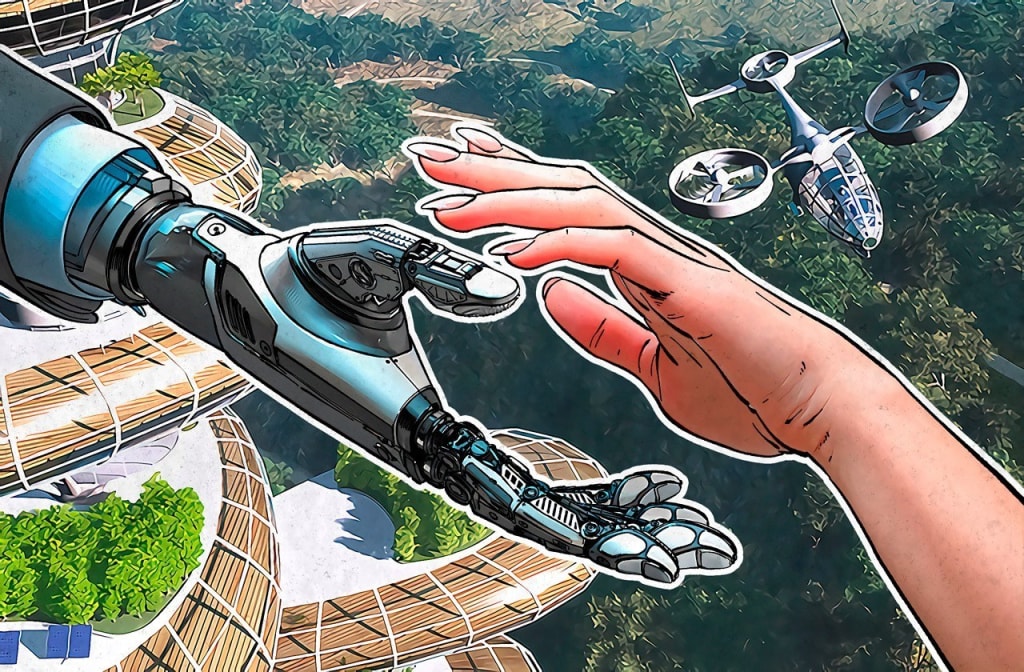
The year is 2050. Earth is a kaleidoscope of contrasts—stunning advancements alongside haunting scars of a troubled past. The cities gleam with bioluminescent architecture, powered by quantum energy grids. The air is clean, the skies azure, and yet the weight of history is etched into every innovation.
In this world lived Kiana Reyes, a 27-year-old genetic programmer and bioengineer. Her focus? The future of humanity itself. She worked at Lumina Labs, a pioneering research institute based in New Manila, a city that floated on the Pacific, tethered by self-sustaining eco-pods. Here, nature and technology danced in harmony—coral reefs intertwined with graphene infrastructure, solar petals blossomed at dawn to capture energy, and rainwater ran through purification veins embedded in streets.
But not everything was perfect.
Kiana’s father, a climate refugee from 2025, always reminded her of the fragility beneath the beauty. “What’s lost, my child, is irreplaceable. What’s built, though, can be improved.” Those words resonated as Kiana worked on Project Aurora, a daring experiment to terraform Mars.
A Meeting of Minds
One brisk morning, Kiana received an encrypted message:
“There is no future without roots. Meet me at the Axis Spire tonight. - L.”
Axis Spire was New Manila’s neural hub, a monument to human connection. Inside, people could experience shared memories, learn entire disciplines in hours, or even simulate lifetimes within moments. It was also heavily monitored.
Curiosity and caution mingling, Kiana arrived just after dusk. The spire glowed faintly, its facade rippling with projections of historical events—a poignant reminder of humanity’s journey. She saw a shadow emerge from the holographic haze.
“Lennox,” she breathed.
Lennox, a former AI ethicist turned activist, had vanished three years ago after exposing the dangers of cognitive clouding—a technology that blurred lines between human and artificial consciousness. He was a ghost in the machine, a voice that wouldn’t be silenced.
“Kiana,” he greeted, his voice laced with urgency. “Aurora is a trap.”
She stared, her mind racing. “A trap? It’s humanity’s hope. Mars is our second chance.”
Lennox shook his head. “It’s a diversion. While we focus on a distant planet, Earth’s foundations crumble. The quantum grids are destabilizing. Aurora’s resources are draining the planet dry.”
Kiana felt the ground shift beneath her convictions. “But… if we don’t leave, Earth won’t sustain us.”
“That’s the narrative they feed you,” Lennox said. “But there’s another way—one they don’t want us to see.”
Seeds of Hope
Lennox led her to a hidden lab on the outskirts of New Manila. Inside, lush greenery thrived under a canopy of artificial sunlight. Bioluminescent vines coiled around the walls, and a faint hum of energy vibrated in the air.
“This is Eden-12,” Lennox explained. “A living system that heals Earth. It doesn’t terraform planets; it terraforms home.”
Kiana was awestruck. The technology combined genetic programming with nanotechnology, creating microorganisms that could purify soil, regenerate forests, and even cool the atmosphere.
“But why hide this?” she asked, anger rising.
“Because Eden-12 doesn’t generate profit. Corporations control Aurora because it guarantees dependency—an endless cycle of investment and exploitation. Eden frees us.”
A Choice to Make
Days turned into weeks as Kiana dove into the depths of Eden-12. She saw its potential, but she also saw the risk. Releasing the system would disrupt global economies, uproot power structures, and provoke fierce resistance.
As Lumina Labs prepared to launch Aurora’s final phase, Kiana faced a dilemma: Should she expose Eden-12, risking chaos but offering a path to salvation, or continue with Aurora, ensuring short-term stability but dooming Earth in the long run?
The night of the Aurora launch, Kiana made her decision.
The Broadcast
In a dramatic turn, Kiana hacked into Axis Spire’s neural network. As millions across the globe tuned in to watch the Aurora launch, their screens flickered, replaced by Kiana’s face.
“My name is Kiana Reyes. For years, I believed Aurora was humanity’s hope. But the truth is, our future lies not in the stars, but here, on Earth.”
She revealed Eden-12 to the world, detailing its capabilities and the hidden agenda behind Aurora. The broadcast was short-lived—security forces stormed the spire—but the message had been delivered.
A New Horizon
Kiana disappeared that night, becoming a symbol of resistance. Her actions sparked a global movement. People demanded Eden-12’s release, forcing governments and corporations to adapt. The path was tumultuous, filled with setbacks and sacrifices, but change began.
By 2055, Earth was healing. Eden-12 systems spread like veins of hope, restoring balance to the planet. Mars still beckoned, but it was no longer humanity’s escape—it was an option, not a necessity.
Kiana’s father’s words echoed through the years: “What’s built can be improved.”
The year is 2050. Earth stands as a kaleidoscope of contrasts—stunning advancements shimmering alongside haunting scars from a troubled past. Cities now gleam with bioluminescent architecture powered by quantum energy grids. The air is clean, the skies azure, and yet the weight of humanity's history is etched into every innovation.
In this rapidly evolving world lived Kiana Reyes, a 27-year-old genetic programmer and bioengineer. Her focus? The survival of humanity itself. She worked at Lumina Labs, a pioneering research institute nestled in New Manila, a floating city on the Pacific Ocean tethered by self-sustaining eco-pods. Here, nature and technology waltzed in perfect harmony. Coral reefs intertwined with graphene infrastructure, solar petals blossomed at dawn to capture energy, and purified rainwater coursed through street veins lined with nanotech filters.
But behind this façade of harmony lay shadows.
Kiana’s father, a climate refugee displaced during the Great Climate Collapse of 2025, often reminded her of the fragility beneath this newfound beauty. His words, spoken with quiet conviction, echoed in her mind:
“What’s lost, my child, is irreplaceable. What’s built, though, can be improved.”
These words fueled her commitment to Project Aurora, a daring initiative to terraform Mars. For Kiana, Mars was humanity’s second chance—a blank slate to rebuild on and escape Earth's inevitable decline. Or so she believed.
A Meeting of Minds
One brisk morning, Kiana received an encrypted message on her holo-tablet:
“There is no future without roots. Meet me at the Axis Spire tonight. - L.”
The Axis Spire, New Manila's neural hub, was a marvel of human connection. Here, citizens could share memories, master entire disciplines in hours, and even simulate lifetimes within moments. But it was also heavily monitored—a monument to progress, but with eyes everywhere.
Kiana hesitated, yet curiosity overpowered caution. She arrived at the Spire just as the sun dipped below the horizon, casting hues of orange and purple over the floating city. The Spire glowed faintly, its façade rippling with holographic projections of humanity’s history—a poignant reminder of its triumphs and failures.
From the haze of holograms, a shadow emerged. Kiana froze as the figure stepped forward.
“Lennox,” she whispered, her voice betraying equal parts shock and relief.
Lennox, once a celebrated AI ethicist, had vanished three years ago after exposing the dangers of cognitive clouding—a controversial technology that blurred the lines between human and artificial consciousness. Branded a fugitive, he had become a ghost in the machine, a voice of dissent against unchecked progress.
“Kiana,” he greeted, his voice heavy with urgency. “Aurora is a trap.”
She stared at him, her mind racing. “A trap? No, it’s humanity’s hope. Mars is our second chance!”
Lennox shook his head, his expression grave. “It’s a distraction. While we focus on building a distant utopia, Earth’s foundations crumble. The quantum grids are destabilizing, Kiana. And Aurora’s resource demands are draining the planet dry.”
His words struck her like a thunderbolt. “But… if we don’t leave, Earth won’t sustain us. We have no choice.”
“That’s the narrative they’ve fed you,” Lennox countered. “But there’s another way—one they don’t want you to see.”
Seeds of Hope
Lennox led Kiana to a hidden lab on the outskirts of New Manila. The place was a stark contrast to the sterile labs of Lumina—alive with lush greenery. Bioluminescent vines spiraled up the walls, and artificial sunlight bathed the room in a golden glow. A soft hum of energy resonated, as if the lab itself were alive.
“This is Eden-12,” Lennox explained, gesturing to the vibrant ecosystem around them. “It’s not just a lab. It’s a living system that can heal Earth. We don’t need to terraform other planets—we can terraform home.”
Kiana stood in awe, studying the technology. Eden-12 combined genetic programming and nanotechnology to create microorganisms capable of purifying soil, regenerating forests, and even stabilizing atmospheric temperatures.
“But why hide this?” she asked, anger rising.
“Because it doesn’t generate profit,” Lennox said bluntly. “Aurora guarantees dependency—an endless cycle of investment, exploitation, and control. Eden-12 frees humanity from all that.”
A Choice to Make
Weeks turned into sleepless nights as Kiana dove into the depths of Eden-12’s research. Every discovery reinforced its potential, but also the risks it posed. Releasing Eden-12 would disrupt global economies, destabilize governments, and threaten the power structures that clung to control.
As Lumina Labs prepared for Aurora’s final phase—a global broadcast marking the beginning of Mars colonization—Kiana faced an agonizing dilemma:
Should she expose Eden-12, risking chaos but offering salvation? Or stay silent and continue with Aurora, dooming Earth for short-term stability?
The Broadcast
On the night of Aurora’s launch, Kiana made her choice.
As billions tuned in to witness the historic moment, their screens flickered. The triumphant countdown to Aurora’s ignition was abruptly replaced by Kiana’s face. Her voice, steady yet resolute, echoed across the globe.
“My name is Kiana Reyes. For years, I believed Aurora was humanity’s hope. But I was wrong. Our future doesn’t lie among the stars—it lies here, on Earth.”
She unveiled Eden-12, detailing its transformative capabilities and exposing the hidden agenda behind Aurora. She revealed how corporations had manipulated humanity’s desperation to escape, all while quietly siphoning the planet’s remaining resources.
The broadcast was cut short as security forces stormed the Axis Spire. But Kiana’s message had already spread like wildfire.
A New Horizon
Kiana vanished that night, becoming a symbol of resistance and hope. Her actions sparked a global movement. People demanded the release of Eden-12, forcing governments and corporations to adapt or collapse under mounting public pressure.
The path forward was tumultuous. Protests erupted, economies faltered, and those in power fought tooth and nail to suppress the technology. But change, though slow and painful, began to take root.
By 2055, Eden-12 systems spread across continents like veins of renewal, healing Earth’s scarred landscapes. Forests regenerated, cities embraced harmony with nature, and the planet began to breathe again.
Mars, once seen as humanity’s only salvation, remained an option—but no longer a necessity.
Kiana’s father’s words echoed through the years:
“What’s built can be improved.”
And so it was.
About the Creator
Keep reading
More stories from Deepak Kumar and writers in BookClub and other communities.
A Year, A Lesson: How Life’s Toughest Moments Revealed Its Greatest Truths
"Every storm runs out of rain; every dark night gives way to a brighter morning." Last year was not just another stretch of twelve months; it was a profound journey of transformation and resilience. It was a year that taught me lessons I hadn’t anticipated, and in the end, what I thought would break me turned out to be the foundation for rebuilding myself.
By Deepak Kumarabout a year ago in Confessions
Valentine in Montréal
Don't be fooled by the title. The story is actually very interesting: My name is Valentine. I am twenty-three years old and I work at a little store at Berri-UQAM métro. I am very ordinary-looking and Barney, who works the same shift as me at the store, says I do not know how to dress. I have been working there for four years, and I have never missed a day. This is why sometimes I seem familiar to people, even though they can't place me.
By Kendall Defoe 3 days ago in BookClub



Comments
There are no comments for this story
Be the first to respond and start the conversation.