
The Cracks in the Khan's Dominion
A review on "Bones of the Hills"


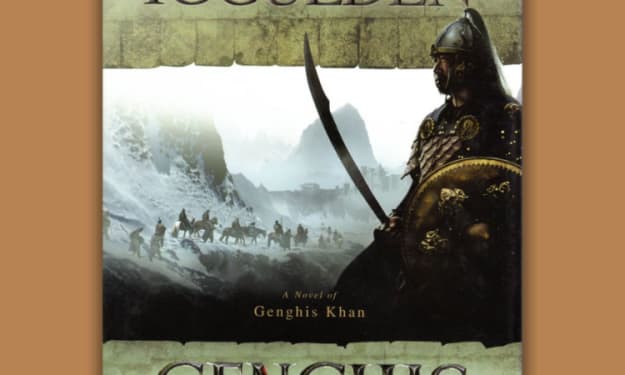
Conn Iggulden's "Bones of the Hills," the third installment in his Genghis Khan series, shifts the focus from the exhilarating triumphs of conquest to the challenges of maintaining a vast and rapidly expanding empire. The narrative delves into the complexities of leadership, the fragility of peace, and the ever-present threat of rebellion.
The book opens with Genghis Khan at the height of his power, having united the Mongol tribes and conquered vast territories. However, the challenges of ruling such an expansive empire soon become apparent. Iggulden portrays the difficulties of maintaining control over diverse populations and the constant threat of internal and external conflicts.
The narrative emphasizes the growing strain on the Mongolian army, stretched to its limits by the demands of maintaining order and defending the empire's borders. The torture and murder of emissaries, coupled with the violent rebuff of trade route efforts, highlight the growing resistance to Genghis Khan's rule.
Iggulden skillfully portrays the psychological toll of leadership. Genghis Khan, once a young warrior driven by ambition, now faces the burden of maintaining peace and stability. The narrative explores the complexities of his character, revealing his vulnerabilities and his struggles to balance his desire for conquest with the needs of his people.
The theme of rebellion and resistance is central to "Bones of the Hills." The book explores the various forces that threaten to destabilize Genghis Khan's empire, from internal dissent to external aggression. Iggulden portrays the challenges of maintaining control in a world where violence and treachery are commonplace.
The narrative also delves into the cultural clashes between the Mongols and the conquered populations. The book highlights the tensions that arise from imposing Mongol rule on diverse cultures and the difficulties of integrating disparate populations into a single empire.
Iggulden's writing remains vivid and engaging, immersing the reader in the sights, sounds, and smells of the Mongolian empire. The battle scenes are particularly well-crafted, conveying the brutality and chaos of warfare. However, the narrative also takes time to explore the political and social complexities of Genghis Khan's reign.
"Bones of the Hills" is a compelling portrayal of the challenges faced by even the most powerful leaders. It's a story of the fragility of empire, the cost of conquest, and the enduring struggle to maintain peace and stability. Iggulden's narrative effectively conveys the burdens that come with great power, and the ever-present dangers that threaten to undermine even the most formidable empires.
About the Creator
Morgana Steele
Old books, my happy place. Dreaming of adding my own stories to those cherished shelves. Working towards that goal, one word at a time, embracing the vulnerability. Join the adventure!
Keep reading
More stories from Morgana Steele and writers in BookClub and other communities.
A Masterclass in Conquest
Conn Iggulden's "Genghis: Lords of the Bow," the second installment in his Genghis Khan series, plunges readers into the heart of Temujin's (now Genghis Khan) military campaigns, showcasing his strategic genius and the relentless expansion of his burgeoning empire. The narrative shifts from the personal struggles of Temujin's youth to the grand-scale warfare that defined his legacy.
By Morgana Steele12 months ago in BookClub
Rachel Reviews: Lakefront Wolves by Joseph Deegan
Meet Finn. He's an 18 year old kid who has potential. He's bright with great school scores and he's also an athlete, a footballer of some prowess. He has it all going for him, it would seem, and yet, he's determined to send what could be a well-planned, stable existence firmly off the rails. He drinks, he smokes, he takes drugs, he has violent tendencies and he's in danger of losing not only his mind but all that he holds dear.
By Rachel Deeming13 days ago in BookClub
7 Amazing Books to Read When You're Feeling Lazy
We all have those moments when life feels slow, energy is low, and the idea of tackling dense, heavy books feels impossible. Yet, even on our laziest days, reading can still be one of the most rewarding ways to spend time. The trick lies in choosing the right books—stories that are engaging without being exhausting, inspiring without being overwhelming, and comforting without feeling trivial.
By Diana Meresc4 days ago in BookClub


Comments
There are no comments for this story
Be the first to respond and start the conversation.