
Summary: The Dead Zone by Stephen King
The Dead Zone, published in 1979, is one of Stephen King's early masterpieces, blending psychological horror with elements of science fiction and a gripping political thriller.

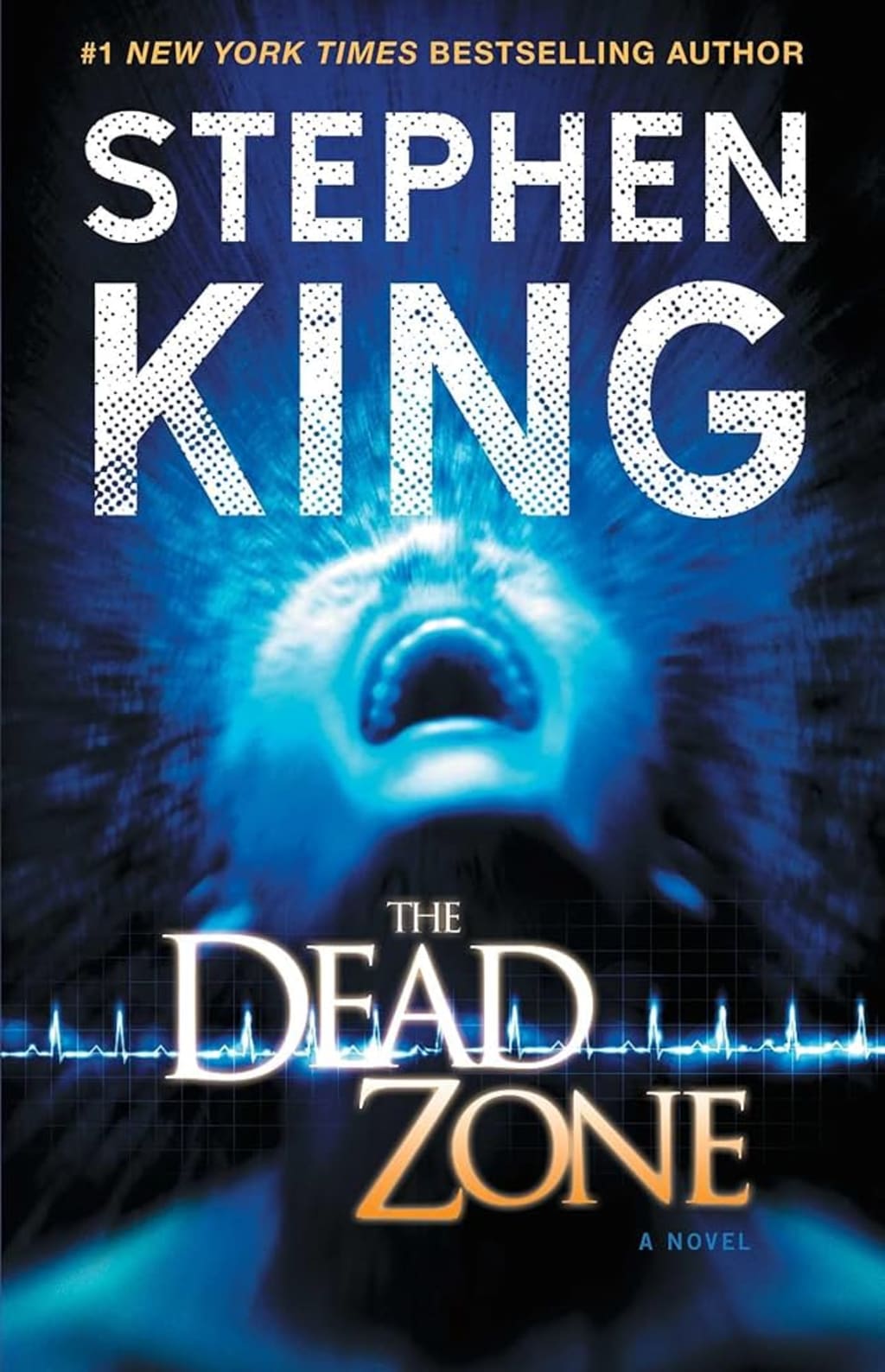
Get Your Free Book The Dead Zone Here:
The Dead Zone by Stephen King
The Dead Zone, published in 1979, is one of Stephen King's early masterpieces, blending psychological horror with elements of science fiction and a gripping political thriller. The novel tells the story of Johnny Smith, an ordinary man whose life takes an extraordinary turn after a near-fatal accident leaves him in a five-year coma. Upon awakening, Johnny discovers that he has developed psychic abilities, allowing him to see the future and past of anyone he touches. These newfound powers thrust Johnny into a moral dilemma as he grapples with the consequences of his abilities and the terrifying visions they bring.
In this summary, we will explore the key elements of The Dead Zone, breaking down its plot, examining the development of its characters, delving into its major themes, and appreciating Stephen King's distinctive writing style. Whether you are revisiting this classic or encountering it for the first time, this summary will provide a comprehensive overview of why The Dead Zone remains a compelling and thought-provoking novel in King’s extensive oeuvre.
Get Your Free Book The Dead Zone Here:
A Life Altered by Fate
The Dead Zone begins with Johnny Smith, a schoolteacher in New England, who leads a simple and happy life. Johnny is in love with his girlfriend, Sarah, and his future seems bright. However, everything changes when Johnny is involved in a horrific car accident that leaves him in a coma for five years. When he finally awakens, Johnny discovers that his life has been irrevocably altered—not only has he lost five years of his life, but he has also gained the ability to see into people's lives by merely touching them.
At first, Johnny's psychic abilities manifest in small, unsettling ways. He can see the future or past of those he touches, often revealing deep secrets or upcoming tragedies. As Johnny comes to terms with his abilities, he is thrust into a series of events that test his moral boundaries. He helps the police solve a brutal murder and aids individuals by preventing accidents or misfortunes that he foresees. However, these actions come at a personal cost, as Johnny becomes increasingly isolated and fearful of his own powers.
The story takes a darker turn when Johnny meets Greg Stillson, a charismatic and ambitious politician. When Johnny shakes Stillson's hand, he has a horrifying vision of the future: Stillson as a tyrannical leader who will bring about nuclear war and the destruction of the world. This vision haunts Johnny, and he becomes consumed by the idea that he must stop Stillson at any cost.
As Johnny’s health deteriorates and his mental state becomes increasingly fragile, he faces a profound moral dilemma. He struggles with the question of whether he has the right to interfere with the future, even if it means preventing a catastrophe. The novel builds to a tense and suspenseful climax as Johnny makes a fateful decision that will determine the course of history—and seal his own fate.
Get Your Free Book The Dead Zone Here:
The Tragic Hero
The Dead Zone is driven by the character of Johnny Smith, whose transformation from an ordinary man into a tragic hero is central to the novel's emotional impact. Stephen King crafts Johnny with depth and nuance, making him one of his most relatable and sympathetic protagonists.
Johnny begins the novel as a likable, everyday person—a schoolteacher with a bright future ahead of him. His relationship with Sarah is tender and genuine, and his love for his parents is clear. However, the accident and subsequent coma strip Johnny of the life he once knew. When he awakens, he finds himself in a world that has moved on without him. Sarah has married another man, and Johnny’s sense of dislocation is profound.
As Johnny grapples with his psychic abilities, he undergoes a transformation. His powers, while remarkable, are a burden that isolates him from those he loves. Johnny’s struggles with guilt, fear, and the weight of his abilities make him a deeply tragic figure. He is constantly haunted by the knowledge that he can foresee the future, but he is often powerless to change it.
Johnny’s encounter with Greg Stillson marks a pivotal point in his character development. The vision of Stillson as a future dictator forces Johnny to confront the darkest aspects of his abilities. His internal conflict—whether to assassinate Stillson and prevent a future catastrophe, or to let events unfold—drives the novel’s tension. Johnny’s ultimate decision, and the personal sacrifices he makes, solidify his role as a tragic hero.
The supporting characters in The Dead Zone also play significant roles in shaping Johnny’s journey. Sarah remains a symbol of the life Johnny lost, while his parents provide both support and a reminder of his former self. Greg Stillson, as the novel’s antagonist, is a chilling depiction of unchecked ambition and the dangers of charismatic leadership. King’s portrayal of Stillson as a politician with dark, apocalyptic potential adds a layer of political commentary to the novel.
Through Johnny’s journey, King explores the themes of fate, free will, and the moral implications of power, making The Dead Zone not just a supernatural thriller, but a profound character study.
Get Your Free Book The Dead Zone Here:
Fate, Free Will, and the Burden of Power
The Dead Zone is rich with themes that explore the nature of fate, the moral complexities of free will, and the heavy burden that comes with power. These themes are intricately woven into the fabric of the story, making the novel both thought-provoking and deeply unsettling.
One of the central themes of The Dead Zone is the concept of fate versus free will. Johnny’s psychic abilities allow him to see into the future, raising the question of whether the future is predetermined or if it can be changed. Johnny struggles with this idea throughout the novel, particularly when he realizes that his visions of the future are often inevitable. The theme is explored through Johnny’s internal conflict as he grapples with the responsibility of his powers and the moral implications of his actions.
The burden of power is another significant theme in the novel. Johnny’s psychic abilities, while extraordinary, come with a heavy cost. He is tormented by the knowledge that he can see the future but is often powerless to prevent the tragedies he foresees. This burden isolates Johnny from others and leads him down a path of increasing despair and alienation. King uses Johnny’s powers as a metaphor for the weight of knowledge and the loneliness that can come with having abilities that set one apart from society.
The theme of political corruption and the dangers of unchecked power is embodied in the character of Greg Stillson. Through Stillson, King explores the idea that charismatic leaders can wield immense influence, often with catastrophic consequences. The vision of Stillson as a future dictator serves as a warning about the potential for abuse of power and the importance of vigilance in political leadership.
The Dead Zone also touches on themes of sacrifice and redemption. Johnny’s ultimate decision to confront Stillson, knowing it will likely cost him his life, is an act of sacrifice that underscores his journey as a tragic hero. King’s exploration of these themes adds depth to the novel, making it more than just a supernatural thriller, but a meditation on the moral complexities of power and the human condition.
Get Your Free Book The Dead Zone Here:
Suspenseful and Thought-Provoking
Stephen King’s writing style in The Dead Zone is characterized by its suspenseful pacing, vivid descriptions, and deep psychological insight. King expertly builds tension throughout the novel, keeping readers on edge as Johnny’s visions become increasingly disturbing and his decisions more fraught with consequence.
King’s use of first-person perspective allows readers to fully inhabit Johnny’s mind, experiencing his fears, doubts, and moral dilemmas firsthand. This narrative choice makes Johnny’s journey deeply personal and immersive, drawing readers into his internal struggles and the emotional weight of his decisions.
The pacing of The Dead Zone is deliberate, with King taking the time to develop Johnny’s character and the world he inhabits before the full extent of the plot’s tension is revealed. The novel’s structure, which alternates between Johnny’s present experiences and flashbacks to his life before the accident, adds depth to the story and allows readers to see the full impact of Johnny’s transformation.
King’s descriptions of the supernatural elements in the novel are both eerie and grounded, making Johnny’s psychic abilities feel plausible and terrifying. The way King portrays Johnny’s visions—often in disjointed, fragmented images—adds to the novel’s suspense and keeps readers guessing about what will happen next.
King also uses the novel to explore broader social and political themes, particularly through the character of Greg Stillson. Stillson’s rise to power and the potential consequences of his leadership serve as a critique of political corruption and the dangers of populist movements. King’s ability to weave these themes into the narrative without sacrificing the novel’s suspenseful momentum is a testament to his skill as a storyteller.
Overall, The Dead Zone showcases King’s ability to blend elements of horror, science fiction, and psychological thriller into a cohesive and compelling narrative. His writing style keeps readers engaged from start to finish, while also provoking deeper thought about the nature of power, fate, and free will.
Get Your Free Book The Dead Zone Here:
Conclusion: A Chilling and Thought-Provoking Masterpiece
The Dead Zone by Stephen King is a chilling and thought-provoking novel that explores the dark side of human nature, the moral complexities of power, and the consequences of seeing too much.
The novel’s blend of supernatural elements with psychological and political themes makes it a standout in King’s body of work, offering readers not just a suspenseful and eerie story, but a profound meditation on fate, free will, and the moral choices we face. The Dead Zone remains a classic in the horror genre, and its themes and characters continue to resonate with readers decades after its publication.
About the Creator
Marcos Martins da silva
Unlock the power of reading with book summaries across all genres. Discover how great your next read can be.
Keep reading
More stories from Marcos Martins da silva and writers in BookClub and other communities.
Summary: The Thursday Murder Club by Richard Osman
Get Your Free Book The Thursday Murder Club Here The Thursday Murder Club by Richard Osman The Thursday Murder Club is the debut novel of British author and television personality Richard Osman. This delightful and clever mystery novel has captured the hearts of readers around the world, becoming a bestseller and spawning a series of sequels. Set in a peaceful retirement community, the story follows a group of four unlikely friends who meet weekly to investigate unsolved murders. When a real murder occurs close to home, the group finds themselves embroiled in a case more complex and dangerous than they ever imagined.
By Marcos Martins da silvaabout a year ago in BookClub
My New Book is Finally Here
My poetry collection Beautiful and Brutal Things is done. It's actually done and finally published over 270 pages. Over a year of my life went into this book. More than a year, really. Long days at my computer, sometimes seven days a week because I couldn't stop even when I probably should have. Then two months of editing that felt harder than the writing itself. But it's finished, and I'm still standing, and the book is real.
By Tim Carmichael3 days ago in BookClub
7 Best Philosophy Books For Beginners In 2026
Philosophy can feel intimidating at first—dense language, ancient names, and questions that seem abstract or unanswerable. Yet at its core, philosophy is simply the art of thinking well about life. It asks the questions we all quietly wrestle with: What is a good life? How should we act? What can we really know?
By Diana Meresc5 days ago in BookClub




Comments
There are no comments for this story
Be the first to respond and start the conversation.