
Summary: Mrs. Dalloway by Virginia Woolf
Mrs. Dalloway by Virginia Woolf is a seminal work in modernist literature, first published in 1925. The novel is a rich exploration of the inner lives of its characters, set against the backdrop of a single day in post-World War I London.

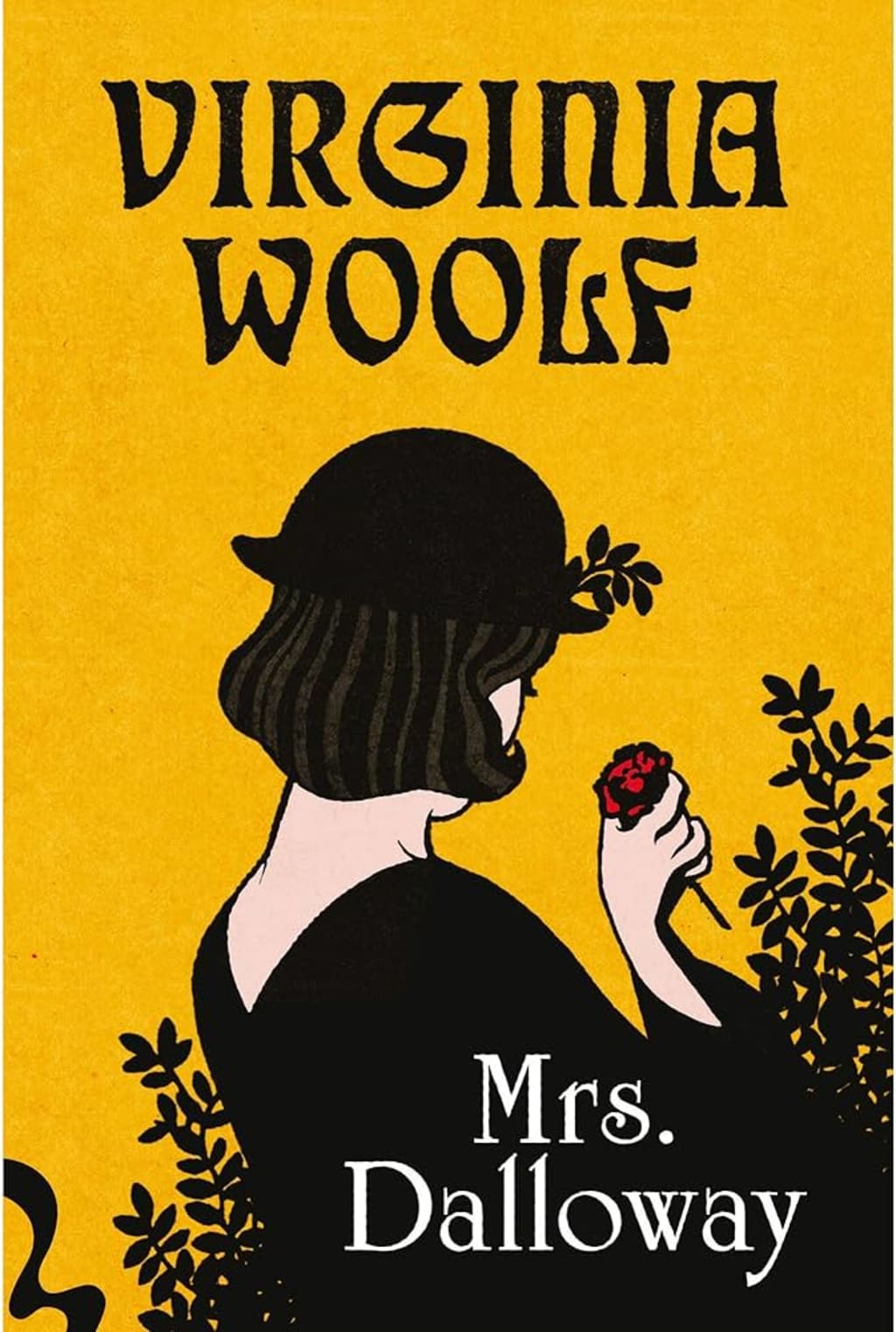
Get Your Free Book Mrs. Dalloway Here:
Mrs. Dalloway by Virginia Woolf
Mrs. Dalloway by Virginia Woolf is a seminal work in modernist literature, first published in 1925. The novel is a rich exploration of the inner lives of its characters, set against the backdrop of a single day in post-World War I London. Through its stream-of-consciousness narrative style, Woolf delves deep into the thoughts, memories, and emotions of Clarissa Dalloway and those around her, weaving together a tapestry of human experience that touches on themes of identity, time, and the effects of war.
This summary will guide you through the key elements of Mrs. Dalloway, breaking down its plot, exploring its characters, analyzing its major themes, and appreciating Woolf’s innovative writing style. Mrs. Dalloway is not just a novel about one woman’s preparations for a party; it’s a profound reflection on life, mortality, and the societal expectations that shape who we are.
Get Your Free Book Mrs. Dalloway Here:
A Day in the Life of Clarissa Dalloway
The plot of Mrs. Dalloway unfolds over the course of a single day in June, as Clarissa Dalloway, a London socialite, prepares for an evening party she is hosting. The novel begins with Clarissa stepping out into the city to buy flowers for the event, setting the stage for a journey through both the physical streets of London and the intricate landscapes of her mind.
As Clarissa moves through her day, she reflects on her past, particularly her youth at Bourton, where she had close relationships with Sally Seton and Peter Walsh. These memories evoke feelings of nostalgia, regret, and a longing for the freedom and passion of her younger years. The narrative also reveals Clarissa’s complex feelings about her marriage to Richard Dalloway, a conservative politician, and her choice to marry him instead of Peter, who once proposed to her.
Parallel to Clarissa’s story is the narrative of Septimus Warren Smith, a shell-shocked war veteran struggling with post-traumatic stress disorder (PTSD). Septimus’s experiences and memories of the war haunt him, leading to increasingly severe hallucinations and a sense of disconnection from reality. His relationship with his wife, Rezia, is strained as she desperately tries to help him while grappling with her own isolation and fear.
Throughout the day, the lives of Clarissa and Septimus intersect in subtle ways, though they never meet. The novel explores their shared sense of alienation and the pressures of societal expectations. The climax of the novel occurs when Septimus, unable to bear his mental anguish any longer, takes his own life by jumping out of a window. This event deeply affects Clarissa when she hears about it during her party, leading her to contemplate her own life, death, and the choices she has made.
The novel ends with Clarissa’s party, a social event that brings together various characters from different walks of life. Despite the external frivolity of the occasion, Clarissa’s internal monologue reflects her ongoing struggle with the meaning of existence, the passage of time, and the inevitability of death.
Get Your Free Book Mrs. Dalloway Here:
Clarissa, Septimus, and the Supporting Cast
The characters in Mrs. Dalloway are intricately drawn, each representing different facets of human experience and the societal roles imposed on them. Clarissa Dalloway is the central figure around whom the novel’s events revolve. As a woman in her early fifties, Clarissa is acutely aware of the passage of time and the choices she has made. Her reflections on her past relationships, particularly with Sally Seton and Peter Walsh, reveal her inner conflict between societal expectations and her desires for emotional and intellectual fulfillment.
Clarissa’s character is marked by her outward composure and adherence to social norms, contrasted with her rich inner life, filled with doubt, longing, and a deep sensitivity to beauty and mortality. Woolf presents Clarissa as a complex, multifaceted individual, whose experiences and thoughts are emblematic of the broader human condition. Clarissa’s fear of aging and death is a recurring theme, as she contemplates the meaning of life and her place within the world.
Septimus Warren Smith, the novel’s other main character, serves as a foil to Clarissa. A war veteran suffering from severe PTSD, Septimus’s experiences highlight the devastating effects of war on the human psyche. His mental deterioration and ultimate suicide represent a tragic response to the pressures and traumas that society often overlooks. Septimus’s character is deeply empathetic, struggling with the weight of his memories and his perceived failure to reintegrate into civilian life. His relationship with his wife, Rezia, is filled with both love and despair, as she attempts to support him while feeling increasingly helpless and alone.
The supporting characters in Mrs. Dalloway each contribute to the novel’s exploration of its central themes. Peter Walsh, who returns to London after years in India, is still deeply in love with Clarissa and represents the road not taken in her life. His feelings of inadequacy and nostalgia for the past mirror Clarissa’s own reflections. Richard Dalloway, Clarissa’s husband, is portrayed as a kind but emotionally distant man, whose dedication to his political career leaves little room for emotional intimacy.
Other characters, such as Sally Seton, who was once the object of Clarissa’s deepest affections, and Lady Bruton, a symbol of the traditional British aristocracy, add depth to the social landscape of the novel. Each character’s interactions with Clarissa provide insight into her character and the societal constraints that define their lives.
Get Your Free Book Mrs. Dalloway Here:
Time, Identity, and Social Expectations
Mrs. Dalloway is rich with themes that explore the human experience, particularly in relation to time, identity, and social expectations. Time is perhaps the most pervasive theme in the novel, as Woolf uses the passage of a single day to delve into the past, present, and future of her characters. The novel’s structure, with its fluid movement between different characters’ thoughts and memories, reflects the complex ways in which time influences human consciousness. Clarissa’s preoccupation with aging and mortality is a key aspect of this theme, as she grapples with the inevitability of death and the fleeting nature of life.
Identity is another central theme in Mrs. Dalloway, particularly in relation to gender and societal roles. Clarissa’s identity is shaped by the expectations placed upon her as a wife, mother, and hostess. Throughout the novel, she reflects on the choices she has made and the person she has become, questioning whether she has lived a life true to herself or simply conformed to societal norms. Septimus’s identity, on the other hand, is fractured by his war experiences, leading him to question the very nature of reality and his place within it.
The novel also explores the theme of social expectations, particularly in relation to class and gender. Clarissa’s world is one of privilege and tradition, where social status and appearances are paramount. Woolf critiques this world by highlighting the superficiality of its values and the limitations it imposes on individuals. The contrast between Clarissa’s public persona and her private thoughts underscores the tension between societal expectations and personal desires.
Septimus’s story serves as a critique of the ways in which society fails to address the needs of those who do not conform to its norms. His struggle with mental illness is met with misunderstanding and indifference by the medical professionals and society at large, leading to his tragic end. Woolf uses Septimus’s character to expose the harsh realities faced by individuals who are marginalized or deemed “other” by society.
Get Your Free Book Mrs. Dalloway Here:
Stream-of-Consciousness and Modernist Innovation
Virginia Woolf’s writing style in Mrs. Dalloway is one of the novel’s most distinctive features, contributing to its status as a cornerstone of modernist literature. Woolf employs a stream-of-consciousness technique, allowing readers to enter the minds of her characters and experience their thoughts and emotions in real-time. This narrative style creates a fluid and intimate connection between the reader and the characters, as the boundaries between past and present, external events and internal reflections, are seamlessly blurred.
The stream-of-consciousness technique also allows Woolf to explore the complexities of human consciousness in a way that more traditional narrative forms cannot. The novel’s focus on the inner lives of its characters, rather than external plot-driven action, emphasizes the significance of their thoughts, memories, and emotions. Woolf’s prose is poetic and evocative, often shifting from one character’s perspective to another with little warning, mirroring the way thoughts naturally flow and intersect.
Woolf’s use of symbolism and imagery in Mrs. Dalloway further enhances the novel’s exploration of its themes. The recurring image of Big Ben, with its steady chimes marking the passage of time, serves as a constant reminder of the inevitability of aging and death. The motif of flowers, particularly roses, is also significant, symbolizing both beauty and the transient nature of life. Woolf’s attention to detail and her ability to imbue ordinary objects and events with deeper meaning contribute to the novel’s rich, layered narrative.
The novel’s structure, with its interwoven narratives and shifting perspectives, reflects Woolf’s modernist experimentation with form. By focusing on a single day in the lives of her characters, Woolf is able to delve deeply into their inner worlds while also commenting on broader societal issues. The novel’s fragmented structure mirrors the complexities of human experience, where memories and emotions are rarely linear or straightforward.
Get Your Free Book Mrs. Dalloway Here:
Conclusion: A Masterpiece of Modernist Literature
Mrs. Dalloway by Virginia Woolf is a masterpiece of modernist literature that continues to captivate readers with its exploration of the human psyche and its innovative narrative style. Through the lives of Clarissa Dalloway and Septimus Warren Smith, Woolf delves into the complexities of time, identity, and societal expectations, offering a profound reflection on the nature of existence. The novel’s stream-of-consciousness technique and rich symbolism make it a deeply immersive and thought-provoking read.
Whether you are new to Virginia Woolf’s work or revisiting this classic, Mrs. Dalloway offers a unique and intimate glimpse into the inner lives of its characters, revealing the universal struggles and joys that define the human experience. Woolf’s ability to capture the fleeting moments of life and the intricate web of emotions that accompany them makes Mrs. Dalloway a timeless work that resonates with readers across generations.
About the Creator
Marcos Martins da silva
Unlock the power of reading with book summaries across all genres. Discover how great your next read can be.
Keep reading
More stories from Marcos Martins da silva and writers in BookClub and other communities.
Summary: Neuromancer by William Gibson
Get Your Free Book Neuromancer Here: Neuromancer by William Gibson Neuromancer by William Gibson is a groundbreaking science fiction novel that has left an indelible mark on the genre. Published in 1984, this novel is often credited with defining the cyberpunk movement, a subgenre characterized by its gritty depictions of a high-tech, dystopian future. Neuromancer introduced readers to a world where technology and humanity are deeply intertwined, where corporate power reigns supreme, and where the boundaries between the virtual and the real are increasingly blurred.
By Marcos Martins da silvaabout a year ago in BookClub
Romance with a Twist (of the Knife)
Welcome to The Chapter Café, where every page is served with a drizzle of desire and a drop of blood. I’m your host, Kristen, and today we’re swirling roses and razor blades in a heady cocktail of passion and peril. Prepare to sip on secrets stained red and savor stolen glances that might end in a deadly twist.
By Kristen Barenthaler2 days ago in BookClub
Miss Persephone's Manual to a Seemingly Ordinary Life
Miss Persephone was found at the dining table, her blue eyes swollen, her tears arriving and retreating like the tides of the ocean. Earlier that day, her family had visited her in the retirement home where she had lived for eight years. It was her eightieth birthday.
By Imola Tóth2 days ago in Fiction



Comments (1)
I read two novels these days. After that I can try this.