
Summary: City by Brian Keene
Throughout the novel, Keene explores how people respond to extreme conditions—both the best and worst of human nature come to the forefront.

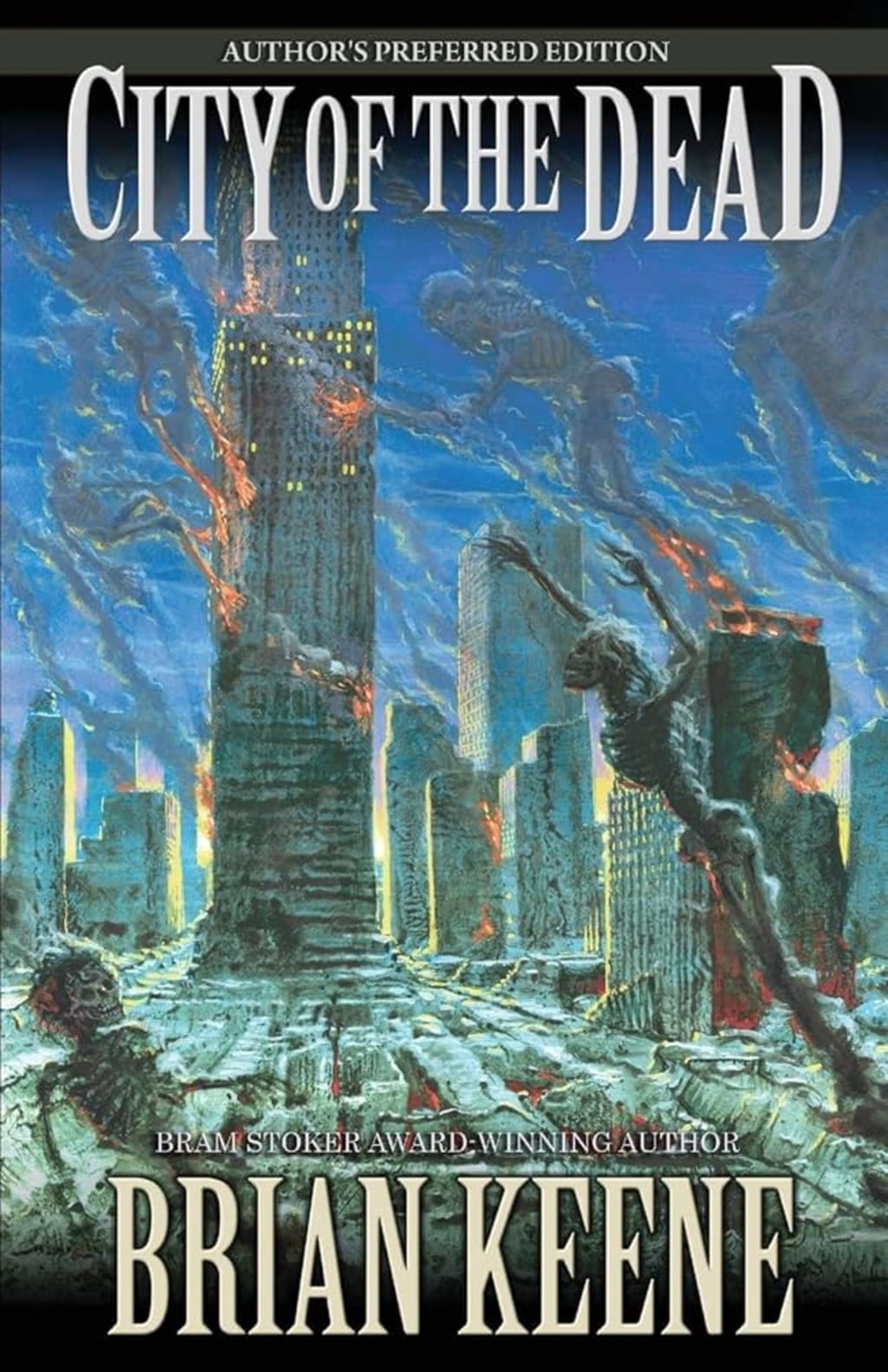
City by Brian Keene
City by Brian Keene is a post-apocalyptic horror novel that delves into themes of survival, loss, and the collapse of civilization. Keene is renowned for his ability to merge human emotion with a stark, often terrifying reality, and City is no exception. The novel takes place in a world ravaged by a series of cataclysmic events, with its inhabitants struggling to survive amidst monsters, human brutality, and the overwhelming desolation of the landscape. Throughout the novel, Keene explores how people respond to extreme conditions—both the best and worst of human nature come to the forefront.
Keene’s City is more than just a tale of horror. It’s a commentary on the fragility of society and how quickly the veneer of civilization can fade when people are pushed to their limits. The book taps into primal fears while maintaining a deep focus on character development, making it a gripping read for fans of apocalyptic fiction.
The Collapse of Civilization
The heart of City is its depiction of a world where society has fallen apart. The novel opens after a series of mysterious disasters have decimated cities and disrupted every aspect of life as we know it. Keene doesn’t spend much time detailing how or why this collapse happened; instead, he focuses on its aftermath and the consequences for the people who survived.
What makes Keene’s post-apocalyptic vision unique is its portrayal of the gradual unraveling of society. Unlike many apocalyptic novels where everything collapses at once, City shows a slower, more insidious decay. Cities once full of life and industry are now abandoned, their infrastructure crumbling and their streets overtaken by nature. People who once relied on the systems of modern life—government, electricity, food supply chains—are now forced to fend for themselves, often in brutal and desperate ways.
Keene’s world-building is vivid and evocative, creating a sense of isolation and hopelessness. The remnants of the old world—decaying skyscrapers, broken-down cars, and empty homes—serve as haunting reminders of what was lost. This decayed urban landscape becomes a character in itself, shaping the behaviors and motivations of those who still roam through it.
The Monsters and Threats
In addition to the collapse of civilization, the world of City is also overrun by monstrous threats. Keene blends supernatural horror with post-apocalyptic survival, introducing various creatures that stalk the darkened streets and shattered buildings. The exact nature of these monsters remains mysterious, adding to the atmosphere of dread that permeates the novel.
The creatures in City are not just physical threats; they represent the unknown and the unpredictable, things that humanity cannot control or fully comprehend. They are symbolic of the larger chaos that the characters find themselves in—a world where not even the natural laws seem to apply anymore. These monsters force the survivors into a constant state of fear and paranoia, amplifying the already dangerous environment.
But perhaps the most terrifying aspect of the novel is not the supernatural monsters but the humans who have become equally monstrous in their fight for survival. As society breaks down, so too does morality. Keene doesn’t shy away from showing the dark side of humanity, where people are willing to kill, betray, and destroy in order to stay alive. In City, the line between man and monster blurs as desperation and fear take hold.
Character-Driven Narrative
Despite the horrors of the world Keene has created, City is a character-driven story at its core. The novel follows several key characters as they navigate this desolate landscape, each with their own personal struggles and motivations. These characters are far from perfect; they are flawed, complex individuals dealing with the trauma of the apocalypse in different ways.
Keene excels at creating deeply human characters, people who feel real despite the extraordinary circumstances they find themselves in. The characters' internal conflicts are just as important as the external threats they face. For example, some struggle with guilt over the choices they’ve made, while others wrestle with the loss of loved ones and the loneliness of their new reality.
This focus on character development allows readers to become emotionally invested in their fates, heightening the tension and drama as the novel progresses. As the survivors face increasingly difficult choices, Keene challenges readers to consider what they would do in the same situation. Would they maintain their humanity, or would they give in to the primal instincts of survival?
Themes of Survival and Morality
One of the central themes of City is survival—both the physical and psychological aspects of it. In a world where the rules have changed, the characters must constantly adapt to their new environment. The struggle for food, water, and shelter becomes paramount, and Keene doesn’t shy away from showing the brutal realities of post-apocalyptic life. Every decision carries weight, and even the smallest mistake can mean the difference between life and death.
But beyond the physical struggle, City also explores the moral and ethical dilemmas that arise in such extreme circumstances. How far are people willing to go to survive? What does it mean to hold onto one’s humanity when the world has descended into chaos? Throughout the novel, characters are forced to confront these questions, and their answers often reveal uncomfortable truths about human nature.
Keene uses the collapse of society as a backdrop to explore the fragility of morality. In the absence of law and order, people must create their own moral codes, often leading to conflict. Some characters cling to their sense of right and wrong, while others embrace the lawlessness of the new world. The tension between these differing approaches to survival adds a layer of complexity to the novel, making it more than just a simple tale of monsters and mayhem.
Conclusion
City by Brian Keene is a gripping and thought-provoking novel that combines elements of post-apocalyptic survival with supernatural horror. With its decaying urban landscape, terrifying monsters, and complex characters, the novel paints a vivid picture of a world on the brink of total collapse. But at its heart, City is a story about people—how they survive, how they change, and how they hold onto hope in the face of unimaginable darkness.
Keene’s writing is sharp and evocative, drawing readers into the world of City and making them care about the fate of its characters. The novel’s exploration of morality, survival, and the collapse of civilization offers plenty of food for thought, making it a standout in the genre of post-apocalyptic horror.
For readers who enjoy stories that are both chilling and deeply human, City is a must-read. Keene’s ability to blend terror with emotion ensures that this novel will stay with readers long after they’ve turned the final page.
About the Creator
Marcos Martins da silva
Unlock the power of reading with book summaries across all genres. Discover how great your next read can be.
Keep reading
More stories from Marcos Martins da silva and writers in BookClub and other communities.
Summary: Annihilation by Jeff VanderMeer
Get Your Free Book Annihilation Here: Annihilation by Jeff VanderMeer Annihilation by Jeff VanderMeer is the first book in the Southern Reach Trilogy, a science fiction series that has captivated readers with its enigmatic plot, surreal atmosphere, and psychological depth. Published in 2014, Annihilation follows the story of an all-female expedition sent into the mysterious Area X, a strange and dangerous wilderness that has been cut off from the rest of the world. The novel is written from the perspective of the biologist, one of the expedition members, as she tries to uncover the secrets of Area X while grappling with the psychological and physical challenges it presents. With themes of isolation, transformation, and the unknown, Annihilation is a haunting exploration of both the natural world and the human psyche.
By Marcos Martins da silvaabout a year ago in BookClub
My New Book is Finally Here
My poetry collection Beautiful and Brutal Things is done. It's actually done and finally published over 270 pages. Over a year of my life went into this book. More than a year, really. Long days at my computer, sometimes seven days a week because I couldn't stop even when I probably should have. Then two months of editing that felt harder than the writing itself. But it's finished, and I'm still standing, and the book is real.
By Tim Carmichael4 days ago in BookClub
THE EMBER AND THE ECHOES
EPISODE 3: THE VALE OF WHISPERS Leaving the Marches felt like shedding a skin. The loud, bloody chaos faded into a damp, watchful silence as Kaelen entered the Blackwood Vale. The air grew cold and carried the scent of pine and deep, rotten earth. This was Lord Theron Vance’s domain, and his influence was a chill that seeped into the bones.
By Akua Anita2 days ago in BookClub
Smart phones, Humans and Aliens.
WARNING. I will be tapping into one of your favorite creative tensions: The absurdity of humans worshipping their glowing rectangles as if they were tiny oracles. There’s something deliciously poetic about that contradiction, and it lends itself beautifully to an instructive proviso.
By Novel Allen5 days ago in Poets




Comments
There are no comments for this story
Be the first to respond and start the conversation.