
Storytelling that connects
Building Brands with Emotion

Let’s face it: With hundreds of brands and articles flying past us every day, standing out feels like trying to win a game of chess with a toddler—they’re unpredictable, and you’ll probably lose unless you’ve got a secret weapon. Some brands, however, manage to make us stop, pay attention, and even feel something. They don’t just push products—they tell stories. Authentic, relatable stories. And that’s the magic touch.
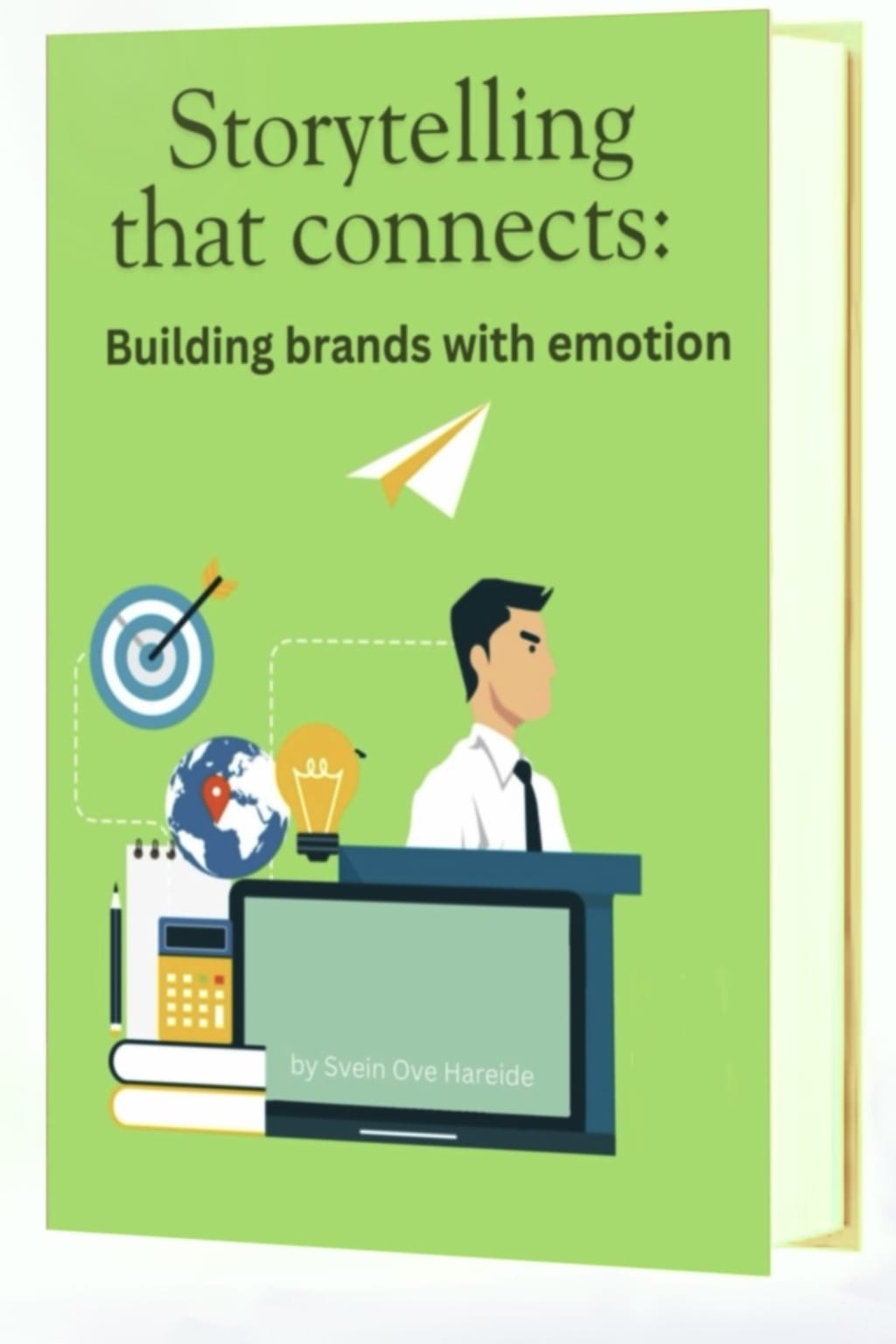
In my new book, Storytelling that Connects: Building Brands with Emotion, I show how brands can shift from background buzz to unforgettable.
Why emotions decide what we buy (even if we’re in denial)
Imagine standing in the cereal aisle, determined to make a smart adult choice. Yet somehow, you walk away with a box of neon-colored sugar hoops. Why? Because it reminds you of Saturday mornings with cartoons and your mom’s warnings about spills. That’s how emotions operate—they’re the quiet decision-makers behind the scenes.
Brands that get this don’t just sell things—they sell emotions. Apple doesn’t just offer technology—they sell the feeling of boundless creativity. Nike doesn’t just peddle footwear—they sell the thrill of victory, even if you just jogged around the block. These brands tell stories that resonate with our lives and hopes. It’s like they’re leaning in and saying, “We see you.”
What makes stories stick? (Hint: Skip the sappy stuff)
The best stories are like your funny friend’s dinner tales—they’re heartfelt, vulnerable, and meaningful. Here’s how it’s done:
1. Be real (fakes are easy to spot): Consumers can sniff out inauthenticity a mile away. We crave genuine stories. Being authentic is risky, but it builds trust—like wearing your favorite sweatshirt on a first date.
2. Show vulnerability: The best stories reveal struggles and triumphs. Brands like Patagonia excel at this—they don’t just promote products, they share their fight for environmental causes.
3. Purpose gives clarity: Brands that know their “why” create stories that naturally connect. They attract those who want to join a shared mission, not just buy a product.
Emotions sell more than stuff—they build loyalty
A Harvard Business Review study shows that emotionally connected customers are worth twice as much as satisfied ones. Satisfaction is bare-minimum; emotional ties build loyalty, recommendations, and advocacy.
Storytelling isn’t just about happy tears. It’s about tapping into the whole emotional spectrum—joy, nostalgia, triumph, even FOMO. Understand your audience’s motivators, and you can craft stories that hit their hearts and their wallets.
Want to create stories that connect?
My book offers step-by-step guidance on finding what makes your brand special and telling stories that matter. Know your audience like you know your snack drawer, then share your origin, mission, and triumphs authentically.
Consumers today want brands that stand for something. In Storytelling that Connects, I help you unlock your emotional edge and create meaningful connections.
Ready to stand out? [Click here to order!]
About the Creator
Svein Ove Hareide
Digital writer & artist at hareideart.com – sharing glimpses of life, brain tricks & insights. Focused on staying sharp, creative & healthy.
Keep reading
More stories from Svein Ove Hareide and writers in BookClub and other communities.




Comments
There are no comments for this story
Be the first to respond and start the conversation.