
Some Supplements With Odd Side Effects
Poisoning antidotes thin mucus and may be used to treat ADHD, OCD, and depression.
When it comes to saving lives from Tylenol overdoses, it's the finest remedy we have. It is also approved by the FDA to break up mucus in people with chronic lung illnesses including cystic fibrosis. Bodybuilders are using it as an over-the-counter supplement to recuperate from intense training sessions. Others use it off-label to treat obsessive-compulsive disorder, depression, and ADHD. In the United States, the company is valued at $600 million and is anticipated to double in the coming years. N-acetylcysteine, or NAC as its friends call it, is a supplement that has several seemingly unrelated effects.
How is it possible for a single, basic molecule to behave so differently? And how can you tell if using this supplement is a good idea for you?
The sulfur atom in its structure is one of the ways that NAC performs its magic. And even if NAC has saved lives (as explained below), based on my observations thus far, it won't significantly alter the way that mental health issues are treated.
Why is sulfur significant?
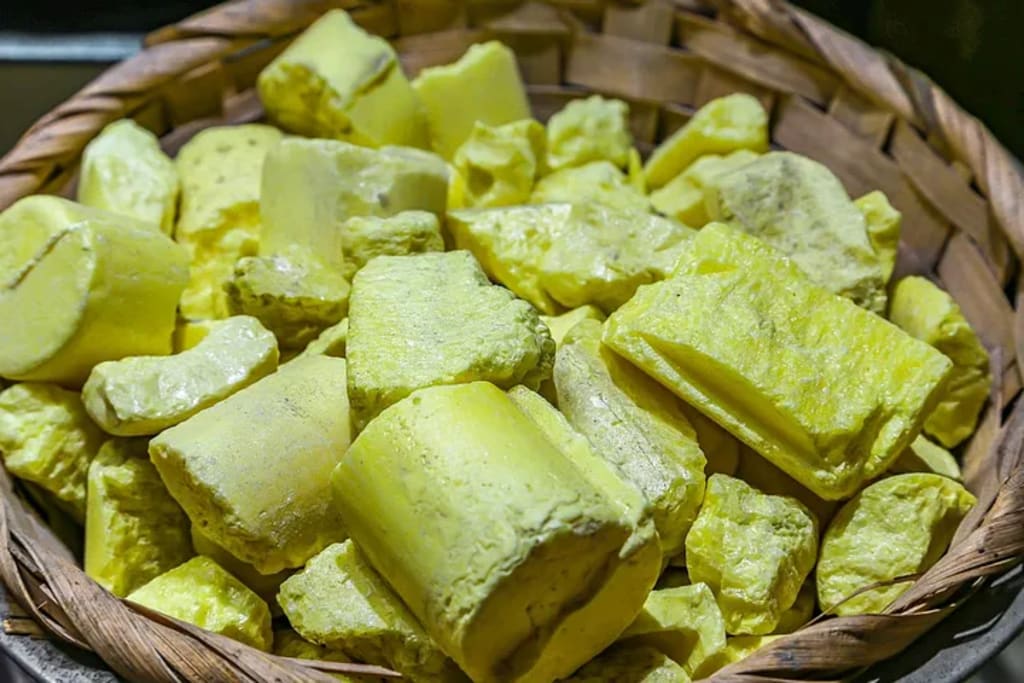
As I'll explain in more detail, N-acetylcysteine shares a strong relationship with cysteine, one of the 20 amino acids that serve as the fundamental building blocks of all of your body's proteins. In addition to methionine, cysteine has a sulfur atom, which sets it apart from the other 18 amino acids. Cysteine with an acetyl group attached (two carbon atoms, one oxygen, and three hydrogens) is all that makes up NAC. The acetyl group is attached to the nitrogen atom of cysteine, as shown by the "N-" at the start of NAC.
Enzymes in the blood remove the acetyl group from NAC after it has been consumed, inhaled, or administered by injection, resulting in cysteine. But cysteine also doesn't last long since sulfur atoms are often reactive and attract electric charges. The sulfur atoms in two cysteine molecules combine to generate a new molecule known as cysteine. Cystine is not as stable or as beautiful as the Sistine Chapel, but it is more stable than cysteine.
A unique antitransporter molecule found in the cell membranes of the majority of neurons and astrocytes (a type of neural helper cell) in the brain attracts cystine into the cells and expels glutamate in an exact 1:1 exchange. Although glutamate is the most prevalent neurotransmitter in the brain, it cannot function as a neurotransmitter unless it is available outside of cells. NAC increases the amount of glutamate that is external to cells and can function as a neurotransmitter with the aid of the antiporter.
NAC increases extracellular glutamate levels, and more glutamate functioning as a neurotransmitter promotes the release of serotonin and dopamine. Each of these three neurotransmitters has been linked to a variety of mental health disorders and is necessary for brain function.
Having an excess of glutathione is beneficial.
Every cystine molecule is transformed back into two cysteines inside brain cells. Within the cell, the majority of this cysteine is subsequently transformed into glutathione, a new molecule. Cysteine, glutamate, and glycine are the three amino acids that makeup glutathione. Thus, a reactive sulfur atom is also present in glutathione.
The antiporter is also found in immune system cell membranes, where it absorbs cystine and converts it into glutathione.
Glutathione reserves in the brain and immune system cells are increased by consuming NAC.
The liver is actually where the majority of cysteine (from protein breakdown) or NAC (from supplements or medications) enters the body. The liver uses some of the cysteine to make glutathione and some to make new proteins. The liver has the highest amounts of glutathione in the body.
Thus, NAC consumption raises the liver's glutathione levels.
Without glutathione, you would not be alive. It is an essential antioxidant due to the sulfur atom's presence, which neutralizes harmful electrically charged substances in the body. By reducing the synthesis of pro-inflammatory chemicals like interleukin-6 and tumor necrosis factor, glutathione also fortifies the immune system. Glutathione promotes the mitochondria's normal operation, which supplies energy to every cell in the body. Additionally, glutathione aids in the body's detoxification of some poisons.
An excessive amount of mucous
A gel-like mixture of water, salts, immune cells, and countless long, intricate sugar molecules known as mucopolysaccharides make up mucus. Long mucopolysaccharide chains are joined by sulfur-sulfur bonds, which contribute to the sticky booger phenomena.
An accumulation of especially viscous and aggressive mucus can restrict airways and make breathing difficult in some lung illnesses, including cystic fibrosis and chronic obstructive pulmonary disease (COPD). The sulfur bonds that hold the mucopolysaccharides of mucus together can be chemically broken by glutathione and cysteine. Normal breathing can resume as a result of the mucus becoming thinner and more fluid, which flows more easily out of the airways.
To reduce and disperse excessive and persistent airway mucus, the FDA approved NAC as an inhalant.
As an antidote and pain reliever, NAC
Seven people in the Chicago region passed away in 1982 after ingesting Tylenol pills that had been purposefully poisoned with cyanide. The ensuing fear prompted a quick redesign of the packaging for all over-the-counter drugs. Forty years later, "tamper-proof" containers are still widely used on our shelves.
The murderer's choice of Tylenol (acetaminophen) tablets as the means of death, in my opinion, was not purposefully sarcastic. However, in 1982 and to this day, acetaminophen ranks as the leading cause of both deliberate and unintentional overdose deaths in the United States among all prescription medications and legal supplements. Acetaminophen is currently responsible for 8.8% of overdose deaths from legal substances, out of hundreds of potentially deadly chemicals. A well-known pain remedy causes a great deal of discomfort.
Half of all occurrences of acute liver failure in the US and other Western nations are caused by acetaminophen, commonly known as paracetamol in most other countries. If they do not receive liver transplants, many of these people pass away.
Acetaminophen is often broken down by the liver into a variety of innocuous substances that the body eliminates. Nevertheless, a molecule that attaches itself to liver cells and destroys them within hours to days is one of these breakdown products, or metabolites, which make up less than 1% of the total.
The name of this harmful substance is N-acetyl-p-benzoquinone imine (NAPQI.)
Thankfully, glutathione works wonders at detoxifying and neutralizing NAPQI. Typically, people's livers contain more than enough glutathione to metabolize all of the NAPQI generated by a typical dose of acetaminophen. However, an excessive amount of acetaminophen causes too much NAPQI, which reduces the amount of glutathione that is accessible and causes liver damage.
Although the liver is necessary for life, its absence does not instantly result in death, unlike the heart, lungs, or brain. The death process from NAPQI often takes place over a few days.
Thankfully, the surge of new glutathione prevents severe liver damage in most patients if significant doses of IV or oral NAC are taken within 10 hours of acetaminophen overdose. Only 12% of overdose victims who receive treatment experience detectable liver damage, and death rates fall to 3% or less.
A woman I was treating for ADHD and depression got into a fight with her partner years ago. They both impulsively took massive amounts of Tylenol and a few narcotic painkillers as part of a suicide pact. They regretted their choices and sought medical assistance hours later.
Before Obamacare, my patient went to a big public health hospital since she didn't have insurance. To address her suicide act, she was stabilized, treated with NAC, and admitted to the psychiatric unit.
Her girlfriend, who had "better" insurance, was sent home after visiting a private hospital where no proper history or blood work was taken. Hours or even a day after a significant acetaminophen overdose, a person may still seem perfectly normal and healthy. When my patient found out that her girlfriend had passed away at home, she was still in the hospital.
NAC is life-saving.
NAC relieves cerebral pain.
For fifty years, the three neurotransmitter systems of serotonin, dopamine, and norepinephrine were the sole focus of pharmacology for mental disorders. Despite their influence, these systems are small, making up only 1% of all brain connections.
Over the past 10 years, scientists and medical professionals have started to focus more on other neurotransmitters, especially glutamate, an excitatory neurotransmitter that is utilized by half of the neurons in the brain. There has been a lot of interest in glutamate for depression and other mood disorders since ketamine, a glutamate reuptake blocker, became popular as a fast-acting antidepressant. Research into glutamate-acting medications to treat schizophrenia and ADHD has been spurred by the complex interplay between the dopamine and glutamate systems. Additionally, glutamate seems to play a significant role in obsessive-compulsive disorders.
Since glutamate is essential for so many brain cell connections, it has occasionally been difficult to determine whether glutamate plays a significant role in the genesis of certain mental health disorders or if it is merely impacted because disruptions in the dopamine, serotonin, and norepinephrine pathways inevitably impact some glutamate connections as well. However, at least a few studies have discovered a link between several of these disorders and abnormalities in genes that code for glutamate production or receptors, indicating that glutamate plays a crucial role in the development of these disorders.
The usage of NAC, a strong glutamate booster, has been the subject of a few dozen studies by researchers, who have found benefits in animal models of schizophrenia, depression, bipolar disorder, OCD, and ADHD. NAC has shown promise in treating symptoms of schizophrenia, reducing OCD, and elevating mood in early human trials.
There is very little research on ADHD; there are only a few case reports and a tiny study of people who have both ADHD symptoms and the autoimmune disease lupus. During the three months of NAC treatment, these patients experienced a significant decrease in inattentive symptoms of ADHD, and the effects continued for at least one month after the treatment concluded.
It may be worthwhile to examine with your doctor whether using NAC supplements is appropriate for many people with schizophrenia, OCD, depression, or even ADHD who are not receiving satisfactory results from traditional drugs. In my experience, those with OCD have benefited the most from my work. Some of the people I've dealt with believed that NAC helped them with their ADHD or depression symptoms, but not enough to stop taking their prescription drugs.
NAC for recuperation after exercise?
Because of its anti-inflammatory and antioxidant properties, NAC has been promoted as a way to help people recuperate from strenuous exercise. According to one review, NAC can improve blood markers of antioxidant capability, increase glutathione supply, and improve exercise performance. However, studies have not yet found any real alterations in weightlifters' inflammatory reactions or muscle activity. It's unclear if NAC still contributes to workout recovery.
600 mg NAC tablets are sold over the counter by several businesses. However, the current state of these sales is a little unclear. Before NAC became a supplement, it was a certified medication used to treat acetaminophen intoxication for decades. Generally speaking, authorized drugs are not regarded as "dietary supplements." Since NAC hasn't been seen to produce any significant negative effects in the thirty years that it has been accessible and used as an oral supplement, the FDA has stated that it will probably issue a special case exception for it, even if as of late 2024 it is not legally a supplement.
When using oral NAC, gastrointestinal side effects are the most frequent. Compounds that include sulfur have a strong smell, which can cause nausea, queasiness, and vomiting. The inhaled versions of NAC can cause rashes in certain persons. Some patients have experienced rashes, edema, low blood pressure, and airway spasms as a result of the large IV doses required to treat acetaminophen overdose; these side effects don't appear to be present with the smaller quantities required to treat mental health disorders. Compared to NAC levels used for other circumstances, the 10,000–15,000 mg doses used in the early phases of acetaminophen overdose treatment are significantly bigger.
To ensure that supplements don't interfere with other prescription drugs or pre-existing medical disorders, it's a good idea to discuss any long-term supplement use with your doctor.
According to my readings, NAC may also be used for another purpose. Since practically all opioid prescriptions are now demonized, many patients with chronic pain are being pressured to choose alternatives like long-term acetaminophen. According to research, long-term exposure to excessive acetaminophen dosages can trigger the gradual development of the same type of liver damage as abrupt, huge overdoses of NAPQI cause. Acetaminophen and NAC used daily may lower the risk of liver damage.
I hope this thorough examination of NAC hasn't exhausted you. NAC may be criticized by some, but if I'm good at explaining things, I've shown you enough about its range that you won't mistake it for The Knack, the rock group that disbanded soon after recording the 1979 number-one single, My Sharona.
About the Creator
Keep reading
More stories from matt yanson and writers in BookClub and other communities.
The Search For The Ozempic of Nature Is Not Successful
What if Ozempic had a natural, inexpensive, and efficient weight-loss substitute? It has been demonstrated that tripeptide (Mounjaro, Zepbound) and semaglutide drugs (Ozempic, Wegovy) improve weight loss.
By matt yansonabout a year ago in BookClub
Rachel Reviews: The Spiral Archive by Pieter Hendrik
It's difficult for me to know where to start with a review of this book as it was, for me, an entirely unique experience and one that I'll probably never have again. I don't want that to be interpreted as unenjoyable but it has left me scratching my head a little and ruminating on its content, its themes and its characters.
By Rachel Deeming6 days ago in BookClub
There Is Only One True Unreliable Narrator...
The unreliable narrator: A new trend in the literary fiction world, usually also falling under the category of unlikeable narrator and plotless fiction. I think, in many ways, the tiktok-afication of this term has pulled it away from what it actually means and is often used as a synonym for an unlikeable narrator.
By The Austen Shelfa day ago in BookClub
The Summer I Was Chosen by a Northern Mockingbird
During the long, suspended days of the pandemic, a wild mockingbird began visiting my driveway and chose me, again and again. What started as a strange encounter became a brief, meaningful connection that I still carry with me.
By Erica Roberts 4 days ago in Petlife


Comments
There are no comments for this story
Be the first to respond and start the conversation.