
Some stories that cannot be believed :
"Beneath the Scales: The Hidden Truth"Human snake(ichchadari Naagin)

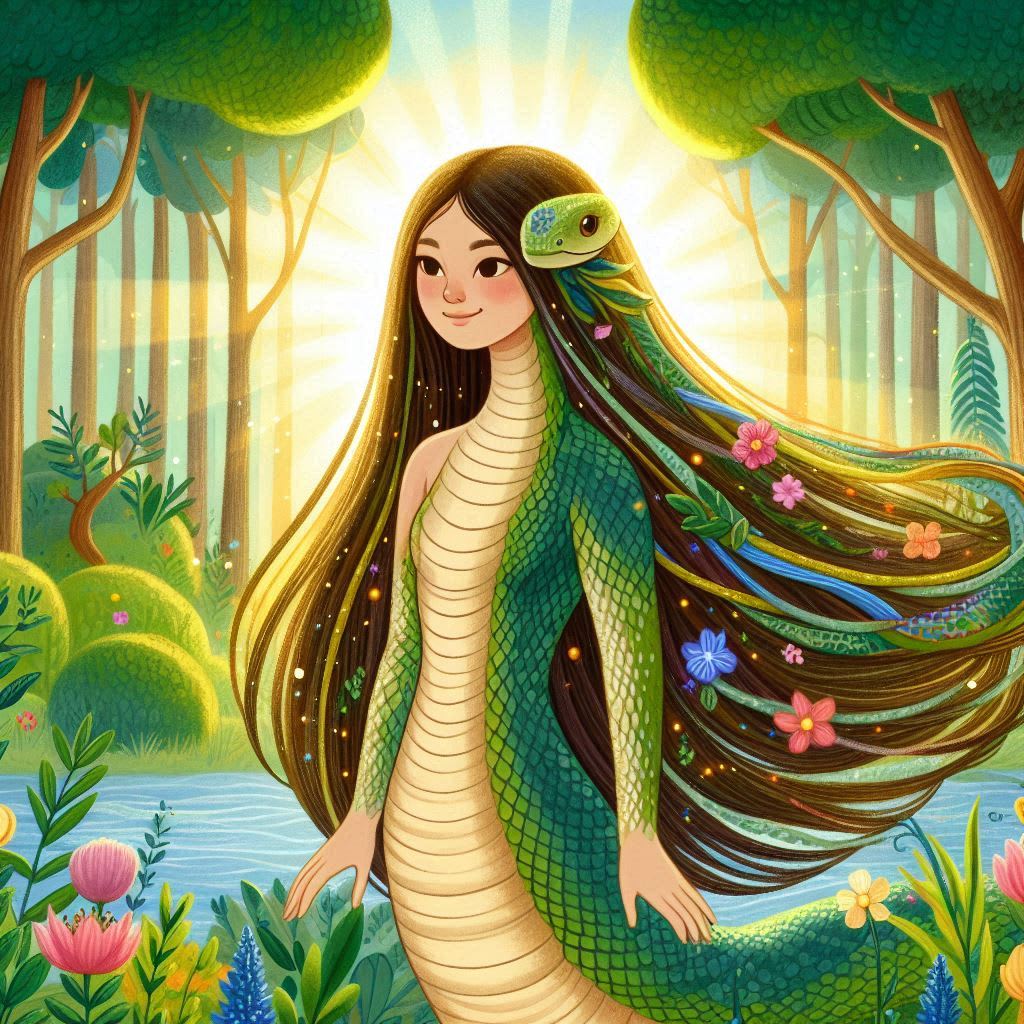
Some stories that cannot be believed
Ichchadari Naagin
Human snake
What is in the stomach of this book?
There is such a story in this book, which some people think is true and some people don't understand that it is fake.
And there is doubt about Nag
Mani (Snake Game) in this book. Whether this is real or not.
All the things mentioned in this book are hearsay. No one knows the truth.
What is in the stomach of this book?
author opinion
We have also heard these things. About Nag Mani and Human
Snake.
If I ever get to see this
in my life, I would
definitely like to see it.
Introduction Human Snake
In India it is called Ichchadari Naagin
The Ichchadhari Nagin is a mythical serpent-like creature from Indian folklore and mythology, believed to have the ability to transform into a human at will. These beings are often depicted as powerful, shape-shifting beings, driven by a deep sense of vengeance or love. In stories, the Ichchadhari Nagin is usually portrayed as a protector of ancient treasures or as someone seeking revenge for a wrong done to her or her kin. Her tale is one of mystery, allure, and danger, as she navigates the human world with her otherworldly powers, often challenging those who cross her path.
Definition
The Ichchadhari serpent is a fascinating and revered figure in Indian mythology, deeply entrenched in the cultural and spiritual fabric of the country. The term "Ichchadhari" comes from the Sanskrit words "Ichcha," meaning "will" or "desire," and "Dhari," meaning "one who possesses" or "one who holds." Thus, an Ichchadhari serpent is a serpent who has the power to transform into any form it desires, most notably into a human being. This ability to shape-shift makes the Ichchadhari serpent a symbol of great mystique and power.
In Indian folklore, the Ichchadhari serpent is often depicted as a creature with deep spiritual significance. It is believed that these serpents are not ordinary beings but are endowed with divine powers due to their intense penance and meditation. They are thought to live for thousands of years and are often guardians of ancient treasures hidden deep within the earth or in sacred temples. The Ichchadhari serpent is frequently associated with the Naga, a race of semi-divine serpentine beings who are also considered protectors of wealth and water bodies.
One of the most intriguing aspects of the Ichchadhari serpent is its ability to take on a human form. This transformation is not just physical but also psychological, allowing the serpent to interact with the human world in a way that is both subtle
and direct. In many stories, the Ichchadhari serpent assumes the form of a beautiful woman or a handsome man, using this guise to achieve its goals, whether they be revenge, love, or the fulfillment of a curse. This shape-shifting ability makes the Ichchadhari serpent a symbol of deception and illusion, highlighting the theme that appearances can be deceiving.
The Ichchadhari serpent is also deeply connected to the idea of karma and justice in Indian mythology. Many tales speak of Ichchadhari serpents seeking revenge on those who have wronged them or their loved ones. These serpents are relentless in their pursuit of justice, often waiting for the perfect moment to strike. This aspect of their character ties into the broader Indian belief in the law of karma, where every action has a corresponding reaction, and justice is ultimately served, even if it takes many lifetimes.
Worship of the Ichchadhari serpent is prevalent in various parts of India, particularly in regions where snake worship is an integral part of local
customs. The Nag Panchami festival, for instance, is a significant event where snakes, including the Ichchadhari serpents, are venerated. Devotees offer milk, flowers, and prayers to snake idols, seeking their blessings for protection, prosperity, and the removal of obstacles. It is believed that by appeasing these serpentine beings, one can ward off dangers and ensure the well-being of the family.
The stories of Ichchadhari serpents have also found their way into popular culture, particularly in Indian television and cinema. Numerous TV serials and movies have been made on the theme of Ichchadhari Nagin, capturing the imagination of audiences with tales of love, betrayal, and supernatural powers. These stories often blend traditional beliefs with modern narratives, making the concept of the Ichchadhari serpent accessible to contemporary viewers
From a symbolic perspective, the Ichchadhari serpent represents the dual nature of existence—where the physical
and the spiritual, the real and the illusory, are constantly intertwined. This duality is a recurring theme in Indian philosophy, where the material world (Maya) is seen as an illusion, and the true reality lies beyond it. The Ichchadhari serpent, with its ability to navigate both realms, serves as a reminder of the transient nature of life and the importance of spiritual awakening.
In conclusion, the Ichchadhari serpent is a powerful and enigmatic figure in Indian mythology, embodying themes of transformation, justice, and spiritual power. Its ability to shape-shift and its role as a guardian of hidden treasures make it a symbol of mystery and intrigue. The reverence and fear it commands in Indian culture are a testament to its enduring significance, both as a mythical being and as a symbol of deeper philosophical truths. Whether seen as a divine protector or a vengeful spirit, the Ichchadhari serpent continues to captivate the imagination, embodying the rich and complex tapestry of Indian folklore and spirituality.
The concept of the human-snake, often referred to as the "Ichchadhari Nagin" or "Ichchadhari serpent," is a
captivating and mystical figure deeply rooted in Indian folklore and
mythology. This mythical being is believed to possess the extraordinary ability to transform between human and serpent forms at will, a power that makes it a subject of both reverence and fear. The idea of the human-snake embodies a blend of spiritual
symbolism, cultural beliefs, and moral lessons, reflecting the complexities of Indian mythology and its influence on societal values.
The term "Ichchadhari" is derived from the Sanskrit words "Ichcha" (meaning will or desire) and "Dhari" (meaning one who possesses or holds). Thus, an Ichchadhari Nagin or serpent is a creature that can change its form according to its will. This
transformation is not limited to physical appearance; it also
encompasses the serpent’s mental and emotional states, allowing it to fully integrate into human society while retaining its serpentine essence.
In Indian mythology, snakes, particularly cobras, are often seen as sacred and are associated with various deities, most notably Lord Shiva, who is frequently depicted with a cobra coiled around his neck. The Ichchadhari Nagin, however, is a unique entity within this tradition, as it combines the divine attributes of snakes with human characteristics. These beings are often depicted as protectors of ancient treasures, sacred groves, or hidden knowledge, which they guard zealously against intruders. The stories surrounding these serpents often involve themes of revenge, love, betrayal, and justice, making them a rich source of moral and ethical lessons.
One of the most prominent features of the Ichchadhari Nagin is its quest for vengeance. In many tales, these beings seek to avenge the wrongs done to them or their loved ones. The legend often starts with a human committing a grievous act against the serpent, such as killing its mate or desecrating its sacred abode. In response, the Ichchadhari Nagin takes human form to infiltrate the world of the perpetrator, waiting for the opportune moment to exact its revenge. This aspect of the myth highlights the belief in the
inevitability of karma—the idea that one's actions, whether good or bad, will eventually come back to them.
The Ichchadhari Nagin’s ability to shape-shift is not just a narrative device but also a symbol of deeper
philosophical concepts. In Indian spiritual traditions, the physical world is often seen as an illusion (Maya), where appearances can be deceptive. The Ichchadhari Nagin embodies this concept, as it can assume a form that belies its true nature. This duality serves as a reminder to be wary of superficial judgments and to seek the deeper truth beneath the surface.
In addition to its role in mythology, the human-snake has a significant place in Indian rituals and religious
practices. Snake worship is a common tradition in India,
particularly during the festival of Nag Panchami, when serpents are honored with offerings of milk and prayers. This practice is rooted in the belief that snakes possess divine powers and can influence human fortunes. The Ichchadhari Nagin, being a part of this broader tradition, is often seen as a powerful, albeit fearsome, protector who can bring both blessings and curses depending on how it is treated.
The human-snake also represents the concept of eternal life and rebirth. Snakes are often associated with the cycle of life, death, and rebirth in Hinduism, primarily due to their ability to shed their skin, which is seen as a metaphor for renewal. The Ichchadhari Nagin, with its ability to change forms and its long lifespan, is an embodiment of this cycle, symbolizing the soul's journey through various
incarnations and the quest for liberation (Moksha).
In contemporary times, the myth of the Ichchadhari Nagin has
transcended its traditional roots and become a popular theme in Indian television, films, and literature. Numerous TV serials and movies depict the adventures of these shape-shifting beings, often blending ancient myths with modern narratives. These
portrayals, while entertaining, also serve to keep the myth alive in the public imagination, ensuring that the lessons and values associated with the Ichchadhari Nagin continue to resonate with new generations.
The human-snake in Indian mythology is more than just a creature of legend; it is a symbol of the intersection between the natural and supernatural worlds. It represents the complexities of human emotions, the inevitability of justice, and the eternal struggle between good and evil. The enduring popularity of the Ichchadhari Nagin in Indian culture is a testament to its deep-rooted significance in the collective consciousness. Whether viewed as a divine protector, a vengeful spirit, or a symbol of transformation, the human-snake continues to fascinate and inspire, embodying the rich and diverse tapestry of Indian mythology.
In conclusion, the human-snake in India, particularly the Ichchadhari Nagin, is a powerful and enigmatic
figure that has captivated the imagination for centuries. Its ability to transform, its connection to the divine, and its role as a guardian of justice and sacred knowledge make it a
multifaceted symbol within Indian culture. Through its stories, rituals, and modern adaptations, the human-snake
continues to embody the themes of transformation, justice, and spiritual growth, serving as a reminder of the
deep and complex relationship between humans and the natural world.
4o
*In India it is
believed that these Snakes get this power after 100 years of penance
In Indian mythology, the belief that certain serpents, particularly the Ichchadhari Nagins or Nagas, attain the power to transform into human form after 100 years of penance is a deeply revered and mystical concept. This notion is steeped in the rich tapestry of Indian spiritual traditions, where the idea of intense penance, or "tapasya," is central to attaining supernatural powers, wisdom, and divine blessings. The story of these serpents who undergo rigorous penance for a century to gain extraordinary abilities is not just a tale of transformation but also a profound allegory for spiritual growth, patience, and the pursuit of higher knowledge.
In the context of Indian spirituality, penance is more than just a physical or mental ordeal; it is a disciplined practice aimed at purification and the attainment of spiritual
enlightenment. The concept of "tapasya" comes from the Sanskrit root "tap," which means to heat or to burn. This symbolic burning refers to the purification of the mind, body, and soul through the rigors of austerity, meditation, and self control. For a serpent, a creature that is often feared and
misunderstood, undergoing 100 years of penance represents an extraordinary commitment to transcend its natural limitations and acquire divine capabilities.
The belief that these serpents can gain the power to shape-shift after 100 years of penance is a reflection of the Indian worldview, where time and perseverance are seen as essential components of spiritual evolution. In many tales, the serpent is depicted as a being that has lived through countless lifetimes, accumulating wisdom and spiritual power through its prolonged penance. This long period of meditation and austerity allows the serpent to develop a deep
understanding of the cosmic order, the laws of karma, and the mysteries of life and death. By the end of this century-long penance, the serpent is no longer an ordinary creature; it becomes an Ichchadhari Nagin, a being with the power to assume any form it desires, most notably that of a human.
This transformation is not merely physical but also spiritual. The serpent’s ability to change into a human form symbolizes its mastery over the material world, where it can now navigate human society with ease and influence events according to its will. This power of transformation is closely linked to the concept of Maya, the illusionary nature of the world, where nothing is as it seems. The Ichchadhari Nagin, with its dual nature, serves as a reminder of the deceptive nature of appearances and the importance of seeking the truth beyond the physical realm.
The 100 years of penance required for this transformation also underscore the values of patience, perseverance, and devotion. In Indian culture, achieving anything of significance, especially in the spiritual realm, is believed to require sustained effort and dedication over long periods. This belief is reflected in the many stories where gods, sages, and even demons undergo long periods of penance to gain boons, powers, or enlightenment. The Ichchadhari Nagin’s penance is a testament to this principle, where even a serpent, a creature often associated with lower instincts, can elevate itself to a divine status through sheer determination and unwavering focus on its spiritual goal.
Moreover, the concept of gaining power after 100 years of penance highlights the cyclic nature of time in Indian philosophy. Unlike the linear perception of time in Western thought, Indian cosmology views time as cyclical, with ages (Yugas) that repeat themselves. The serpent’s 100-year penance can be seen as a microcosm of this larger cosmic cycle, where the end of one period marks the beginning of a new phase, one that is imbued with new powers and possibilities. This cycle of penance and transformation reflects the broader theme of rebirth and renewal, which is central to many Indian spiritual practices.
The attainment of such powers by the Ichchadhari Nagin is also a metaphor for the potential inherent in all beings. Indian philosophy teaches that every soul has the potential to attain divine status through dedication and spiritual practice. The serpent, traditionally seen as a lowly creature, becomes a powerful and revered being, symbolizing the idea that even the most humble of beings can achieve greatness through self-discipline and spiritual endeavor. This
transformation serves as an inspiration to humans, encouraging them to pursue their spiritual goals with the same tenacity and patience.
In Indian folklore, stories of Ichchadhari Nagins often involve themes of love, revenge, and justice. After gaining the power of transformation, these beings often return to the human world to fulfill a specific purpose, such as avenging a wrong done to them or their loved ones, or protecting a sacred treasure. These tales serve as moral parables, where the Ichchadhari Nagin uses its powers not just for personal gain but to restore balance and justice. The 100 years of penance endow the serpent with not only physical transformation but also moral clarity and purpose, which it uses to navigate the complex human world.
The worship of Nagas and the reverence for Ichchadhari Nagins in Indian culture are closely linked to this belief in their transformative powers. Temples dedicated to Nagas are found throughout India, where devotees offer prayers, milk, and flowers to serpent idols, seeking their blessings for protection, fertility, and prosperity. The belief that these serpents possess divine powers after centuries of penance adds to their mystique and the reverence they command. Festivals like Nag Panchami celebrate these beings, acknowledging their role as protectors of nature and as intermediaries between the human and divine realms.
In modern times, the myth of the Ichchadhari Nagin has been popularized through Indian television serials and films, where the 100-year penance and the resulting powers are central to the storyline. These adaptations bring the ancient myth into contemporary settings, often blending traditional beliefs with modern sensibilities. The enduring appeal of these stories lies in their ability to convey timeless values of justice, patience, and the triumph of good over evil, all embodied in the figure of the Ichchadhari Nagin.
In conclusion, the belief that serpents in India, particularly the Ichchadhari Nagins, gain the power to transform into human form after 100 years of penance is a profound and multifaceted concept. It reflects the importance of penance, patience, and spiritual discipline in Indian culture, where time and effort are seen as essential to achieving divine powers and enlightenment. This belief not only adds to the mystique of these beings but also serves as a powerful metaphor for spiritual transformation and the potential for greatness inherent in all beings. The myth of the Ichchadhari Nagin continues to inspire and captivate, embodying the rich spiritual and cultural heritage of Ind
*It is understood in India. There is a snake gem on the head of those snacks. which is very rare
In Indian mythology and folklore, the concept of a "snake gem" or "Naag Mani" is one of the most captivating and mysterious elements associated with serpents, particularly those believed to possess supernatural powers like the Ichchadhari Nagins. The Naag Mani, often depicted as a radiant, luminescent gem embedded in the head of these powerful snakes, is considered to be an object of immense value, both materially and spiritually. This gem is not only rare but is also believed to hold extraordinary powers, making it a symbol of immense reverence and awe in Indian culture.
The Naag Mani is said to be found only in the most ancient and powerful serpents, often those who have undergone long periods of penance and have acquired divine or supernatural abilities. These serpents, which can live for thousands of years, are believed to possess the Naag Mani as a sign of their elevated spiritual status and their connection to the divine. The gem itself is often described as being small but incredibly radiant, emitting a glow that can illuminate even the darkest of places. In many stories, this light is not just physical but also metaphorical, representing the illumination of knowledge, wisdom, and spiritual enlightenment.
The rarity of the Naag Mani adds to its mystique. It is said that not all serpents possess this gem; only those who have achieved a certain level of spiritual purity and power are granted this divine gift. This rarity makes the Naag Mani highly sought after, but also incredibly difficult to obtain. Legends abound of kings, sages, and even demons who have gone to great lengths to find and possess this gem, believing it to bring untold wealth, power, and protection. However, these quests are often fraught with danger, as the serpents guarding the Naag Mani are not only powerful but also fiercely protective of their treasure.
The Naag Mani is believed to confer a variety of powers and benefits upon its possessor. In some traditions, it is said to grant the ability to understand the language of animals, a gift that allows one to gain insights into the natural world and its hidden mysteries. In others, it is believed to bring immense wealth and prosperity, as the gem is said to have the power to attract and multiply riches. There are also beliefs that the Naag Mani can heal illnesses, protect against evil forces, and even grant immortality to its possessor. These powers make the Naag Mani an object of great desire, but also one that is surrounded by a sense of danger and moral complexity.
The stories surrounding the Naag Mani often serve as cautionary tales, warning against greed and the pursuit of material wealth at the expense of spiritual values. In many legends, those who seek the Naag Mani for selfish purposes are ultimately punished, either by the serpent who guards it or by the karmic consequences of their actions. The gem, while powerful, is not meant to be a tool for personal gain but a symbol of spiritual attainment and responsibility. This duality—of immense power and the moral obligation that comes with it—is a recurring theme in Indian mythology, where the pursuit of spiritual goals is often seen as more important than the acquisition of material wealth.
In addition to its material and spiritual powers, the Naag Mani is also believed to have protective qualities. In many traditions, it is said that the gem can ward off evil spirits, negative energies, and even natural disasters. This protective aspect is closely tied to the serpent’s role as a guardian in Indian mythology. Serpents, particularly the Nagas, are often depicted as protectors of the earth, water bodies, and sacred treasures. The Naag Mani, being a part of the serpent’s body, is thus seen as an extension of this protective power, capable of shielding its possessor from harm.
The Naag Mani also plays a significant role in various rituals and religious practices in India. In certain
communities, the gem is revered as a symbol of divine power, and rituals are performed to invoke its blessings. These rituals often involve offerings of milk, flowers, and prayers to serpent idols, seeking the protection and favor of the Nagas. The belief in the Naag Mani’s power is so strong that it has also influenced the design of temple architecture, where serpentine motifs and depictions of Nagas holding gems are commonly found.
In popular culture, the concept of the Naag Mani has been widely
represented in Indian cinema, television, and literature. Stories involving the quest for the Naag Mani often feature elements of adventure, romance, and supernatural intrigue, capturing the imagination of
audiences. These modern adaptations continue to propagate the myth of the Naag Mani, blending traditional beliefs with contemporary narratives and making the concept accessible to a broader audience. Despite these modern interpretations, the core elements of the myth—greed, morality, and the consequences of one’s actions—remain intact, ensuring that the Naag Mani continues to be a potent symbol in Indian culture.
From a symbolic perspective, the Naag Mani represents the
intersection of material and spiritual wealth. It is a reminder that true power and prosperity come not from the accumulation of wealth but from spiritual enlightenment and moral integrity. The serpent’s possession of the gem signifies its mastery over both the material and spiritual realms, making it a figure of reverence and awe. The stories of those who seek the Naag Mani, and the lessons they learn along the way, serve as moral parables, teaching the importance of humility, respect for divine power, and the dangers of unchecked ambition.
In conclusion, the Naag Mani, or the snake gem, is one of the most fascinating and enigmatic symbols in Indian mythology. Its rarity, combined with its supposed powers and the moral lessons associated with it, makes it a deeply revered object in Indian culture. Whether seen as a source of immense power, a protective talisman, or a symbol of spiritual attainment, the Naag Mani continues to captivate the imagination and inspire reverence. The belief in this mystical gem reflects the broader themes of Indian spirituality, where the pursuit of material wealth is tempered by the need for spiritual growth and moral responsibility. The Naag Mani, like the serpents who possess it, remains a powerful symbol of the enduring mysteries of the natural and spiritual worlds.
Some snake
catchers in India kill snakes for snake charmers.
The practice of catching snakes for snake charmers in India, a tradition that dates back centuries, has evolved into a
controversial and complex issue, particularly as it intersects with the harsh reality of snake poaching and the exploitation of these creatures for entertainment and profit. Snake catchers, often belonging to
marginalized communities, play a crucial role in this practice, capturing snakes from the wild to supply snake charmers who use them for public performances. However, this tradition, which once had cultural significance, has increasingly come under scrutiny due to its impact on wildlife conservation, animal welfare, and the sustainability of snake populations in India.
Historically, snake charmers, known as "saperas" in India, were respected figures who were believed to have a deep understanding of serpents, including their behavior, habitats, and the medicinal properties associated with them. These charmers would travel from village to village, performing with snakes, particularly cobras, to entertain crowds. The mesmerizing act of "charming" the snake with a pungi (a wind instrument) while the serpent swayed to the music was, and still is, a popular attraction in many rural and urban areas. This practice is steeped in tradition, with many sapera
communities passing down the knowledge and skills of snake handling from generation to generation.
Snake catchers, often from the same or similar communities as the charmers, are skilled at locating and capturing snakes from their natural habitats. These habitats include forests, agricultural lands, and areas near human settlements where snakes are known to reside. Catchers employ various techniques, such as using hooks, sticks, or even their bare hands, to safely extract the snakes from their hiding places. Once captured, the snakes are either sold to snake charmers or kept for personal use in performances.
However, the practice of snake catching has a darker side, particularly when it comes to the treatment of the
snakes involved. To make the snakes less dangerous during performances, it is a common but highly unethical practice to remove their fangs or venom glands. This procedure is often done crudely, without anesthesia, leading to severe pain, infection, and sometimes death for the snake. In other cases, the snakes are starved or kept in poor conditions, weakening them and reducing their natural aggression. These cruel practices not only compromise the welfare of the snakes but also significantly shorten their lifespan.
Furthermore, the capture of snakes from the wild for the purposes of entertainment and trade has serious implications for biodiversity and conservation. Many of the species targeted by snake catchers, such as cobras and kraits, are crucial to maintaining ecological balance, as they control rodent populations and contribute to the overall health of their ecosystems. The removal of these snakes from the wild,
particularly in large numbers, can disrupt local ecosystems and lead to declines in snake populations. This problem is exacerbated by the fact that many of these species are already under threat due to habitat loss, pollution, and human-wildlife conflict.
The commercial exploitation of snakes by catchers and charmers has also drawn the attention of wildlife conservation organizations and the Indian
government. The Wildlife Protection Act of 1972, one of India’s key environmental laws, prohibits the capture, possession, and trade of many species of snakes, including cobras, without a license. Despite this, illegal snake catching and trafficking continue, driven by demand from snake charmers, traditional medicine practitioners, and even the exotic pet trade. Enforcement of these laws is often challenging, especially in rural areas where awareness of wildlife protection laws may be low, and where economic pressures push individuals towards illegal activities.
In recent years, there has been a growing movement to address the ethical and environmental issues associated with
snake charming and snake catching. Many wildlife organizations are working to educate communities about the importance of conserving snakes and protecting their habitats. These initiatives often include efforts to provide
alternative livelihoods for snake catchers and charmers, helping them transition away from practices that harm wildlife towards more sustainable and ethical
occupations. For example, some programs train former snake charmers in snake rescue and rehabilitation, turning their knowledge of snakes into a valuable asset for conservation efforts.
Additionally, there are efforts to preserve the cultural heritage of snake charming while eliminating its harmful
aspects. Some organizations are promoting the use of non-venomous or replica snakes in performances, allowing charmers to continue their traditional art without endangering wild snake populations or engaging in unethical practices. This approach seeks to balance the preservation of cultural traditions with the need to protect animal welfare and biodiversity.
The role of snake catchers in supplying snakes for traditional practices like snake charming also brings to light broader issues of poverty and
marginalization. Many snake catchers belong to marginalized communities that have limited access to education, healthcare, and economic opportunities. For these individuals, catching snakes is not just a cultural practice but a means of survival. Addressing the challenges associated with snake catching and snake charming therefore requires a holistic approach that includes social and economic development, in addition to conservation and animal welfare.
Moreover, the relationship between humans and snakes in India is deeply intertwined with religious and cultural beliefs. Snakes, particularly cobras, are revered in Hinduism, where they are
associated with deities like Lord Shiva and the Nagas, semi-divine beings who are both protectors and symbols of fertility and prosperity. This reverence has historically protected snakes to some extent, but it has also led to practices that exploit them for religious or cultural purposes. Efforts to protect snakes in India must therefore navigate the complex interplay between cultural practices, religious beliefs, and modern conservation principles.
In conclusion, the practice of snake catching for snake charmers in India is a tradition that carries significant cultural
weight but also raises serious ethical, environmental, and social concerns. While snake charmers and catchers have long been respected for their skills and knowledge, the impact of their practices on snake welfare and conservation is increasingly problematic in the modern context. The exploitation of snakes for entertainment, coupled with illegal poaching and trade, threatens the survival of these species and disrupts ecosystems. Addressing these issues requires a multifaceted approach that includes education, legal enforcement, alternative livelihoods, and cultural sensitivity. By working to protect snakes and support the communities that depend on them, it is possible to find a balance that honors tradition while ensuring the sustainability and ethical treatment of wildlife.
The Symbolism of
Ichchadhari Naagin in Indian Mythology
The Ichchadhari Naagin holds a deep and multifaceted symbolism in Indian mythology, representing themes of transformation, power, and the natural world. As a mythical serpent who possesses the ability to transform into a human, the Ichchadhari Naagin embodies the idea of fluidity between different states of being, blurring the lines between human and animal, mortal and divine. This shape-shifting ability symbolizes adaptability and the potential for profound change, often seen as a reflection of the soul's journey through various forms of existence according to Hindu beliefs.
In many legends, the Ichchadhari Naagin is depicted as a powerful and sometimes vengeful figure, often seeking justice for
wrongs committed against her or her loved ones. This aspect of the Ichchadhari Naagin symbolizes the cosmic balance of justice and retribution, where the natural world, personified by the Naagin, acts to restore order when it is disrupted by human actions. Her role as both protector and avenger aligns with the broader theme in Hindu mythology of divine beings intervening in the mortal world to uphold dharma, or cosmic order.
The serpent, in general, is a potent symbol in Hindu mythology, associated with both creation and destruction, fertility and danger. As an Ichchadhari Naagin, the serpent’s symbolism is amplified, representing not just the cyclical nature of life but also the hidden, mystical forces that govern the universe. The Naagin’s ability to control and manipulate her form can be seen as a metaphor for spiritual mastery and the power to transcend the physical limitations of the body, hinting at the deeper spiritual truths that lie beyond the material world.
Moreover, the Ichchadhari Naagin is often portrayed as a guardian of sacred treasures or ancient wisdom, further emphasizing her role as a custodian of hidden knowledge. This guardianship underscores the reverence for nature in Indian culture, where serpents are seen not merely as creatures but as beings connected to the divine, holding the secrets of the earth and the universe. The Naagin’s connection to these treasures and her fierce protection of them highlight the respect and fear with which the forces of nature are regarded in Indian mythology.
Overall, the Ichchadhari Naagin serves as a powerful symbol of the intersection between the physical
and the spiritual, the natural and the supernatural. Her stories are not just tales of magic and wonder but also convey deeper
philosophical and moral lessons, reflecting the complex relationship between humans and the natural world, as well as the eternal quest for balance and harmony in the universe.
The Portrayal of
Ichchadhari Naagin in Indian Television and Cinema
The portrayal of the Ichchadhari Naagin in Indian television and cinema has evolved into a prominent and enduring theme, captivating audiences with its blend of
mysticism, drama, and supernatural elements. In the world of Indian entertainment, the Ichchadhari
Naagin has been depicted as a powerful and often tragic figure, torn between her serpentine origins and her human emotions. These
portrayals tap into deep-seated cultural beliefs and fears, creating narratives that are both thrilling and emotionally resonant.
Television serials, particularly in the last two decades, have popularized the character of the Ichchadhari Naagin, transforming her into a central figure in many supernatural dramas. These shows often revolve around themes of revenge, love, and the struggle for justice, with the Naagin character embodying both the avenger and the protector. Her ability to shape-shift and her mystical powers make her a formidable
protagonist, capable of overcoming human and supernatural foes alike. The success of these shows is evident in their long-running episodes, high viewership, and the creation of multiple seasons, each expanding on the mythos of the Ichchadhari Naagin.
In cinema, the Ichchadhari Naagin has been portrayed in various ways, ranging from horror to fantasy to romance. Films from the 1980s and 1990s often depicted the Naagin as a vengeful spirit, seeking to avenge the wrongs done to her or her loved ones. These stories typically involved dramatic
confrontations, special effects-laden transformations, and an exploration of the darker side of human nature. More recent films, however, have started to
present the Ichchadhari Naagin in a more nuanced light, focusing on her emotional struggles and the moral dilemmas she faces in her quest for justice.
The appeal of the Ichchadhari Naagin in Indian media can be attributed to the rich cultural and religious symbolism she represents. Her stories draw on ancient legends and folklore, making them instantly relatable to audiences familiar with these traditions. At the same time, the modern portrayals of the Naagin allow for creative interpretations and new narratives that resonate with contemporary viewers, blending traditional themes with modern storytelling techniques.
Moreover, the character of the
Ichchadhari Naagin has become a symbol of feminine power and resilience, often depicted as a woman who, despite her supernatural abilities, faces the same emotional challenges as any human. This duality—being both human and more than human—adds depth to her character and makes her a compelling figure in Indian entertainment. Through her portrayal in television and cinema, the Ichchadhari Naagin continues to captivate and inspire, reflecting both the enduring allure of ancient myths and the evolving tastes of modern audiences.
Ichchadhari Naagin: From Folklore to
Pop Culture
The journey of the Ichchadhari Naagin from ancient folklore to contemporary pop culture is a fascinating evolution that reflects both the enduring appeal of mythical narratives and the adaptability of these tales to modern mediums. Traditionally, the Ichchadhari Naagin is rooted in Indian folklore and Hindu mythology, where she is depicted as a mystical serpent with the ability to transform into a human at will. These stories were passed down orally through generations, often serving as cautionary tales or moral lessons. The Naagin, with her shape-shifting powers and connection to the natural world, symbolized themes of transformation, vengeance, and the interplay between the human and the supernatural.
As Indian society evolved and media expanded, the Ichchadhari Naagin found new life in the realm of pop
culture, particularly through television and cinema. The 1980s marked a significant period where Bollywood films began to explore the character of the Ichchadhari Naagin, often portraying her in horror or fantasy genres. These films emphasized her supernatural abilities and her role as an avenger, bringing ancient myths to the silver screen with dramatic special effects and engaging storylines. This period solidified the Naagin’s place in the collective imagination of the Indian audience, making her a staple character in the genre of supernatural cinema.
The transition from folklore to pop culture reached new heights with the advent of television serials dedicated
entirely to the Ichchadhari Naagin. These shows, which began to gain massive popularity in the early 2000s, reimagined the Naagin for a modern audience, blending traditional myth with contemporary storytelling. Television serials like Naagin have become cultural phenomena, drawing millions of viewers and spawning multiple seasons. In these series, the Ichchadhari Naagin is often depicted as a complex character—both a protector of her people and a fierce avenger. Her stories are interwoven with romance, intrigue, and the timeless battle between good and evil, making her a beloved and dynamic figure in Indian pop culture.
Furthermore, the Naagin’s influence has extended beyond television and film into other forms of media, including
literature, comics, and digital content. Her character has been adapted and reinterpreted in countless ways, from children’s books that simplify her story for younger audiences to graphic novels that explore darker and more nuanced aspects of her mythology. The Naagin’s image and symbolism have even permeated fashion, art, and advertising, where she is used to evoke mystery, power, and femininity.
The Ichchadhari Naagin’s journey from folklore to pop culture is a testament to the enduring power of myth and its ability to adapt to changing cultural landscapes. While the core elements of her story remain rooted in ancient traditions, the ways in which she is portrayed have evolved to reflect contemporary themes and values. This blend of the old and the new ensures that the Ichchadhari Naagin continues to captivate and resonate with audiences, making her one of the most iconic and enduring figures in Indian mythology and pop culture.
The Impact of
Ichchadhari Naagin Stories on
Contemporary
Indian Media
The Ichchadhari Naagin stories have had a profound impact on
contemporary Indian media, particularly in the realms of
television and cinema. These narratives, rooted in ancient mythology and folklore, have been seamlessly adapted to modern storytelling formats, becoming a dominant genre in Indian
entertainment. The success of Ichchadhari Naagin stories can be attributed to their ability to blend
traditional cultural elements with the dramatic flair and emotional depth that contemporary audiences crave.
In television, the Ichchadhari Naagin has become a central figure in some of the most popular and long-running serials. These shows have redefined the supernatural genre in Indian media, pushing the boundaries of special effects, narrative complexity, and character development. The themes of transformation, revenge, and the supernatural, which are intrinsic to the Ichchadhari Naagin lore, resonate deeply with viewers, making these stories both relatable and intriguing. The widespread appeal of these narratives has influenced the direction of Indian television, leading to a surge in supernatural and fantasy-based content across various channels.
Moreover, the success of Ichchadhari Naagin stories has also impacted other forms of media, including films, web series, and even digital content. The figure of the Naagin has been reimagined in numerous ways, from horror films that emphasize her terrifying aspects to romantic dramas that explore her emotional complexities. This versatility has made the Ichchadhari Naagin a staple in Indian pop culture, inspiring countless adaptations and spin-offs.
The influence of these stories extends beyond entertainment, as they have also sparked discussions on topics like gender roles, power dynamics, and the representation of mythology in modern media. The Ichchadhari Naagin, often portrayed as a powerful and independent woman, challenges traditional stereotypes and offers a fresh perspective on female
empowerment. This aspect of her character has been particularly impactful in contemporary media, where there is a growing demand for strong, complex female protagonists.
Analyzing the
Popularity of
Ichchadhari Naagin Serials in Indian Entertainment
The Ichchadhari Naagin
serials have emerged as
one of the most popular
genres in Indian television, captivating millions of
viewers with their engaging storylines, dramatic twists, and supernatural themes. The success of these serials can be attributed to
several factors that
resonate deeply with the
Indian audience.
Firstly, the Ichchadhari Naagin serials tap into the rich tapestry of Indian mythology and folklore, offering viewers a sense of connection to their cultural roots. The stories often draw on familiar themes like good versus evil, the quest for justice, and the power of transformation, all of which are central to Indian cultural narratives. By incorporating these elements into a modern, episodic format, the serials create a sense of continuity between the past and the present, making ancient myths accessible and relevant to
contemporary audiences.
Secondly, the serials are known for their high production values, including impressive visual effects that bring the supernatural elements of the story to life. The transformation scenes, where the Naagin shifts between her human and serpent forms, are particularly popular, showcasing the advancements in television
technology and special effects in India. These visually stunning sequences, combined with dramatic music and intense performances, create a gripping viewing experience that keeps audiences hooked.
Another key factor in the popularity of Ichchadhari Naagin serials is the strong emotional appeal of the narratives. The stories often revolve around themes of
love, betrayal, and revenge, which are universal emotions that resonate with a wide audience. The Naagin characters, typically portrayed as powerful yet vulnerable women, evoke empathy and admiration from viewers, further enhancing the emotional impact of the serials.
https://a.co/d/hXtDjDZ
About the Creator
Jam Shaikh
I am a story, article content writer. I know how to write any type of story.I like writing and I like sharing my content.
Keep reading
More stories from Jam Shaikh and writers in BookClub and other communities.
Bloody Scary Living Graveyard:
The villagers feared to pass by this cemetery. No one passing by this cemetery returned. Deep into the forest there was a small isolated village where so horrific was a standing graveyard that even the bravest souls feared pronouncing its name. Known only by its dreaded, terrible name: the Cursed Cemetery of the Forgotten, it was a location of such evil energy that no one ever considered it worth discussing. This graveyard sat at the edge of a village- severed from town by an even darker forest so impenetrable and ominous that with every step closer to the graveyard, it would seem to thicken and grow more ominous. Its reputation had been wrapped in dark lore and passed on from generation to generation. The villagers believed that the cemetery was cursed; the place was said to be the one where spirits couldn't move on with their afterlives in peace, tortured forever and ever. The other version of the stories told how the cemetery was built on some old, unholy ground, where spirits, wronged in life, wandered there endlessly searching for revenge on the living. Always the village elders would caution the young and foolish not to wander close to the cemetery after dark. "The dead do not sleep there," they would say, their voices trembling with fear. "And those who disturb them will pay with their lives." These warnings were, however, heeded by the villagers, for stories of the cemetery were indeed true and actual events that had stamped permanent marks on the village. There was once a few young men not believing in old curses became bold and challenged the legend of the curse. Nothing more than stiff prelude filled their heads with claims of superstitious lies. A group of them then dared themselves to come into the cemetery on a dark night and upon approaching the grave, had no weapons with them except for some lanterns and courage. They never came back. They searched for them in the village for days, but there is never any trace. The families were broken and the village fell into mourning because it lost those young men and women who fell to that dark power of the cemetery. From then onwards, they kept away completely from the cemetery and considered it as a forbidden zone.
By Jam Shaikhabout a year ago in Horror
My New Book is Finally Here
My poetry collection Beautiful and Brutal Things is done. It's actually done and finally published over 270 pages. Over a year of my life went into this book. More than a year, really. Long days at my computer, sometimes seven days a week because I couldn't stop even when I probably should have. Then two months of editing that felt harder than the writing itself. But it's finished, and I'm still standing, and the book is real.
By Tim Carmichael10 days ago in BookClub
Down Syndrome Picture Books with Uplifting Stories for Kids
Some of the most important lessons children learn don’t come from a lecture—they come from a story that makes them feel something. A character they root for. A family moment that feels familiar. A small problem that gets solved with love and patience. That’s why Down syndrome picture books matter so much: they help kids understand inclusion in the most natural way possible—through everyday life, friendship, and belonging.
By Shelley Smith Adamsabout 16 hours ago in BookClub


Comments (1)
Wow! Very much appreciated work! I admire your hard work Very interesting! I hope you Have a great day