
Sheep in the Zoo
Exploring the Role of Domesticated Livestock in Modern Zoological Parks
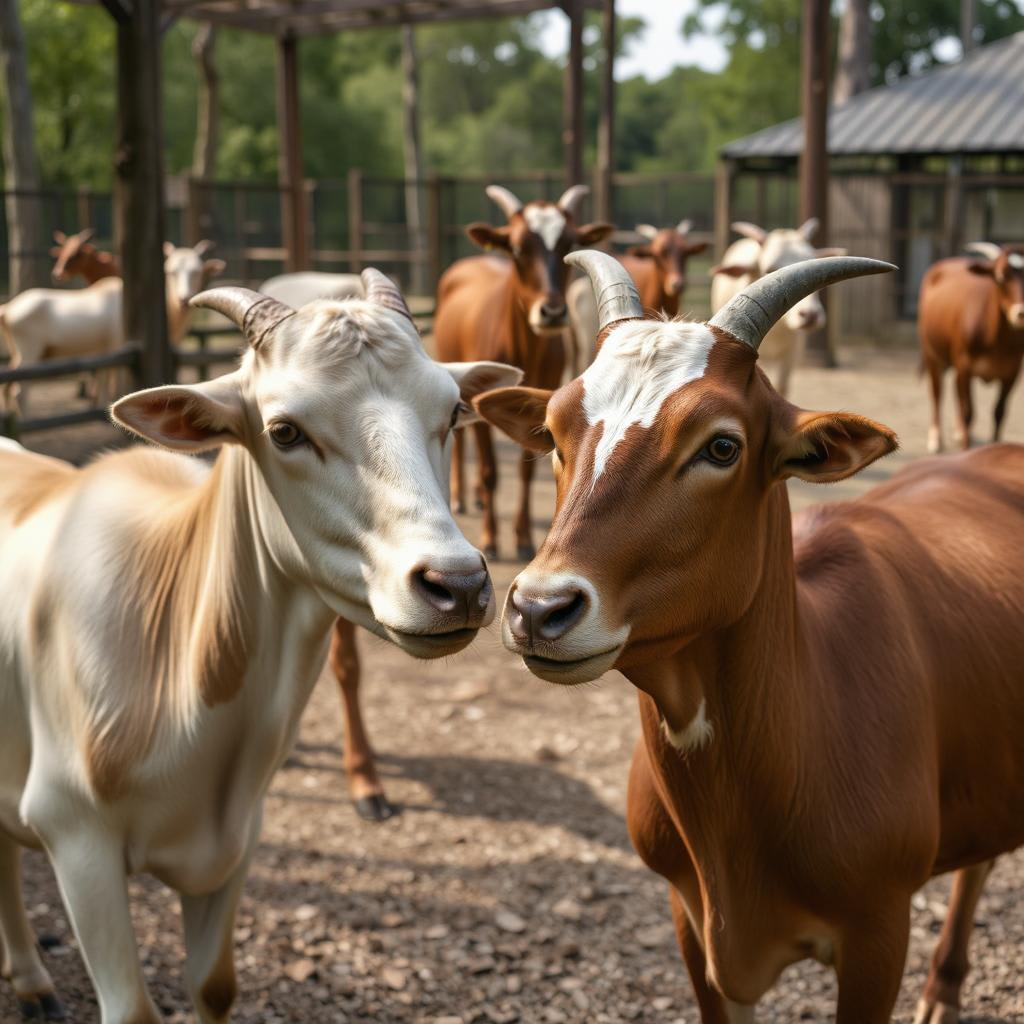
Sheep in the Zoo
When people think of zoos, they usually imagine lions, giraffes, and exotic birds with feathers brighter than the rainbow. But in one quiet corner of the Hilltop City Zoo, behind the glassy enclosures and towering animal habitats, lived a small herd of sheep.
These weren’t just any sheep. They were part of the zoo’s “Farmyard Friends” exhibit — a place where children could learn about animals they might otherwise only see in books or cartoons. Fluffy, gentle, and curious, the sheep quickly became favorites among young visitors.
Luna, the oldest ewe, was the quiet leader of the group. With her thick wool and calm eyes, she stood watch as children reached over the wooden fence to feed her small handfuls of hay. Around her bounced Pepper and Snowball, two younger sheep who had arrived from a nearby farm just a year earlier. While Luna took everything slowly, Pepper and Snowball were always on the move, chasing butterflies or playfully headbutting each other.
Every morning, the zookeepers would open the barn doors, letting in a breeze of fresh air and the gentle sounds of the zoo waking up. The elephants trumpeted in the distance, the parrots squawked, and the monkeys swung into their morning routines. But the sheep? They simply blinked, chewed, and waited for their favorite part of the day — the arrival of the school groups.
One rainy Tuesday, something unusual happened. The zoo’s newest animal, a rescued lynx named Mira, arrived in the enclosure next door. Visitors lined up to see her, and for a while, the sheep exhibit was quiet. Luna didn’t mind — she enjoyed the peace. But Pepper and Snowball seemed confused by the sudden lack of giggles and clumsy toddler hands offering treats.
"Do they not like us anymore?" Snowball asked one afternoon as they rested under the shady tree near the fence.
Pepper sighed. "Maybe we’re just too… ordinary."
Luna, wise and always listening, lifted her head. “You two are not here to be flashy. You’re here to teach.”
“Teach?” they echoed.
“Yes,” Luna said softly. “The children who come here don’t always know where their food comes from. Some of them think milk comes from cartons and wool from machines. We show them something real. Something they can touch. You teach them where the world begins — not in jungles or deserts, but in the grass under their feet.”
Snowball blinked. “But we don’t do tricks. We just… eat and bleat.”
Luna gave a small smile. “And that’s enough.”
That weekend, the zoo hosted a "Farm Day" event. Tables were set up with wool-spinning demonstrations, butter-churning stations, and storytime with farmers. Children crowded into the farmyard. They brushed the sheep, learned how wool became sweaters, and even helped feed lambs born just weeks before.
One little girl tugged on her mother’s hand and whispered, “Mommy, I want to be a farmer when I grow up.”
Pepper looked at Snowball. “Did you hear that?”
“I did,” he said with a grin. “We’re teaching.”
From then on, the sheep stood a little taller — or at least as tall as their stubby legs allowed. They realized that their place in the zoo was just as important as the cheetah’s sprint or the parrot’s colors. While they may not have come from the wild, they were helping people understand where they came from — and maybe, where they should return to now and then.
Because even in a zoo filled with animals from every corner of the earth, sometimes the most familiar creature could teach the most important lesson of all.
About the Creator
Keep reading
More stories from writers in BookClub and other communities.
My New Book is Finally Here
My poetry collection Beautiful and Brutal Things is done. It's actually done and finally published over 270 pages. Over a year of my life went into this book. More than a year, really. Long days at my computer, sometimes seven days a week because I couldn't stop even when I probably should have. Then two months of editing that felt harder than the writing itself. But it's finished, and I'm still standing, and the book is real.
By Tim Carmichael9 days ago in BookClub
7 Deep Books You Can Finish In A Single Day
In a world that moves at breakneck speed, many of us crave depth without overload. We want books that challenge our thinking, expand our emotional range, and linger in our minds—without requiring weeks of commitment. The good news? Profound reading doesn’t have to be long reading.
By Diana Meresc5 days ago in BookClub



Comments
There are no comments for this story
Be the first to respond and start the conversation.