
SELF-EDITING EPIPHANY
EXCERPT WITH A CANDID SELF- EDITING THAT EXPOSES YOUR CREATIVE RISKS
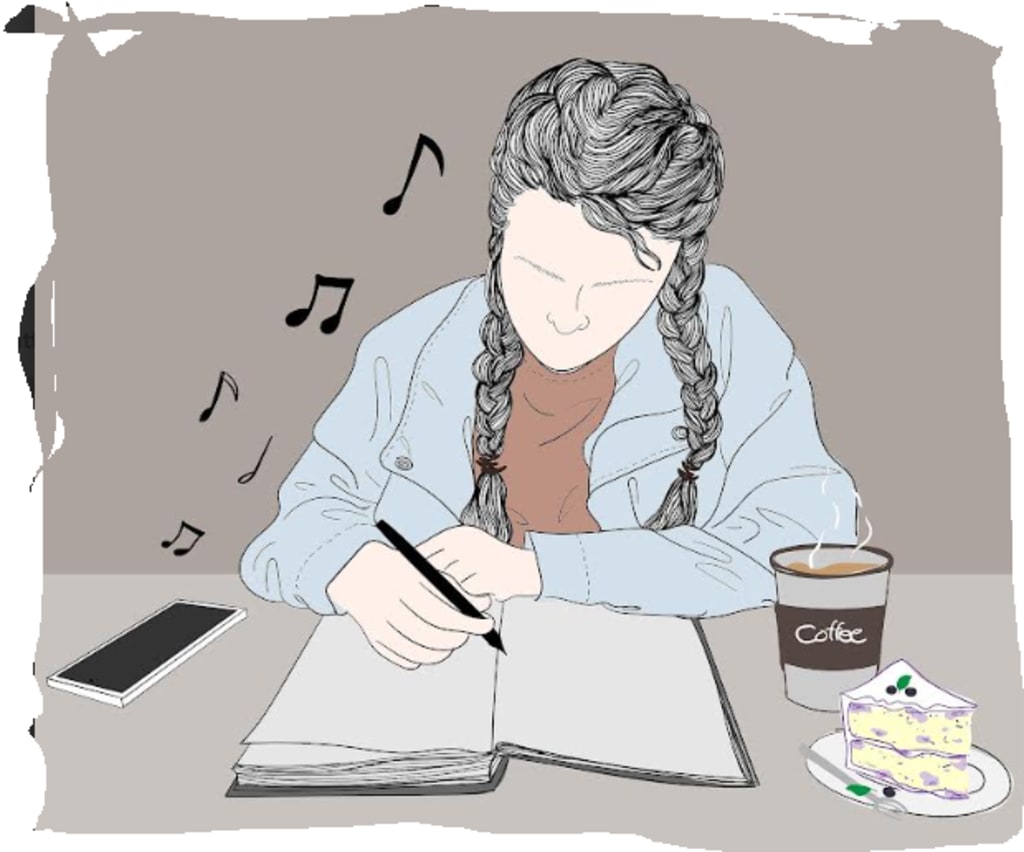
Before and After: A Journey of Imperfection and Potential
Before: The Raw, Unrefined Effort
Every creative journey begins with imperfection. Before refining anything—whether it’s writing, art, or personal growth—there’s an initial draft, an unpolished version brimming with potential but weighed down by rough edges.
I remember sitting in front of a blank page, filled with ideas but unsure how to shape them. The words tumbled out in a rush, chaotic and unstructured. Sentences were clunky, transitions were abrupt, and the message, while present, was buried under unnecessary details. But in that messy state, I saw something valuable—raw, unfiltered creativity.
In this phase, doubt often crept in. Was the idea even worth pursuing? Would refining it strip away its authenticity? It was easy to be discouraged by the flaws, but I had to remind myself: every masterpiece starts as an imperfect sketch.
This stage wasn’t just about the product; it was about my mindset. I was impatient, wanting the first draft to be perfect. I resisted the necessary step of allowing my work to be flawed. But something inside me knew that within this imperfection lay the foundation of something greater.
Recognizing the Potential
It takes a shift in perspective to see beyond the imperfections. Instead of focusing on what was wrong, I started looking at what was right. The ideas, though unrefined, had substance. The structure, though weak, had a skeleton. The execution, though rough, had passion.
This moment—the realization that my work had potential—was the first epiphany. It wasn’t about perfection; it was about possibilities. I began to see that the first version wasn’t a failure but a necessary starting point.
The Process: Peeling Back the Layers
Self-editing is more than fixing mistakes; it’s an excavation process. It’s about peeling back the unnecessary layers to reveal the true essence of the work. But this process wasn’t just about the piece itself—it was about my approach to creativity.
1. Distance and Perspective
The first step was stepping away. Giving myself time to detach emotionally from my work allowed me to see it with fresh eyes. What seemed brilliant in the moment of creation sometimes turned out to be weak upon review, and what seemed unimportant sometimes became the core of the piece.
Distance helped me approach editing with clarity. Instead of feeling defensive about my choices, I became curious. What could be better? What was unnecessary? What was the heart of this piece?
2. Cutting Away the Excess
One of the hardest parts of editing was letting go of words, phrases, and ideas that didn’t serve the final product. Some sentences were beautifully written but didn’t contribute to the overall message. Others were redundant, saying the same thing in different ways.
This was painful at first. It felt like erasing pieces of myself. But then I realized: cutting away the excess didn’t diminish the work; it strengthened it. Like sculpting, it was about removing what didn’t belong to reveal what did.
3. Finding the Flow
In the before-stage, my writing often lacked smooth transitions. The ideas existed, but they didn’t connect seamlessly. During editing, I focused on flow—how one thought led to another, how the reader would move through the piece.
I restructured, rewrote, and sometimes even started over. I learned to trust that no edit was wasted effort; every change brought me closer to clarity.
4. Honesty in the Process
True self-editing required brutal honesty. Was I holding onto a weak idea out of attachment? Was I avoiding necessary changes because they were difficult? These were uncomfortable questions, but facing them made all the difference.
I stopped justifying flaws and started addressing them. Instead of fearing the work that needed to be done, I embraced it.
After: The Refined, Intentional Creation
After peeling back the layers, what remained was something transformed. The heart of the work was still there, but now it was clear, intentional, and strong.
1. Imperfection as Strength
Even in its refined state, the final version wasn’t "perfect"—because perfection isn’t the goal. Instead, it was authentic. The imperfections that remained were purposeful; they added character rather than distraction.
2. Confidence in the Process
The most valuable lesson wasn’t just about editing; it was about trust. Trust in the process, trust in the work, and trust in myself. The fear of imperfection no longer held me back because I understood that imperfection was the starting point, not the end.
3. Growth Beyond the Work
This process of self-editing extended beyond creativity. It became a mindset—a way to approach personal growth. Just like a rough draft, I wasn’t a finished product. I had layers to peel back, flaws to refine, and potential to uncover.
Self-editing, whether in writing or life, is an ongoing process. It’s about recognizing where you are, envisioning where you want to be, and doing the work to bridge the gap. And in that journey, the most powerful realization is this: the potential was there all along.
Final Thoughts
The before and after of any creative process isn’t just about the work itself—it’s about how we evolve alongside it. The ability to self-edit, to refine, to improve isn’t just a skill; it’s a mindset. And once you embrace that mindset, every imperfection becomes an opportunity, every draft a stepping stone, and every epiphany a moment of transformation.
Before and After: A Journey of Imperfection and Potential
Before: The Raw, Unrefined Effort
Every creative journey begins with imperfection. Before refining anything—whether it’s writing, art, or personal growth—there’s an initial draft, an unpolished version brimming with potential but weighed down by rough edges.
I remember sitting in front of a blank page, filled with ideas but unsure how to shape them. The words tumbled out in a rush, chaotic and unstructured. Sentences were clunky, transitions were abrupt, and the message, while present, was buried under unnecessary details. But in that messy state, I saw something valuable—raw, unfiltered creativity.
In this phase, doubt often crept in. Was the idea even worth pursuing? Would refining it strip away its authenticity? It was easy to be discouraged by the flaws, but I had to remind myself: every masterpiece starts as an imperfect sketch.
This stage wasn’t just about the product; it was about my mindset. I was impatient, wanting the first draft to be perfect. I resisted the necessary step of allowing my work to be flawed. But something inside me knew that within this imperfection lay the foundation of something greater.
Recognizing the Potential
It takes a shift in perspective to see beyond the imperfections. Instead of focusing on what was wrong, I started looking at what was right. The ideas, though unrefined, had substance. The structure, though weak, had a skeleton. The execution, though rough, had passion.
This moment—the realization that my work had potential—was the first epiphany. It wasn’t about perfection; it was about possibilities. I began to see that the first version wasn’t a failure but a necessary starting point.
The Process: Peeling Back the Layers
Self-editing is more than fixing mistakes; it’s an excavation process. It’s about peeling back the unnecessary layers to reveal the true essence of the work. But this process wasn’t just about the piece itself—it was about my approach to creativity.
1. Distance and Perspective
The first step was stepping away. Giving myself time to detach emotionally from my work allowed me to see it with fresh eyes. What seemed brilliant in the moment of creation sometimes turned out to be weak upon review, and what seemed unimportant sometimes became the core of the piece.
Distance helped me approach editing with clarity. Instead of feeling defensive about my choices, I became curious. What could be better? What was unnecessary? What was the heart of this piece?
2. Cutting Away the Excess
One of the hardest parts of editing was letting go of words, phrases, and ideas that didn’t serve the final product. Some sentences were beautifully written but didn’t contribute to the overall message. Others were redundant, saying the same thing in different ways.
This was painful at first. It felt like erasing pieces of myself. But then I realized: cutting away the excess didn’t diminish the work; it strengthened it. Like sculpting, it was about removing what didn’t belong to reveal what did.
3. Finding the Flow
In the before-stage, my writing often lacked smooth transitions. The ideas existed, but they didn’t connect seamlessly. During editing, I focused on flow—how one thought led to another, how the reader would move through the piece.
I restructured, rewrote, and sometimes even started over. I learned to trust that no edit was wasted effort; every change brought me closer to clarity.
4. Honesty in the Process
True self-editing required brutal honesty. Was I holding onto a weak idea out of attachment? Was I avoiding necessary changes because they were difficult? These were uncomfortable questions, but facing them made all the difference.
I stopped justifying flaws and started addressing them. Instead of fearing the work that needed to be done, I embraced it.
After: The Refined, Intentional Creation
After peeling back the layers, what remained was something transformed. The heart of the work was still there, but now it was clear, intentional, and strong.
1. Imperfection as Strength
Even in its refined state, the final version wasn’t "perfect"—because perfection isn’t the goal. Instead, it was authentic. The imperfections that remained were purposeful; they added character rather than distraction.
2. Confidence in the Process
The most valuable lesson wasn’t just about editing; it was about trust. Trust in the process, trust in the work, and trust in myself. The fear of imperfection no longer held me back because I understood that imperfection was the starting point, not the end.
3. Growth Beyond the Work
This process of self-editing extended beyond creativity. It became a mindset—a way to approach personal growth. Just like a rough draft, I wasn’t a finished product. I had layers to peel back, flaws to refine, and potential to uncover.
Self-editing, whether in writing or life, is an ongoing process. It’s about recognizing where you are, envisioning where you want to be, and doing the work to bridge the gap. And in that journey, the most powerful realization is this: the potential was there all along.
Final Thoughts
The before and after of any creative process isn’t just about the work itself—it’s about how we evolve alongside it. The ability to self-edit, to refine, to improve isn’t just a skill; it’s a mindset. And once you embrace that mindset, every imperfection becomes an opportunity, every draft a stepping stone, and every epiphany a moment of transformation.
Before and After: A Journey of Imperfection and Potential
Before: The Raw, Unrefined Effort
Every creative journey begins with imperfection. Before refining anything—whether it’s writing, art, or personal growth—there’s an initial draft, an unpolished version brimming with potential but weighed down by rough edges.
I remember sitting in front of a blank page, filled with ideas but unsure how to shape them. The words tumbled out in a rush, chaotic and unstructured. Sentences were clunky, transitions were abrupt, and the message, while present, was buried under unnecessary details. But in that messy state, I saw something valuable—raw, unfiltered creativity.
In this phase, doubt often crept in. Was the idea even worth pursuing? Would refining it strip away its authenticity? It was easy to be discouraged by the flaws, but I had to remind myself: every masterpiece starts as an imperfect sketch.
This stage wasn’t just about the product; it was about my mindset. I was impatient, wanting the first draft to be perfect. I resisted the necessary step of allowing my work to be flawed. But something inside me knew that within this imperfection lay the foundation of something greater.
Recognizing the Potential
It takes a shift in perspective to see beyond the imperfections. Instead of focusing on what was wrong, I started looking at what was right. The ideas, though unrefined, had substance. The structure, though weak, had a skeleton. The execution, though rough, had passion.
This moment—the realization that my work had potential—was the first epiphany. It wasn’t about perfection; it was about possibilities. I began to see that the first version wasn’t a failure but a necessary starting point.
The Process: Peeling Back the Layers
Self-editing is more than fixing mistakes; it’s an excavation process. It’s about peeling back the unnecessary layers to reveal the true essence of the work. But this process wasn’t just about the piece itself—it was about my approach to creativity.
1. Distance and Perspective
The first step was stepping away. Giving myself time to detach emotionally from my work allowed me to see it with fresh eyes. What seemed brilliant in the moment of creation sometimes turned out to be weak upon review, and what seemed unimportant sometimes became the core of the piece.
Distance helped me approach editing with clarity. Instead of feeling defensive about my choices, I became curious. What could be better? What was unnecessary? What was the heart of this piece?
2. Cutting Away the Excess
One of the hardest parts of editing was letting go of words, phrases, and ideas that didn’t serve the final product. Some sentences were beautifully written but didn’t contribute to the overall message. Others were redundant, saying the same thing in different ways.
This was painful at first. It felt like erasing pieces of myself. But then I realized: cutting away the excess didn’t diminish the work; it strengthened it. Like sculpting, it was about removing what didn’t belong to reveal what did.
3. Finding the Flow
In the before-stage, my writing often lacked smooth transitions. The ideas existed, but they didn’t connect seamlessly. During editing, I focused on flow—how one thought led to another, how the reader would move through the piece.
I restructured, rewrote, and sometimes even started over. I learned to trust that no edit was wasted effort; every change brought me closer to clarity.
4. Honesty in the Process
True self-editing required brutal honesty. Was I holding onto a weak idea out of attachment? Was I avoiding necessary changes because they were difficult? These were uncomfortable questions, but facing them made all the difference.
I stopped justifying flaws and started addressing them. Instead of fearing the work that needed to be done, I embraced it.
After: The Refined, Intentional Creation
After peeling back the layers, what remained was something transformed. The heart of the work was still there, but now it was clear, intentional, and strong.
1. Imperfection as Strength
Even in its refined state, the final version wasn’t "perfect"—because perfection isn’t the goal. Instead, it was authentic. The imperfections that remained were purposeful; they added character rather than distraction.
2. Confidence in the Process
The most valuable lesson wasn’t just about editing; it was about trust. Trust in the process, trust in the work, and trust in myself. The fear of imperfection no longer held me back because I understood that imperfection was the starting point, not the end.
3. Growth Beyond the Work
This process of self-editing extended beyond creativity. It became a mindset—a way to approach personal growth. Just like a rough draft, I wasn’t a finished product. I had layers to peel back, flaws to refine, and potential to uncover.
Self-editing, whether in writing or life, is an ongoing process. It’s about recognizing where you are, envisioning where you want to be, and doing the work to bridge the gap. And in that journey, the most powerful realization is this: the potential was there all along.
Final Thoughts
The before and after of any creative process isn’t just about the work itself—it’s about how we evolve alongside it. The ability to self-edit, to refine, to improve isn’t just a skill; it’s a mindset. And once you embrace that mindset, every imperfection becomes an opportunity, every draft a stepping stone, and every epiphany a moment of transformation.Before and After: A Journey of Imperfection and Potential
Before: The Raw, Unrefined Effort
Every creative journey begins with imperfection. Before refining anything—whether it’s writing, art, or personal growth—there’s an initial draft, an unpolished version brimming with potential but weighed down by rough edges.
I remember sitting in front of a blank page, filled with ideas but unsure how to shape them. The words tumbled out in a rush, chaotic and unstructured. Sentences were clunky, transitions were abrupt, and the message, while present, was buried under unnecessary details. But in that messy state, I saw something valuable—raw, unfiltered creativity.
In this phase, doubt often crept in. Was the idea even worth pursuing? Would refining it strip away its authenticity? It was easy to be discouraged by the flaws, but I had to remind myself: every masterpiece starts as an imperfect sketch.
This stage wasn’t just about the product; it was about my mindset. I was impatient, wanting the first draft to be perfect. I resisted the necessary step of allowing my work to be flawed. But something inside me knew that within this imperfection lay the foundation of something greater.
Recognizing the Potential
It takes a shift in perspective to see beyond the imperfections. Instead of focusing on what was wrong, I started looking at what was right. The ideas, though unrefined, had substance. The structure, though weak, had a skeleton. The execution, though rough, had passion.
This moment—the realization that my work had potential—was the first epiphany. It wasn’t about perfection; it was about possibilities. I began to see that the first version wasn’t a failure but a necessary starting point.
The Process: Peeling Back the Layers
Self-editing is more than fixing mistakes; it’s an excavation process. It’s about peeling back the unnecessary layers to reveal the true essence of the work. But this process wasn’t just about the piece itself—it was about my approach to creativity.
1. Distance and Perspective
The first step was stepping away. Giving myself time to detach emotionally from my work allowed me to see it with fresh eyes. What seemed brilliant in the moment of creation sometimes turned out to be weak upon review, and what seemed unimportant sometimes became the core of the piece.
Distance helped me approach editing with clarity. Instead of feeling defensive about my choices, I became curious. What could be better? What was unnecessary? What was the heart of this piece?
2. Cutting Away the Excess
One of the hardest parts of editing was letting go of words, phrases, and ideas that didn’t serve the final product. Some sentences were beautifully written but didn’t contribute to the overall message. Others were redundant, saying the same thing in different ways.
This was painful at first. It felt like erasing pieces of myself. But then I realized: cutting away the excess didn’t diminish the work; it strengthened it. Like sculpting, it was about removing what didn’t belong to reveal what did.
3. Finding the Flow
In the before-stage, my writing often lacked smooth transitions. The ideas existed, but they didn’t connect seamlessly. During editing, I focused on flow—how one thought led to another, how the reader would move through the piece.
I restructured, rewrote, and sometimes even started over. I learned to trust that no edit was wasted effort; every change brought me closer to clarity.
4. Honesty in the Process
True self-editing required brutal honesty. Was I holding onto a weak idea out of attachment? Was I avoiding necessary changes because they were difficult? These were uncomfortable questions, but facing them made all the difference.
I stopped justifying flaws and started addressing them. Instead of fearing the work that needed to be done, I embraced it.
After: The Refined, Intentional Creation
After peeling back the layers, what remained was something transformed. The heart of the work was still there, but now it was clear, intentional, and strong.
1. Imperfection as Strength
Even in its refined state, the final version wasn’t "perfect"—because perfection isn’t the goal. Instead, it was authentic. The imperfections that remained were purposeful; they added character rather than distraction.
2. Confidence in the Process
The most valuable lesson wasn’t just about editing; it was about trust. Trust in the process, trust in the work, and trust in myself. The fear of imperfection no longer held me back because I understood that imperfection was the starting point, not the end.
3. Growth Beyond the Work
This process of self-editing extended beyond creativity. It became a mindset—a way to approach personal growth. Just like a rough draft, I wasn’t a finished product. I had layers to peel back, flaws to refine, and potential to uncover.
Self-editing, whether in writing or life, is an ongoing process. It’s about recognizing where you are, envisioning where you want to be, and doing the work to bridge the gap. And in that journey, the most powerful realization is this: the potential was there all along.
Final Thoughts
The before and after of any creative process isn’t just about the work itself—it’s about how we evolve alongside it. The ability to self-edit, to refine, to improve isn’t just a skill; it’s a mindset. And once you embrace that mindset, every imperfection becomes an opportunity, every draft a stepping stone, and every epiphany a moment of transformation.
Before and After: A Journey of Imperfection and Potential
Before: The Raw, Unrefined Effort
Every creative journey begins with imperfection. Before refining anything—whether it’s writing, art, or personal growth—there’s an initial draft, an unpolished version brimming with potential but weighed down by rough edges.
I remember sitting in front of a blank page, filled with ideas but unsure how to shape them. The words tumbled out in a rush, chaotic and unstructured. Sentences were clunky, transitions were abrupt, and the message, while present, was buried under unnecessary details. But in that messy state, I saw something valuable—raw, unfiltered creativity.
In this phase, doubt often crept in. Was the idea even worth pursuing? Would refining it strip away its authenticity? It was easy to be discouraged by the flaws, but I had to remind myself: every masterpiece starts as an imperfect sketch.
This stage wasn’t just about the product; it was about my mindset. I was impatient, wanting the first draft to be perfect. I resisted the necessary step of allowing my work to be flawed. But something inside me knew that within this imperfection lay the foundation of something greater.
Recognizing the Potential
It takes a shift in perspective to see beyond the imperfections. Instead of focusing on what was wrong, I started looking at what was right. The ideas, though unrefined, had substance. The structure, though weak, had a skeleton. The execution, though rough, had passion.
This moment—the realization that my work had potential—was the first epiphany. It wasn’t about perfection; it was about possibilities. I began to see that the first version wasn’t a failure but a necessary starting point.
The Process: Peeling Back the Layers
Self-editing is more than fixing mistakes; it’s an excavation process. It’s about peeling back the unnecessary layers to reveal the true essence of the work. But this process wasn’t just about the piece itself—it was about my approach to creativity.
1. Distance and Perspective
The first step was stepping away. Giving myself time to detach emotionally from my work allowed me to see it with fresh eyes. What seemed brilliant in the moment of creation sometimes turned out to be weak upon review, and what seemed unimportant sometimes became the core of the piece.
Distance helped me approach editing with clarity. Instead of feeling defensive about my choices, I became curious. What could be better? What was unnecessary? What was the heart of this piece?
2. Cutting Away the Excess
One of the hardest parts of editing was letting go of words, phrases, and ideas that didn’t serve the final product. Some sentences were beautifully written but didn’t contribute to the overall message. Others were redundant, saying the same thing in different ways.
This was painful at first. It felt like erasing pieces of myself. But then I realized: cutting away the excess didn’t diminish the work; it strengthened it. Like sculpting, it was about removing what didn’t belong to reveal what did.
3. Finding the Flow
In the before-stage, my writing often lacked smooth transitions. The ideas existed, but they didn’t connect seamlessly. During editing, I focused on flow—how one thought led to another, how the reader would move through the piece.
I restructured, rewrote, and sometimes even started over. I learned to trust that no edit was wasted effort; every change brought me closer to clarity.
4. Honesty in the Process
True self-editing required brutal honesty. Was I holding onto a weak idea out of attachment? Was I avoiding necessary changes because they were difficult? These were uncomfortable questions, but facing them made all the difference.
I stopped justifying flaws and started addressing them. Instead of fearing the work that needed to be done, I embraced it.
After: The Refined, Intentional Creation
After peeling back the layers, what remained was something transformed. The heart of the work was still there, but now it was clear, intentional, and strong.
1. Imperfection as Strength
Even in its refined state, the final version wasn’t "perfect"—because perfection isn’t the goal. Instead, it was authentic. The imperfections that remained were purposeful; they added character rather than distraction.
2. Confidence in the Process
The most valuable lesson wasn’t just about editing; it was about trust. Trust in the process, trust in the work, and trust in myself. The fear of imperfection no longer held me back because I understood that imperfection was the starting point, not the end.
3. Growth Beyond the Work
This process of self-editing extended beyond creativity. It became a mindset—a way to approach personal growth. Just like a rough draft, I wasn’t a finished product. I had layers to peel back, flaws to refine, and potential to uncover.
Self-editing, whether in writing or life, is an ongoing process. It’s about recognizing where you are, envisioning where you want to be, and doing the work to bridge the gap. And in that journey, the most powerful realization is this: the potential was there all along.
Final Thoughts
The before and after of any creative process isn’t just about the work itself—it’s about how we evolve alongside it. The ability to self-edit, to refine, to improve isn’t just a skill; it’s a mindset. And once you embrace that mindset, every imperfection becomes an opportunity, every draft a stepping stone, and every epiphany a moment of transformation.
Before and After: A Journey of Imperfection and Potential
Before: The Raw, Unrefined Effort
Every creative journey begins with imperfection. Before refining anything—whether it’s writing, art, or personal growth—there’s an initial draft, an unpolished version brimming with potential but weighed down by rough edges.
I remember sitting in front of a blank page, filled with ideas but unsure how to shape them. The words tumbled out in a rush, chaotic and unstructured. Sentences were clunky, transitions were abrupt, and the message, while present, was buried under unnecessary details. But in that messy state, I saw something valuable—raw, unfiltered creativity.
In this phase, doubt often crept in. Was the idea even worth pursuing? Would refining it strip away its authenticity? It was easy to be discouraged by the flaws, but I had to remind myself: every masterpiece starts as an imperfect sketch.
This stage wasn’t just about the product; it was about my mindset. I was impatient, wanting the first draft to be perfect. I resisted the necessary step of allowing my work to be flawed. But something inside me knew that within this imperfection lay the foundation of something greater.
Recognizing the Potential
It takes a shift in perspective to see beyond the imperfections. Instead of focusing on what was wrong, I started looking at what was right. The ideas, though unrefined, had substance. The structure, though weak, had a skeleton. The execution, though rough, had passion.
This moment—the realization that my work had potential—was the first epiphany. It wasn’t about perfection; it was about possibilities. I began to see that the first version wasn’t a failure but a necessary starting point.
The Process: Peeling Back the Layers
Self-editing is more than fixing mistakes; it’s an excavation process. It’s about peeling back the unnecessary layers to reveal the true essence of the work. But this process wasn’t just about the piece itself—it was about my approach to creativity.
1. Distance and Perspective
The first step was stepping away. Giving myself time to detach emotionally from my work allowed me to see it with fresh eyes. What seemed brilliant in the moment of creation sometimes turned out to be weak upon review, and what seemed unimportant sometimes became the core of the piece.
Distance helped me approach editing with clarity. Instead of feeling defensive about my choices, I became curious. What could be better? What was unnecessary? What was the heart of this piece?
2. Cutting Away the Excess
One of the hardest parts of editing was letting go of words, phrases, and ideas that didn’t serve the final product. Some sentences were beautifully written but didn’t contribute to the overall message. Others were redundant, saying the same thing in different ways.
This was painful at first. It felt like erasing pieces of myself. But then I realized: cutting away the excess didn’t diminish the work; it strengthened it. Like sculpting, it was about removing what didn’t belong to reveal what did.
3. Finding the Flow
In the before-stage, my writing often lacked smooth transitions. The ideas existed, but they didn’t connect seamlessly. During editing, I focused on flow—how one thought led to another, how the reader would move through the piece.
I restructured, rewrote, and sometimes even started over. I learned to trust that no edit was wasted effort; every change brought me closer to clarity.
4. Honesty in the Process
True self-editing required brutal honesty. Was I holding onto a weak idea out of attachment? Was I avoiding necessary changes because they were difficult? These were uncomfortable questions, but facing them made all the difference.
I stopped justifying flaws and started addressing them. Instead of fearing the work that needed to be done, I embraced it.
After: The Refined, Intentional Creation
After peeling back the layers, what remained was something transformed. The heart of the work was still there, but now it was clear, intentional, and strong.
1. Imperfection as Strength
Even in its refined state, the final version wasn’t "perfect"—because perfection isn’t the goal. Instead, it was authentic. The imperfections that remained were purposeful; they added character rather than distraction.
2. Confidence in the Process
The most valuable lesson wasn’t just about editing; it was about trust. Trust in the process, trust in the work, and trust in myself. The fear of imperfection no longer held me back because I understood that imperfection was the starting point, not the end.
3. Growth Beyond the Work
This process of self-editing extended beyond creativity. It became a mindset—a way to approach personal growth. Just like a rough draft, I wasn’t a finished product. I had layers to peel back, flaws to refine, and potential to uncover.
Self-editing, whether in writing or life, is an ongoing process. It’s about recognizing where you are, envisioning where you want to be, and doing the work to bridge the gap. And in that journey, the most powerful realization is this: the potential was there all along.
Final Thoughts
The before and after of any creative process isn’t just about the work itself—it’s about how we evolve alongside it. The ability to self-edit, to refine, to improve isn’t just a skill; it’s a mindset. And once you embrace that mindset, every imperfection becomes an opportunity, every draft a stepping stone, and every epiphany a moment of transformation.
About the Creator
Keep reading
More stories from LYDIA NKIROTE and writers in BookClub and other communities.
ABSURDIST AWAKENING
Enter the Realm of the Bizarre: Transforming Everyday Moments into Extraordinary, Laugh-Out-Loud Escapes Life has a way of becoming routine. We wake up, go to work, complete our tasks, eat, sleep, and repeat. But what if we could take these everyday moments and twist them into something unexpected? Something bizarre, extraordinary, and—most importantly—hilarious?
By LYDIA NKIROTE12 months ago in Families
Rachel Reviews: Lakefront Wolves by Joseph Deegan
Meet Finn. He's an 18 year old kid who has potential. He's bright with great school scores and he's also an athlete, a footballer of some prowess. He has it all going for him, it would seem, and yet, he's determined to send what could be a well-planned, stable existence firmly off the rails. He drinks, he smokes, he takes drugs, he has violent tendencies and he's in danger of losing not only his mind but all that he holds dear.
By Rachel Deeming4 days ago in BookClub
7 Must-Read Books for Lovers of Witty Banter
In the realm of literature, few pleasures rival the delight of witty banter. Those sharp, sparkling exchanges between characters can turn an ordinary story into a memorable experience, keeping readers laughing, sighing, and fully engaged. Witty dialogue is not just entertainment—it’s a lens into character intelligence, social dynamics, and cultural nuance.
By Diana Meresc7 days ago in BookClub


Comments
There are no comments for this story
Be the first to respond and start the conversation.