
Root & Ritual: A Guide to Green Witchcraft
Tending the living world with Magic, Mindfulness, and Muddy Hands

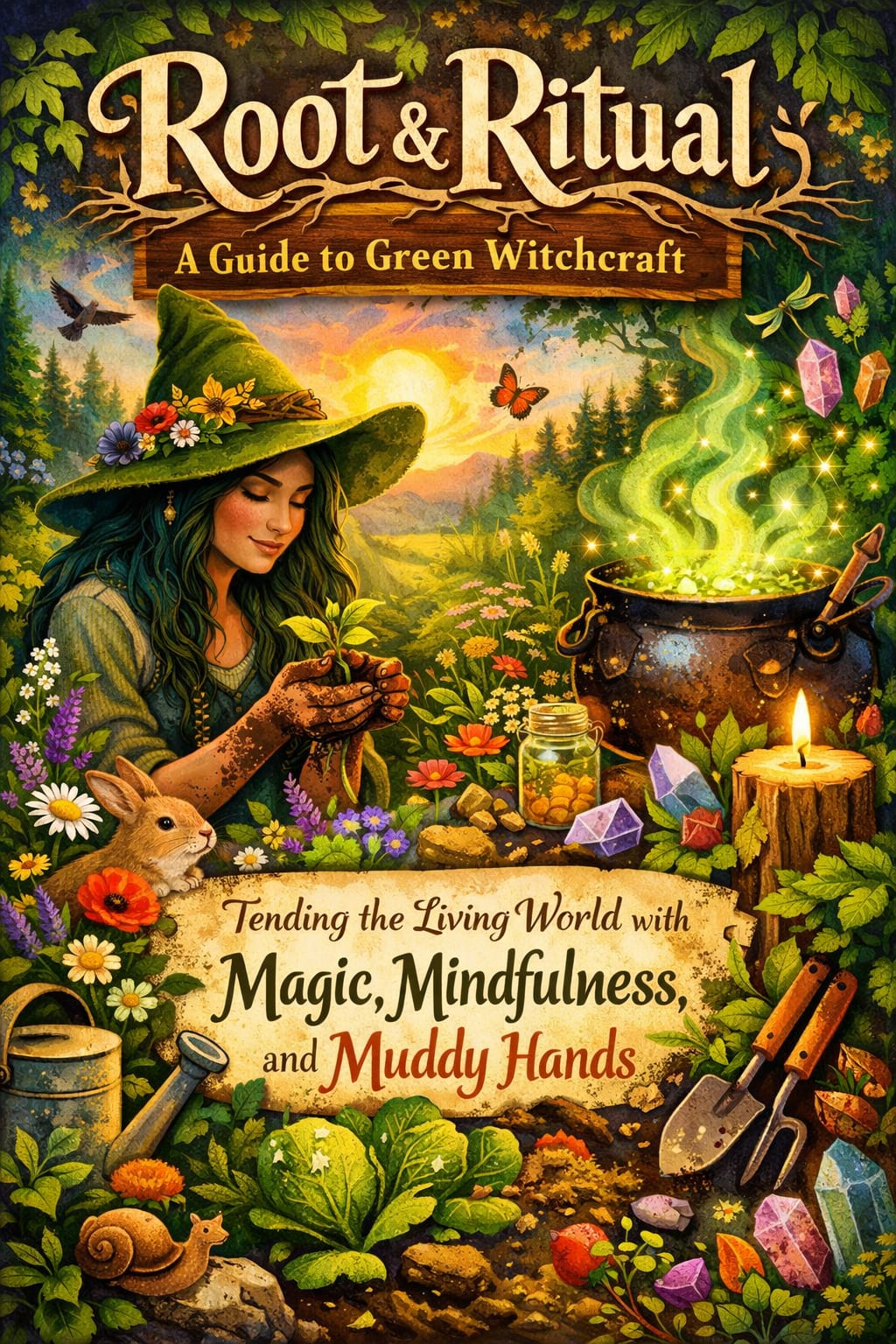
The Whispering Path of Green Witchcraft
Green witchcraft, sometimes known as garden witchery, herbal magic, or simply nature witchcraft, feels less like a system to master and more like a path learned through touch, observation, and quiet devotion. It begins with a willingness to listen. The soil presses its coolness into bare feet, wind moves through leaves like a soft breath, and water carries its own quiet wisdom. Green witches shape their practice from these experiences. Their magic grows from relationship and consistency rather than from dramatic ritual.
This path moves with the same rhythm that guides the living world. Seasons turn, the Moon shifts its shape in the sky, and the sun marks its high and low points with solstices and equinoxes. Green witches feel these changes as gentle inner tides. Aligning practice with these cycles brings balance and helps cultivate awareness of personal rhythms. It becomes a way of living in step with both the outer world and the inner landscape of the mind and spirit.
Green witchcraft blends the mystical with the practical. Working with herbs, flowers, trees, and stones becomes a conversation with the natural world. Plants become teachers. Chamomile offers calm. Rosemary sharpens focus. Yarrow speaks of resilience and protection. Simple actions take on the weight of meaning. Pressing a seed into soil, gathering herbs at first light, or brewing a fragrant infusion becomes a quiet ritual that nourishes both body and soul.
Magic on this path is grounded and humble. It is not only spoken. It is grown, gathered, prepared, and woven through daily life. Each action carries intention. Harvesting wildflowers becomes a moment of gratitude. Tending a garden becomes a kind of prayer. By working with nature rather than trying to force results, green witches learn the art of co-creation. The craft becomes a partnership with the living world.
Ethics lie at the heart of this practice. There is a deep understanding that every gift from nature deserves respect. When something is taken, something is given back. This might be composting, planting new growth, tending a natural space, or offering silent thanks. Sustainability and reciprocity are guiding principles, shaped by the belief that magic is strongest when it flows in harmony with life.
Green witchcraft is a path for those who wish to move through the world with intention and open senses. It is the feeling of soil beneath fingernails, moonlight shining on leaves, and the gentle pull of intuition guiding each step. It invites a life filled with curiosity, creativity, mindfulness, and respect for the Earth. It is a path where hands meet soil, eyes lift to the sky, and the heart listens for the quiet teachings of the natural world.
Key Terms
Green Witch:
A green witch is someone whose craft grows out of a deep relationship with nature. This practitioner works with plants, herbs, soil, and the quiet movements of the natural world. The practice often blends herbalism, gardening, observation, and hands-on magic. A green witch pays close attention to the rhythms of the Earth and the cycles of the Moon, weaving these patterns into spells, rituals, and personal growth.
Herbalism:
Herbalism is the art and study of using plants for healing, nourishment, and magical support. A green witch learns to recognize both cultivated and wild herbs and understands how each plant tends the body, soothes emotions, or opens spiritual insight. Herbal work may involve creating teas, tinctures, salves, charms, incense, or simple potions made with care and intention.
Seasonal Magic:
Seasonal magic invites the practitioner to move in step with the shifting year. Solstices, equinoxes, and the Moon’s phases become natural guideposts. This type of magic strengthens a witch’s connection to nature and offers ways to direct intention at times when energy is rising, settling, or turning inward. Planting and harvesting rituals, Moon meditations, and seasonal ceremonies are all common expressions of this practice.
Sympathetic Magic:
Sympathetic magic relies on the belief that certain objects, symbols, or actions can influence an outcome through their natural connection to it. Green witches often use this approach when working with plants. A sprig of rosemary may be used for protection, while a rose might support love or healing. The principle rests on the idea that like calls to like.
Eco-Magic:
Eco-magic centers on practicing magic in a way that nurtures rather than harms the environment. This includes choosing organic herbs, using biodegradable candles, composting ritual remains, and harvesting natural materials responsibly. Eco-magic reflects a commitment to honoring the planet while crafting spells and rituals.
Hedgewitch and Hedgecraft:
Hedgecraft explores the liminal spaces that sit between the physical world and the spiritual realm. This practice is sometimes described as traveling along the hedge, a symbolic boundary that separates the seen from the unseen. A hedgewitch may use meditation, trance, or visionary journeying to seek guidance from spirits, ancestors, or hidden realms. Plant magic, divination, and threshold rituals often support this work.
Nature Spirits:
Nature spirits are believed to inhabit the living world, appearing in trees, rivers, stones, or secluded gardens. A green witch may connect with these spirits for guidance, protection, or companionship in magical work. These relationships are built on respect, offerings, and consent, with an understanding that these beings deserve the same care given to any ally.
Elemental Magic:
Elemental magic involves working with the traditional elements of earth, air, fire, and water. Each element carries its own qualities and lessons. Green witches often use soil, stones, water, flame, or the movement of air in rituals. Aligning a spell with the character of an element brings clarity and strength to the work.
Wildcrafting:
Wildcrafting is the careful and ethical gathering of plants from natural spaces. A green witch studies the land, learns to identify species correctly, and harvests only what is needed. The goal is to take in a way that leaves the ecosystem healthy and thriving. This practice blends botanical knowledge with mindfulness and gratitude.
Altar:
An altar is a dedicated space for magical and spiritual work. For a green witch, it might hold herbs, crystals, natural objects, candles, or seasonal offerings. The altar becomes a quiet center for spells, meditation, rituals, and conversation with the unseen.
Grimoire or Book of Shadows:
A grimoire or Book of Shadows is a personal journal for recording magical knowledge. A green witch fills these pages with herbal recipes, observations, correspondences, spells, reflections, and the results of experiments. Over time, the book becomes a living record of the practitioner’s growth.
Correspondences:
Correspondences describe the natural associations between objects, energies, and intentions. A green witch studies how specific plants, minerals, or elements support a magical goal. Sage may be used for purification, thyme for courage, and moonstone for intuition. These connections guide spellwork and deepen understanding.
Moon Magic and Lunar Work:
Moon magic aligns practice with the shifting face of the Moon. Each phase supports a different kind of intention. The waxing Moon encourages growth, the full Moon brings illumination and power, the waning Moon supports release, and the new Moon invites reflection and new beginnings. Green witches often tailor rituals to these phases.
Eco-Conscious Ritual Tools:
Eco-conscious tools are chosen with the health of the planet in mind. These tools may include reusable items, biodegradable materials, sustainably sourced herbs, or ethically gathered stones. The goal is to avoid unnecessary waste or harm while practicing magic.
Divination:
Divination provides insight and guidance by reading patterns, symbols, or subtle energies. A green witch might use stones, bones, leaves, tea leaves, pendulums, or herbal runes. These tools help align choices with natural cycles and unseen influences.
Seasonal Observances and Sabbats:
Seasonal observances honor key turning points in the year. Many green witches celebrate the solstices, equinoxes, and the cross-quarter days that form the eight Sabbats. These celebrations acknowledge the changing seasons, the cycles of plant life, and the interconnected nature of all living things.
Key Figures and Contributions
Green witchcraft does not begin with a single founder or a neat historical origin. Instead, it rises from centuries of herbal lore, folk practices, and nature-centered spirituality. Over time, certain individuals helped shape the modern form of this path. Their writings and teachings encouraged ethical practice, ecological awareness, and a deeper connection to the living world. Their influence continues to guide many who walk the green path today.
Doreen Valiente (1922 to 1999):
Doreen Valiente is often remembered as the Mother of Modern Witchcraft. Her work in the early Wiccan movement opened the door for a more intimate relationship with nature. She emphasized reverence for the Earth, the turning of the seasons, and the quiet wisdom found in the natural world. Valiente’s poetry carried a sense of wonder and devotion that helped bring spiritual depth to ritual work. Through her words, many practitioners discovered that witchcraft could be both sacred and practical, grounded in ethics, creativity, and respect for life.
Scott Cunningham (1956 to 1993):
Scott Cunningham played a central role in introducing herbal magic and green practices to solitary witches. His books offered straightforward guidance and invited readers to approach magic with curiosity rather than intimidation. Works such as his encyclopedia of magical herbs and his writings on everyday witchcraft helped make herbalism accessible, honest, and usable. Cunningham emphasized simplicity, direct experience, and the gentle blending of magical practice with daily living. His influence continues to shape how many green witches understand plant magic and ethical nature-based work.
Arin Murphy-Hiscock:
Arin Murphy-Hiscock is a contemporary author whose teachings focus on sustainability, mindfulness, and responsible magic. Her approach encourages witches to consider not only their intentions but also their impact on the Earth. Murphy-Hiscock places equal importance on herbal knowledge, personal ritual, and ecological awareness. Her work helps practitioners deepen their green craft while maintaining a strong commitment to environmental care.
Raymond Buckland (1934 to 2017):
Raymond Buckland is often called the Father of American Wicca, and his influence extends into the realms of hedgecraft and solitary practice. He blended folklore, herbal wisdom, and nature-based magic into a flexible structure that welcomed individual exploration. Buckland encouraged witches to explore both the physical and spiritual landscapes, guiding them toward direct, experiential relationships with nature. His contributions helped shape the modern understanding of traveling between the seen and unseen worlds.
Diane Wilkes and Other Green Witch Pioneers:
Writers such as Diane Wilkes and other contemporary teachers have expanded the reach of green witchcraft. Their work highlights the importance of herb lore, garden magic, and environmentally friendly techniques. These voices remind practitioners that green witchcraft can thrive anywhere, whether in a rural homestead, an urban apartment, or a small garden grown on a windowsill. Their teachings emphasize adaptability, sustainability, and the belief that anyone can build a relationship with the natural world.
Influence of Buckland’s Students and Modern Hedgewitch Educators:
Many of Buckland’s students and the teachers who followed in his footsteps broadened the practice of hedgecraft and nature-based magic. They integrated sustainable gardening, ethical wildcrafting, and mindful herbalism into their work. Through their efforts, green witchcraft became a living tradition that evolves with each generation. Their contributions encourage practitioners to cultivate a sense of stewardship while deepening their magical practice.
Other Notable Figures
Juliet Diaz:
Juliet Diaz is recognized for bringing a fresh and grounded voice to green witchcraft. Her teachings often highlight the importance of ecological responsibility and community care. She encourages practitioners to build relationships with plants in ways that go beyond personal spellwork. Community gardens, shared healing spaces, and plant-based rituals are central to her approach. Through her work, many witches discover that tending the land can be both magical and deeply communal.
Diana L. Paxson:
Diana L. Paxson is not solely associated with green witchcraft, yet her influence stretches into nature-based practice. Her writing in modern paganism explores the spiritual presence found in forests, fields, and wild places. Paxson’s work inspires many practitioners to listen to the land, honor the cycles of nature, and incorporate plant wisdom into their rituals. Her perspective strengthens the connection between ecological awareness and spiritual devotion.
Together, these figures helped shape green witchcraft into a respected and approachable path. They connected traditional plant lore with folk practices and modern ecological thinking. Their teachings remind practitioners that green witchcraft is more than a magical technique. It is a way of living with intention, mindfulness, and respect for the Earth.
Ethics of the Green Witch
Green witchcraft grows from a simple truth: every action has weight. The path asks practitioners to move through the world with steady awareness, knowing that magic works best when it supports life rather than disrupts it. The ethics of this tradition are not strict rules so much as a way of living with purpose and respect, guided by the understanding that the Earth is both teacher and partner.
One of the strongest values within this path is the commitment to cause as little harm as possible. This applies to spellwork, to herbal remedies, and to the everyday choices made while gathering materials. When a green witch collects herbs for a charm or healing blend, the process is slow and deliberate. Plants are not taken out of habit or convenience. Every leaf and stem is harvested with thought, because the practitioner understands that the health of the plant, the soil, and the entire ecosystem depends on these small decisions.
Ethical practice also includes sustainable harvesting. Plants and fungi are woven into complex networks of life, and these networks must remain intact if the land is to stay healthy. Green witches learn to take only what they truly need, leaving the rest so the area can replenish itself naturally. This applies just as much to a thriving garden as it does to a wild forest edge. The goal is always the same: support growth rather than diminish it.
Respect for the land forms the heart of this practice. Forest paths, riverbanks, garden beds, and rocky hillsides are approached with a sense of gratitude. Many green witches pause to offer a quiet thank you before gathering materials or beginning a ritual. Stones, trees, and flowing water are seen as living presences, not as objects to be used. This sense of reverence deepens the practitioner’s bond with the land and strengthens the magic that grows from that connection.
Intentionality is another key part of the ethical foundation. A green witch works with natural cycles instead of pushing against them. Plant energies, the shifting Moon, the turning seasons, and the presence of the elements all shape the direction of magical work. Magic becomes a process of cooperation, not control. When spellwork follows the rhythms of the natural world, the results tend to come more smoothly and with greater clarity.
Reciprocity ties all these values together. Whenever something is taken, something is given back. This might be compost returned to the soil, seeds planted for the next season, water offered at the base of a tree, or a few whispered words of gratitude. These gestures keep the relationship balanced. Reciprocity reminds the practitioner that magic is part of a larger cycle of nourishment, exchange, and respect.
Ultimately, the ethics of green witchcraft encourage a life shaped by mindfulness and care. They guide the practitioner to act with intention, to listen closely to the natural world, and to approach magic as a partnership with the Earth. These principles become part of daily life, influencing not only rituals and spells but every interaction with the land that sustains us.
Rituals and Practices
Green witchcraft is rooted in direct experience. The path encourages slow, attentive interaction with the natural world, where the smallest actions become meaningful. Soil under the fingernails, the scent of crushed herbs, the rhythm of moving water, and the quiet presence of stones all become part of a living practice. Every ritual grows from this relationship with the land and its rhythms.
Herbal spellcraft stands at the center of this tradition. Practitioners work with plants to create charms, teas, tinctures, infused oils, and protective blends. Each herb carries a distinct character shaped by its scent, structure, and the place where it grows. Lavender supports calm, rosemary strengthens focus, and chamomile offers protection or brings good fortune. Working with herbs requires time and observation. A green witch learns the personality of each plant, how it responds to weather, how it grows in the soil, and how its energy shifts through the seasons.
Gardening is often treated as sacred work. Planting seeds, weeding beds, or caring for a single potted herb becomes a devotional act. The process teaches patience and responsibility. It also strengthens the bond between practitioner and land. Garden tasks create steady rhythms that anchor magical practice. Sowing, harvesting, and composting become rituals of growth and renewal, reflecting the cycles found throughout nature.
Seasonal rituals deepen this sense of connection. The solstices, equinoxes, and traditional cross quarter days mark turning points in the year. These moments invite reflection on themes like renewal, harvest, rest, and illumination. Rituals may involve lighting candles, leaving offerings in the garden, brewing seasonal teas, or sitting outdoors to observe the shifting light. Lunar phases also guide magical work. The waxing Moon supports growth and attraction, while the waning phase lends power to release and cleansing.
Nature walks are another key practice. Moving slowly through forests, fields, or river paths teaches awareness. Some practitioners listen for the movement of birds or the shift in wind patterns, while others study the textures of bark or the colors in flowing water. These walks encourage intuition and sensitivity to subtle energies. They also provide a space for reflection and renewal, allowing the practitioner to realign with the natural world.
Hedgecraft expands the practice into spiritual territory. The hedge represents the boundary between ordinary reality and more subtle realms. Crossing this threshold is often done through meditation, rhythmic breathing, drumming, or visualization. Garden gates, stone circles, and quiet clearings may serve as symbolic entry points. Hedgecraft encourages exploration of ancestral wisdom, spirit communication, and the unseen forces that shape the natural world. Experiences vary widely, but the emphasis remains on personal encounter rather than rigid structure.
Elemental work forms another foundation. Earth provides grounding and stability. Water offers cleansing and emotional movement. Fire brings transformation and clarity of purpose. Air supports insight and communication. Green witches often work with stones, flowing streams, candle flames, or the movement of wind through leaves to invite these qualities into ritual or daily life. Elemental practice fosters balance and strengthens the personal connection between practitioner and environment.
Together these rituals and practices shape green witchcraft into a lived way of being. Magic blends with daily routines, and mindfulness becomes a habit. Every interaction with plants, soil, and seasonal change becomes part of a wider conversation with the Earth. Through these experiences, green witchcraft develops into a path of presence, respect, and steady connection with the living world.
Tools of the Green Witch
Green witchcraft relies on practical, grounded tools that support direct engagement with the natural world. These tools are often simple, sustainably sourced, and deeply connected to daily life. They are chosen for usefulness rather than ornamentation, and each one strengthens awareness, intention, and relationship with the Earth.
Herbs and plants form the foundation of the practice. Whether grown in a garden or gathered from the wild, they serve as allies in magic, healing, and ritual work. Plants such as lavender, rosemary, sage, chamomile, and thyme carry distinct energies that guide how they are used. A green witch learns their qualities through observation, study, and hands-on experience. Harvesting is done with care, and preparation methods like teas, tinctures, sachets, or infusions become sacred acts that deepen the bond between practitioner and plant.
The mortar and pestle play a vital role in preparing herbs. Grinding and blending plant material creates powders, teas, incense, and ritual mixtures. This process encourages a deliberate pace and a focused mind. The texture, scent, and sound of the herbs shift under the practitioner’s hands, creating a moment of connection that blends physical action with intention. Wood, stone, or ceramic materials are often chosen to reflect a commitment to natural and sustainable tools.
Cauldrons and cooking pots serve both symbolic and practical functions. They may be used to simmer herbal brews, craft salves, warm ritual blends, or hold offerings. The act of brewing becomes a practice of patience and respect, transforming the workspace into a sacred environment. Whether cast iron or simple stainless steel, these vessels support both magical and everyday preparations.
Journals and grimoires are essential companions on the path. They hold notes on plant correspondences, seasonal observations, experimental results, dream experiences, and ritual records. Writing in a journal encourages reflection and steady growth, turning each page into a map of personal understanding. Over time, the journal becomes a living record of accumulated knowledge shaped by experience, intuition, and experimentation.
Natural altar items bring the energy of the outdoors into ritual space. Stones, shells, feathers, dried flowers, pinecones, and pieces of driftwood can all serve as powerful symbols. These items are gathered responsibly, chosen for their resonance and meaning rather than rarity. On an altar, they help focus intention, anchor elemental work, and create a calming sense of connection with the land.
Hedgecraft tools support exploration of liminal and spiritual spaces. Drums provide rhythm for trance work. Bells mark transitions between states of awareness. Amulets and simple wands assist in directing energy or offering protection during journeys. These tools are chosen with care, often handmade or crafted from natural materials that hold personal meaning. Their purpose is to support safe passage and steady grounding when exploring the unseen.
In green witchcraft, tools are companions rather than necessities. They reflect the practitioner’s relationship with nature and personal approach to magic. Each herb, stone, and instrument becomes part of a larger conversation with the Earth, shaped by intention, respect, and mindful practice. Through these tools, the path remains rooted in sustainability, ethical interaction, and an ongoing commitment to harmony with the natural world.
Eco-Friendly Practices
Green witchcraft is as much a way of life as it is a spiritual path. Every action, from tending a garden to crafting a charm, carries the potential to nurture the Earth or diminish it. For green witches, sustainability and ethical practice are inseparable from magic. The work of the craft flows best when it supports life, strengthens ecosystems, and honors the rhythms of the natural world.
Sourcing materials carefully is one of the first steps. Herbs, stones, feathers, and other natural items are gathered with attention and respect. Only what is needed is taken, leaving enough behind for plants and ecosystems to flourish. Wild herbs are harvested in ways that allow regrowth, and shells or stones are collected without disturbing the creatures and habitats around them. Through these mindful practices, green witches honor the principle that nature’s gifts are sacred and deserve gratitude.
Gardening becomes a living expression of eco-conscious magic. Chemical fertilizers and pesticides are avoided, letting plants thrive in harmony with their environment. Companion planting, permaculture techniques, and crop rotation create gardens that support biodiversity and foster resilience. These gardens are not only magical workspaces but also classrooms for observing growth, energy, and seasonal rhythms. Every seed sown, every leaf tended, and every flower watched becomes part of a larger lesson in stewardship and attentiveness.
Upcycling and repurposing extend this ethic to tools and everyday objects. Jars, scraps of fabric, bottles, and containers can be reused for storing herbs, crafting charms, or creating ritual items. Objects that might otherwise be discarded are transformed into intentional, functional tools, reminding the practitioner that magic thrives in creativity as well as mindfulness.
Composting and caring for soil return energy to the Earth. Garden clippings, ritual remnants, and leftover plant matter are returned to the soil, enriching it for future growth. This practice embodies reciprocity, closing the circle between giving and receiving. What is offered to the land nourishes it, ensuring that abundance continues for seasons to come.
Plastic-free rituals are another key focus. Candles made from beeswax or soy, natural cord, biodegradable offerings, and reusable altar items reduce harm to the environment. Using materials that are non-toxic and sustainable supports both ethical principles and the natural energy of magical work. Every item chosen with care strengthens the connection between practice and planet.
Water and energy conservation are woven into daily practice. Water for teas, spells, and rituals is sourced responsibly and often reused when possible. Energy is preserved by relying on natural light, working outdoors, or thoughtfully managing heat and fire. Every gesture, from pouring water to lighting a candle, becomes an opportunity to act in harmony with the Earth rather than against it.
Eco-friendly practices are not extra steps—they form the backbone of green witchcraft. By weaving sustainability, mindfulness, and respect for the natural world into every spell, ritual, and garden act, green witches ensure that magic and life flourish together. Each choice, no matter how small, becomes a conscious act of care, reinforcing the belief that the health of the Earth is inseparable from the vitality of magic.
Additional Key Considerations
Green witchcraft is a living, evolving practice that grows stronger with knowledge, observation, and balance. Beyond the tools, rituals, and eco-conscious habits, there are deeper considerations that help a practitioner cultivate connection, skill, and awareness in the natural world.
Wildcrafting with care is one of these essential practices. Green witches often gather wild herbs, flowers, and fungi for magical or practical purposes. Doing so ethically requires a deep understanding of the plants themselves—their identification, ecological role, and proper methods of harvesting without harming the environment. Recognizing which species are endangered, invasive, or toxic protects both the land and the practitioner. In this way, gathering becomes more than a task; it becomes a ritual of mindfulness, respect, and ecological stewardship.
Developing a connection to local ecosystems strengthens magical practice. Observing native plants, seasonal patterns, and wildlife behavior allows a green witch to attune to the rhythms and energies of their surroundings. By learning the habits of local flora and fauna, spells, rituals, and offerings align more naturally with the land. This connection fosters a sense of place and belonging, turning the environment itself into both guide and partner in magical work.
Green witchcraft thrives on the integration of practical and spiritual life. Herbal knowledge, permaculture, folk medicine, and sustainable living all support the craft. Plant wisdom serves both magical and practical purposes, whether in healing, nourishment, or spiritual work. Gardening, composting, and mindful cultivation become sacred acts, demonstrating the inseparable link between the physical and the mystical. This approach encourages practitioners to live magic throughout their daily routines, not only during formal rituals.
Community and solitary practice are both vital to a well-rounded path. Solitary work allows for reflection, introspection, and personal growth, while community engagement nurtures shared learning and collective stewardship of the Earth. Activities such as community gardens, seed exchanges, eco-rituals, and seasonal celebrations create opportunities to share knowledge, collaborate, and honor nature together. Balancing individual practice with participation in a larger circle strengthens both personal skill and ecological responsibility.
These considerations highlight that green witchcraft is not simply a collection of rituals or spellcraft techniques. It is a holistic way of living, built on observation, knowledge, ethical responsibility, and a deep sense of interconnectedness. Approaching wildcrafting responsibly, connecting closely to local ecosystems, integrating practical and spiritual work, and engaging with community allow green witches to cultivate a life that is both magical and fully aligned with the living world.
Recommended Reading: #commissionearned
Murphy-Hiscock offers a rich introduction to working with plants in magical practice. Her guidance shows that even a small urban garden or a single potted plant can open doors to profound insight. Practical herbalism blends seamlessly with spellwork, as readers learn to create teas, oils, and incense while following seasonal rhythms. The book encourages close observation, sketching, and journaling, inviting each practitioner to develop a personal relationship with plants. It also explores plant correspondences, elemental energies, and simple rituals that weave magic into everyday life. The balance of hands-on guidance and spiritual reflection makes it a useful companion for both beginners and experienced green witches.
Vanderbeck’s guide takes a practical, experiential approach to modern green witchery. Folk magic meets hands-on plant knowledge, showing how herbs, flowers, and crystals can enhance daily life, from kitchen rituals to meditation and divination. Observation and experimentation are central, with success arising from relationship and attention rather than rigid formulas. Ethical harvesting, wildcrafting, and sustainable practices are emphasized for both urban and suburban settings. Detailed guidance on making teas, tinctures, and protective charms is grounded in respect for natural energies, making this book approachable and supportive for solitary practitioners or those weaving green magic into everyday routines.
Morgana’s encyclopedia is an essential reference for those wishing to deepen their botanical knowledge. Covering 150 plants, herbs, and flowers, each entry includes magical correspondences, historical lore, and practical uses for spellwork and healing. Preparation methods, cautionary notes, and tips for both urban and wild cultivation are included. Readers are encouraged to experiment and observe how plants behave in their own environment. Recipes for teas, salves, and charms provide tangible ways to incorporate plant energies into daily practice. This book combines careful research with experiential guidance, serving as both a reliable reference and a source of inspiration for creative work.
Green Witchcraft: Folk Magic, Fairy Lore & Herb Craft by Ann Moura
Ann Moura’s classic work helped shape modern green witchcraft as a cohesive path. Drawing on European folk magic, herbal lore, and fairy traditions, she provides guidance for solitary practice, including spells, herbal recipes, and seasonal rituals. Emphasis is placed on observation and respect for natural forces, with flexibility for personal adaptation. Moura’s historical context connects contemporary practice with centuries of earth-centered wisdom, creating a framework that is practical, spiritual, and grounded. Her work is ideal for practitioners seeking a nature-based magical path rooted in tradition and attentiveness.
This book focuses on creating a personal magical record. Murphy-Hiscock offers templates and guidance for documenting plant correspondences, seasonal observations, and spell outcomes. She presents the grimoire as a living reflection of a practitioner’s relationship with the Earth, blending journaling, artistic expression, and practical record-keeping. Methods for integrating ritual, divination, and herbal preparation into a personal magical record are also included. This guide encourages reflection, creativity, and evolving practice, making it ideal for witches who value observation and personalized work.
Nightshade’s book provides an accessible introduction for beginners drawn to green witchery and nature-based Wicca. Foundational concepts such as plant magic, seasonal cycles, and ethical engagement with the environment are presented clearly. The book blends spellwork, journaling exercises, and rituals suitable for small spaces, urban gardens, or solo practice. Nightshade emphasizes mindfulness, observation, and reciprocity with nature, along with simple herbal preparations, divination methods, and garden-based rituals. Her approachable style makes this guide welcoming for anyone seeking to cultivate magical skill alongside ecological consciousness.
The Way of the Green Witch
Green witchcraft invites a gentle, attentive engagement with the natural world. It is a deeply personal and spiritually grounding path, guided by mindfulness, care, and respect for all living things. Every herb touched, seed planted, and seasonal ritual performed becomes an opportunity to connect with the rhythms of life. Through herbalism, gardening, seasonal observances, and hedgecraft, green witches learn to move in harmony with both visible and unseen energies. This practice is not only magical; it is a daily expression of ethics, awareness, and reciprocity, strengthening the bond between practitioner and Earth.
Immersion in nature lies at the heart of the path. Time spent in gardens, forests, fields, or by rivers allows the land to become both teacher and guide. Every plant, stone, and seasonal shift carries lessons in patience, observation, and care. Approaching these elements with intention nurtures a practice that is powerful, grounded, and harmonious, where magic grows naturally from connection rather than force.
Green witchcraft also encourages continual learning and exploration. Observing local ecosystems, studying herbalism, experimenting with rituals, and reflecting on personal experiences deepen understanding and skill. While books, courses, and historical sources provide valuable insight, the most profound knowledge emerges from direct interaction with the living world and careful reflection on those experiences.
Ultimately, green witchcraft is more than a set of rituals or magical techniques. It is a lifestyle rooted in respect, sustainability, and mindfulness. By honoring natural cycles, practicing ethical magic, and engaging fully with the living world, green witches cultivate a life rich in creativity, spiritual depth, and ecological awareness. The Earth teaches patiently and generously, and green witchcraft is a way to listen, learn, and walk through life with awareness, gratitude, and care in every season, step, and act.
About the Creator
Marcus Hedare
Hello, I am Marcus Hedare, host of The Metaphysical Emporium, a YouTube channel that talks about metaphysical, occult and esoteric topics.
https://linktr.ee/metaphysicalemporium
Keep reading
More stories from Marcus Hedare and writers in BookClub and other communities.
Beyond Hex Signs:
The Pennsylvania Dutch Legacy Pennsylvania Dutch culture represents one of the most enduring and distinctive cultural landscapes in North America. Originating in the late seventeenth and early eighteenth centuries, German‑speaking immigrants from regions such as the Palatinate, Hesse, Württemberg, and Alsace brought with them not only language and religious beliefs, but also a wide array of artistic, culinary, and ritual traditions. Settling primarily in southeastern and south-central Pennsylvania, these communities transformed the landscape with their architecture, farms, and distinctive cultural markers, while simultaneously adapting to the new environment of the American colonies.
By Marcus Hedare14 days ago in BookClub
7 Books Worth Carrying Into 2026
Not all books are meant to be finished and shelved. Some are meant to be carried forward—revisited, re-applied, and re-interpreted as we grow. These are the books that shape how we think, decide, lead, heal, and live. In a world overwhelmed by noise, fleeting trends, and surface-level advice, the books worth carrying into the future are those that offer timeless frameworks, deep insight, and practical wisdom we can return to again and again.
By Diana Meresc5 days ago in BookClub
Day 4 of Quitting
If this is how sobriety feels, maybe it’s better to go through life a little buzzed… this, along with other hits like, I want to kill myself, I wish I was dead, and I’m going to throw myself off a bridge have been the only thoughts on rotation these past few days. I promise myself that if, in a month, I still feel like this (‘this’ meaning despondent, full of rage, and simultaneously numb) I can go back to smoking. Until mid-February though? Nicotine is off the table.
By sleepy drafts6 days ago in Longevity




Comments
There are no comments for this story
Be the first to respond and start the conversation.