
Radical Compassion: A Path to Healing and Connection
Embracing Self-Love and Empathy Through the Practice of R.A.I.N.!!!

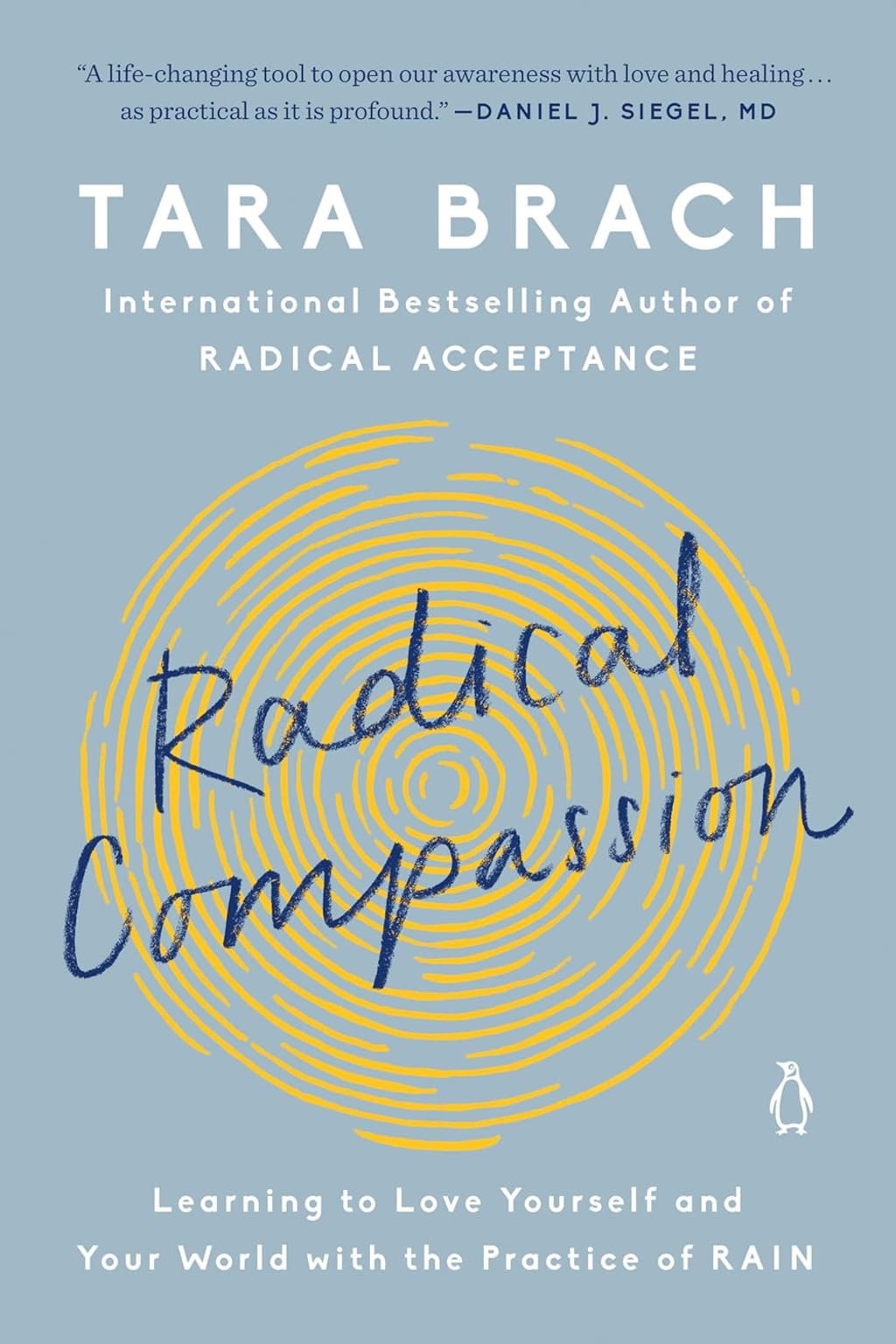
Tara Brach’s Radical Compassion: Learning to Love Yourself and Your World with the Practice of R.A.I.N. is an insightful exploration of self-compassion, mindfulness, and the transformative power of loving-kindness. Brach, a clinical psychologist and meditation teacher, combines personal anecdotes, scientific research, and practical exercises to guide readers on a journey toward deeper self-acceptance and empathy for others. This review breaks down the book into six key points that capture its essence and impact.
1. The Concept of R.A.I.N.
At the heart of Brach’s methodology is the R.A.I.N. practice, an acronym that stands for Recognize, Allow, Investigate, and Nurture. This framework serves as a practical tool for dealing with difficult emotions and situations.
Recognize: The first step involves acknowledging what you’re feeling, whether it's anger, sadness, or anxiety. Brach emphasizes the importance of naming emotions without judgment, which helps to create awareness.
Allow: Here, she encourages readers to give themselves permission to feel these emotions fully. This acceptance is crucial for healing and transformation.
Investigate: This step involves self-inquiry, where individuals can explore the underlying causes of their feelings. Brach suggests asking questions about the thoughts and beliefs that accompany the emotion.
Nurture: Finally, this step focuses on self-compassion, encouraging readers to respond to their emotions with kindness and understanding rather than criticism.
Through R.A.I.N., Brach provides a roadmap for navigating the often turbulent landscape of emotional life, making it a powerful tool for personal growth.
2. Personal Stories and Anecdotes
Brach's use of personal stories adds a relatable dimension to her teachings. Throughout the book, she shares her own experiences with self-doubt, grief, and the challenges of being human.
These anecdotes serve not only to illustrate her points but also to create a sense of connection with the reader. Brach’s authenticity shines through as she reflects on her struggles and triumphs, making it clear that the journey toward radical compassion is both personal and universal. This narrative approach fosters a sense of community among readers, inviting them to feel less alone in their emotional experiences.
3. Scientific Foundations
One of the strengths of Radical Compassion is Brach's integration of scientific research to support her ideas. She references studies on mindfulness, neuroplasticity, and the psychological benefits of self-compassion, grounding her teachings in credible evidence.
This blend of personal narrative and scientific inquiry not only enhances the book's authority but also appeals to a diverse audience. Readers who appreciate empirical data alongside emotional insights will find this aspect particularly valuable. Brach's ability to bridge the gap between science and spirituality makes her work accessible and compelling.
4. Practical Exercises
Brach incorporates a variety of practical exercises and meditations throughout the book, encouraging readers to actively engage with the concepts presented. These exercises are designed to reinforce the R.A.I.N. framework and promote self-reflection.
For instance, guided meditations help readers cultivate mindfulness and develop a compassionate inner voice. Brach provides clear instructions and tips, making it easy for even beginners to follow along. This hands-on approach transforms theoretical concepts into actionable steps, empowering readers to take charge of their emotional well-being.
5. Emphasis on Interconnectedness
A recurring theme in Radical Compassion is the interconnectedness of all beings. Brach emphasizes that self-compassion is not a solitary practice; it extends outward, enhancing our capacity for empathy and kindness toward others.
By cultivating a loving relationship with ourselves, we naturally foster compassion for those around us. This perspective encourages readers to see their struggles as part of a larger human experience, which can help diminish feelings of isolation. Brach’s reminder that everyone experiences suffering and joy creates a sense of solidarity and shared humanity.
6. The Transformative Power of Compassion
Ultimately, Radical Compassion is about transformation. Brach argues that practicing self-compassion can lead to profound changes in our relationships with ourselves and others. By learning to treat ourselves with kindness, we can break the cycle of self-criticism and shame that often hinders personal growth.
Brach also addresses the societal implications of compassion, urging readers to extend their practice beyond the self. This broader perspective is especially relevant in today’s world, where divisiveness and polarization are prevalent. Brach’s call to action invites readers to not only cultivate compassion within but also to contribute to a more compassionate world.
Conclusion
In Radical Compassion, Tara Brach offers a rich tapestry of insights, practices, and reflections that guide readers toward a deeper understanding of themselves and their relationships with others. Through the R.A.I.N. framework, personal anecdotes, scientific grounding, practical exercises, and a focus on interconnectedness, Brach crafts a compelling narrative that is both enlightening and empowering. This book is a valuable resource for anyone seeking to cultivate compassion in their life, making it a must-read for those interested in personal development, mindfulness, and emotional well-being. With its heartfelt message and practical guidance, Radical Compassion has the potential to change lives, one heart at a time.
Thank you 🙏
Future of Resilience
About the Creator
Future of Resilience
I enjoy writing book and product review, relationship and parenting blogs. I hope you enjoy my writing. Happy Reading!
Keep reading
More stories from Future of Resilience and writers in BookClub and other communities.
Unlocking Emotional Freedom: A Deep Dive into "The Tapping Solution" by Nick Ortner
In recent years, self-help literature has surged in popularity, with many authors presenting innovative techniques for personal development and emotional healing. One standout title in this realm is "The Tapping Solution" by Nick Ortner. This book introduces readers to Emotional Freedom Techniques (EFT), commonly known as tapping. In this review, we’ll explore six key points that highlight the value and effectiveness of Ortner’s approach.
By Future of Resilience about a year ago in BookClub
My New Book is Finally Here
My poetry collection Beautiful and Brutal Things is done. It's actually done and finally published over 270 pages. Over a year of my life went into this book. More than a year, really. Long days at my computer, sometimes seven days a week because I couldn't stop even when I probably should have. Then two months of editing that felt harder than the writing itself. But it's finished, and I'm still standing, and the book is real.
By Tim Carmichaela day ago in BookClub
Supporting Tyler Robinson
At only 22 years old, Tyler Robinson now finds himself at the center of a high-profile legal battle that has already drawn widespread attention. As he awaits trial, it is important to remember the foundation of our justice system: every individual is presumed innocent until proven guilty. Tyler, like anyone facing charges, deserves the opportunity to defend himself with dignity, fairness, and adequate resources.
By Organic Products 2 days ago in BookClub




Comments (1)
This is quite a handy reference book for whomever is interested. Good work.