
Paperback vs Hardcover – Which is Better for Authors & Readers?
Thinking about printing your book? Choosing between paperback and hardcover can feel overwhelming. Let’s break down the differences so you can pick the perfect format — whether you’re a first-time author or an avid reader.

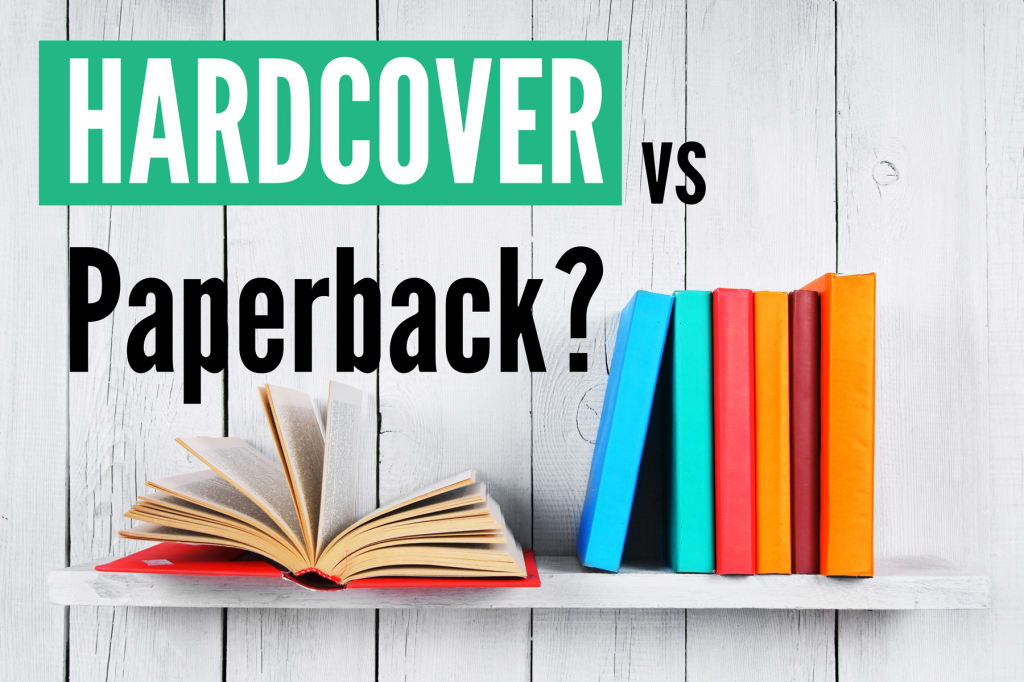
When preparing to print a book, one of the most important decisions you'll face is choosing between paperback and hardcover formats. Whether you're a self-published author, a small press, or someone printing a personal project, understanding the pros and cons of each option will help you make a smart, cost-effective choice. In this guide, we’ll explore the differences in production, pricing, durability, and reader perception to help you decide which format aligns with your vision.
📘 What Is a Paperback Book?
Paperback books are known for their lightweight, flexible covers made of thicker paper or cardstock. These soft covers wrap around the inner pages and are typically glued at the spine. Because paperbacks don’t have the stiff boards found in hardcovers, they’re easier to carry, cheaper to produce, and ideal for mass distribution.
✅ Best Use Cases:
- Fiction and non-fiction for everyday readers
- Educational materials updated frequently
- Books targeting a large audience with budget concerns
- Promotional or giveaway copies
Paperbacks are the go-to format for affordability and accessibility. They make it easier to distribute widely and keep printing costs low—especially useful for debut authors or limited budgets.
📕 What Makes a Book Hardcover?
Hardcover books, also called hardbacks, are bound with strong cardboard covers wrapped in cloth, leather, or paper. Many include a dust jacket—a removable outer cover that adds protection and design space. This rigid construction gives hardcovers their signature durability and long shelf life.
✅ Best Use Cases:
- Collectible editions or special releases
- Coffee table books, photo books, or art collections
- Professional and academic publications
- Gift books or premium prints
Because of their premium look and feel, hardcovers are often seen as more valuable and prestigious than paperbacks.
💰 Cost Comparison: Paperback vs Hardcover
One of the biggest differences between these two formats is cost.
Paperbacks are less expensive to produce due to simpler materials and glue binding. They're perfect for authors seeking budget-friendly printing.
Hardcovers, on the other hand, require more time, materials, and effort. Binding is more complex, which makes them more expensive. However, the higher perceived value of a hardcover allows you to charge more, balancing out some of the production cost.
🕒 Production Time and Complexity
Paperbacks have a shorter production timeline. Their straightforward binding process means you can get your books printed and delivered quickly.
Hardcover books involve multiple steps: cover board creation, binding with thread or glue, attaching endpapers, and applying dust jackets if needed. This makes the turnaround time longer. If you’re working with a tight deadline, paperback might be the better option.
📊 Reader Appeal & Marketability
🎯 Reader Preferences:
- Hardcovers are often preferred by readers who appreciate aesthetics, book collecting, and long-term durability. They’re also favored for display on bookshelves or as gifts.
- Paperbacks appeal to readers who value convenience, portability, and affordability. They’re ideal for commuters, students, and budget-conscious readers.
💸 Impact on Sales:
Hardcovers allow for higher profit margins per unit due to their premium pricing. But their higher retail price may reduce total sales volume. Paperbacks, with their lower price point, often sell more copies and reach a wider audience.
Many authors choose to release both formats—hardcover first to attract collectors and loyal fans, followed by paperback to expand reach and accessibility.
🧠 Key Factors to Consider When Choosing a Format
📌 1. Audience and Purpose
Who are you writing for? Casual readers, students, and budget-conscious audiences often prefer paperbacks. Hardcover books are better suited for collectors, professionals, or those gifting books.
📌 2. Budget and ROI
If you're publishing on a tight budget, paperbacks are cost-effective. If you’re aiming for a premium product and are confident about sales, hardcover is worth considering.
📌 3. Longevity and Usage
Will the book be used regularly, or is it a display piece? Hardcovers handle repeated use better. Paperbacks are great for temporary or frequent replacements.
❓ FAQs
Q: What is the main difference between hardcover and paperback books?
A: Hardcovers have rigid covers and are more durable, while paperbacks have soft, flexible covers and are cheaper to produce.
Q: Can I print both paperback and hardcover versions?
A: Yes! Most book printers, including Mixam, offer both formats. This allows you to cater to different audiences.
Q: How do I design a book file for each format?
A: You can create your book layout using tools like Adobe InDesign, Canva, or Affinity Publisher. Use PDF templates provided by your printer to ensure proper size and bleed. Some platforms also offer online design tools to make the process easier.
Q: Which format takes longer to produce?
A: Hardcovers take more time due to complex binding and cover assembly. Paperbacks are faster to produce and ship.
✅ Final Thoughts
Both paperback and hardcover books have their strengths. If you're looking to maximize reach, go with paperback. If your priority is premium quality and presentation, choose hardcover. For the best of both worlds, offer both formats—one for accessibility and one for collectability.
Choosing the right format is an important step in your publishing journey. By considering your budget, audience, and publishing goals, you’ll be well on your way to making the best decision for your book’s success.
About the Creator
General gyan
"General Gyan shares relationship tips, AI insights, and amazing facts—bringing you knowledge that’s smart, fun, and inspiring for curious minds everywhere."
Keep reading
More stories from General gyan and writers in BookClub and other communities.
Top 10 Best-Selling Books of All Time
Books have long been a powerful means of communication, entertainment, and education. A select few books have transcended language, culture, and time to become global phenomena throughout history. Their massive sales numbers highlight their lasting impact on generations of readers.
By General gyan10 months ago in BookClub
Rachel Reviews: Lakefront Wolves by Joseph Deegan
Meet Finn. He's an 18 year old kid who has potential. He's bright with great school scores and he's also an athlete, a footballer of some prowess. He has it all going for him, it would seem, and yet, he's determined to send what could be a well-planned, stable existence firmly off the rails. He drinks, he smokes, he takes drugs, he has violent tendencies and he's in danger of losing not only his mind but all that he holds dear.
By Rachel Deeming14 days ago in BookClub
6 Best Business Books You Need To Read In 2026
In today’s rapidly evolving business landscape, staying ahead isn’t just about working harder—it’s about learning smarter. The most successful leaders, entrepreneurs, and innovators don’t just rely on instinct; they invest in knowledge, insights, and proven strategies. Business books have the power to transform thinking, sharpen decision-making, and inspire actionable change, offering lessons that textbooks, articles, or seminars often cannot. Whether you’re seeking to boost leadership skills, foster innovation, or navigate complex markets, the right book can become a roadmap to success.
By Diana Meresca day ago in BookClub



Comments
There are no comments for this story
Be the first to respond and start the conversation.