
Noor’s Notebook
Finding Strength in Words

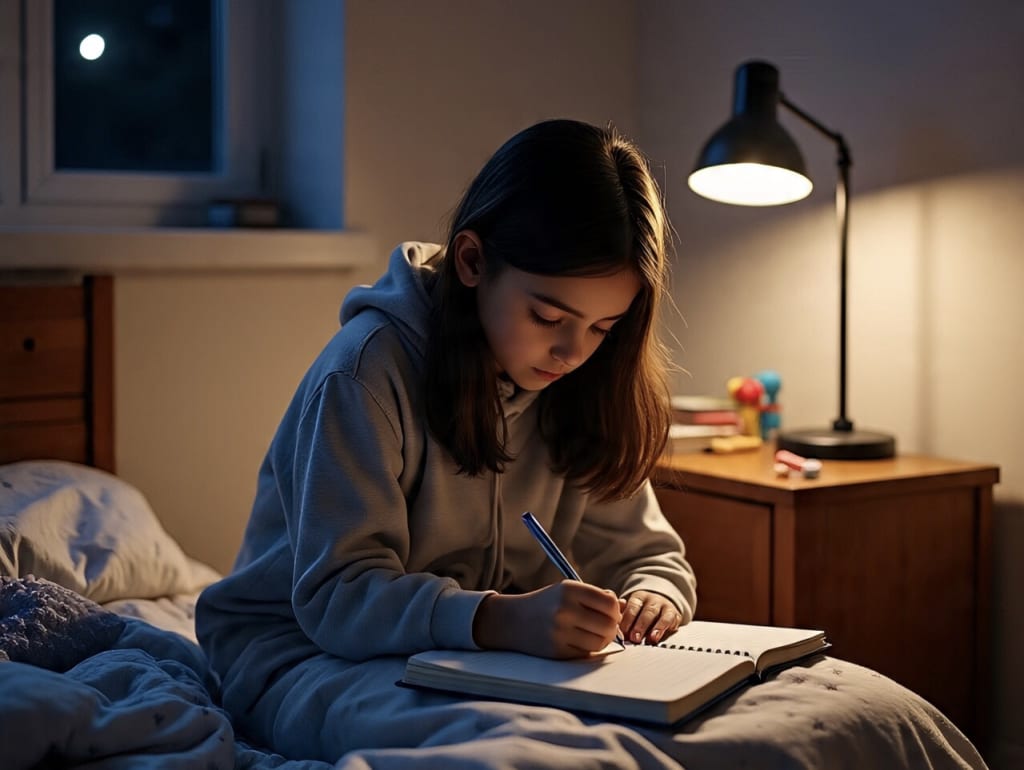
Tucked away in a quiet corner of a noisy city, 13-year-old Noor lived in a small, crowded apartment with her parents and two younger brothers. Life wasn’t always easy. Her father worked long hours, and her mother, though loving, was always tired. But the hardest part of Noor’s life wasn’t what others could see — it was what she kept locked inside. 🏙️💭
At school, Noor felt invisible. She wasn’t loud, bold, or quick to speak. In fact, she hardly spoke at all unless someone asked her a question. Some of her classmates called her “the ghost” because she moved so quietly, always with her nose in a book. What they didn’t know was that Noor had a voice—one that lived on paper instead of her tongue. ✨
Every night before bed, Noor opened her most precious possession: a worn-out, sky-blue notebook with little stars on the cover. She had named it “Safar,” the Arabic word for journey. And in it, she wrote everything—her fears, her dreams, her questions, her secret poems, and her imaginary worlds.
“I want to be brave.
I want to stand tall.
I want to be heard,
even when I feel small.”
Words gave Noor power. They helped her survive lonely lunches, ignore mean whispers, and carry the weight of not being understood. Her notebook was her best friend—never judging, always listening. 📓💙
One day, her English teacher, Miss Farah, announced a writing contest:
“Tell your story in your own words. Truth or fiction, joy or pain—just make it real.”
Noor’s heart raced. She wanted to enter, but fear gripped her. What if they laugh? What if it’s not good enough?
That night, she stared at her notebook. It seemed to stare back at her, gently pushing her forward.
So she began.
She didn’t write about magic or dragons. She wrote about a girl who was quiet on the outside but roared on paper. A girl who learned to speak through the tip of her pen. She called the story:
“The Girl With the Silent Voice.”
When she handed it in, her hands trembled. Miss Farah read it silently, her eyes scanning every line. Then, she looked up and said softly,
“Noor… this is beautiful. This is you, isn’t it?”
Noor nodded slowly.
Her story won first place. But more than the award, it was the reaction that changed everything. Her classmates began to see her differently. Some told her they had no idea she could write like that. One girl said, “You made me cry… in a good way.” 😢✨
For the first time, Noor felt something shift inside her. Not pride exactly—more like peace. She didn’t need to be loud to be strong. Her words were enough. Her voice had always been there—it just needed a page to land on.
Miss Farah encouraged her to keep writing. She gave Noor a new notebook—this one red with a gold ribbon—and said,
“Your voice matters. Don’t stop using it.”
Noor didn’t stop.
She began writing essays, poems, even short plays. She joined a local writing group. And one day, her piece was published online. When she showed it to her parents, they were speechless. Her mother hugged her tightly. Her father, usually so serious, said with a smile,
“You didn’t just find your voice, Noor. You gave it to others, too.”
Now, Noor writes every day—not just in her notebook, but in blogs, school papers, and community journals. Her quiet strength has inspired others, especially younger girls who feel unseen or unheard.
💬 What Noor Learned:
Sometimes, the strongest voices are the ones that speak softly, but truthfully.
Sometimes, courage isn’t loud—it’s written in ink, hidden in lines, waiting to be read.
And sometimes, all it takes to change the world is one notebook and a girl brave enough to open it. 💖📖🕊️
About the Creator
I’m Pathan from Afghanistan
I myself am an Afghan and I want to share with you the books of my old elders and the books of the people who are writing at that time. These books will include books of our history and there was also a book of our poets. If you want, 🚾 📚
Keep reading
More stories from I’m Pathan from Afghanistan and writers in BookClub and other communities.
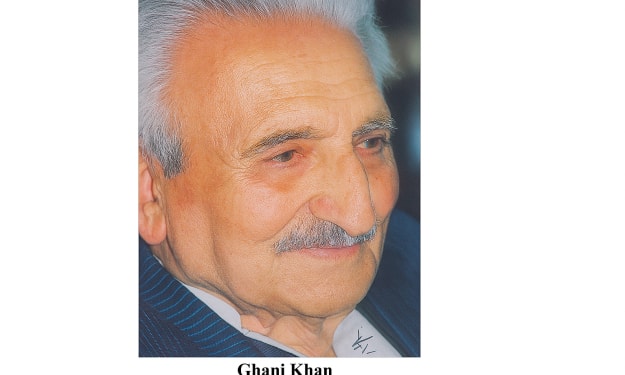
Ghani khan no.1
A Poppy Flower In a desert, once, on a hunt did I find, With a radiant smile, a flower so fair; Sadly, I approached and sighed, "Ah! Of my kind Are you too a hapless flower from a beloved's hair. Frail fingers wouldn't take you to a soft face so close, Nor would you be kissed by lips delicate and rose." With a silent smile the flower replied, "Don't lose heart! This desert I wouldn't give up for the gardens of Iran, A solitary I am here while legions are there, Amidst this cursed soil I stand apart. In this gray desert, a flamboyant flame of divine light am I,
By I’m Pathan from Afghanistan7 months ago in BookClub
My New Book is Finally Here
My poetry collection Beautiful and Brutal Things is done. It's actually done and finally published over 270 pages. Over a year of my life went into this book. More than a year, really. Long days at my computer, sometimes seven days a week because I couldn't stop even when I probably should have. Then two months of editing that felt harder than the writing itself. But it's finished, and I'm still standing, and the book is real.
By Tim Carmichael2 days ago in BookClub
7 Dystopian Books You Must Read In 2026
In an era where society constantly wrestles with technological advances, political unrest, and environmental crises, dystopian literature offers a mirror to our present and a cautionary glimpse of the future. These books are more than just stories—they challenge our beliefs, provoke critical thinking, and explore the fragility of civilization. Below is a list of 7 dystopian books you must read in 2026.
By Diana Meresc6 days ago in BookClub



Comments
There are no comments for this story
Be the first to respond and start the conversation.