
My Sci-Fi Madness #0 The Genre’s Traits and My Beginning
Discover the core features of science fiction and my personal journey into the world of sci-fi.

Science fiction is not just an entertainment genre for enthusiasts; it also challenges the imagination, makes us think, and questions the possibilities of the future.
With my series "My Sci-Fi Madness," I want to explore this magical world and examine my favorite works to see how well they fit into the sci-fi genre. In my first article, I will talk about the general features of this genre, when I became obsessed with sci-fi, and why it's so fascinating.
What is Science Fiction?
Science fiction usually explores scientific and technological innovations through stories set in the future or alternative universes. In this genre, writers look at scientific possibilities and philosophical questions, making readers think; some also entertain at the same time. Sci-fi is not just an escape but also a mirror reflecting our hopes and fears for the future. It often includes elements that are not possible today and sometimes reimagines the past.
The Genre's Traits
- Scientific and Technological Innovations: Sci-fi works often include advanced technology and scientific discoveries. These can be about space travel, artificial intelligence, or genetic engineering. For example, Arthur C. Clarke's "2001: A Space Odyssey" talks about humanity's adventures in space and the evolution of AI. Clarke deeply explores the relationship between humanity and technology, questioning the impact of AI on humans.
- Social and Philosophical Questions: Sci-fi not only focuses on technology but also looks at deep questions about human nature, society, and the future. Isaac Asimov's "Foundation" series (which I will praise in multiple articles) explores the future social structure of humanity and the impact of scientific progress on society. Asimov details the evolution of sociopolitical structures and the role of science in this process.
- Alternative Realities and Future Scenarios: This genre challenges the imagination by presenting different universes and future scenarios. For example, Philip K. Dick's "Do Androids Dream of Electric Sheep?" (which I've read and will praise in an article) questions what it means to be human through a story set in an alternative future. Dick explores themes of reality perception and human identity in his work.
- Narrative and Character Development: Sci-fi is known for strong storytelling and deep character development. Characters often find themselves in the middle of a technological or scientific problem, and they grow personally through this process. For instance, in the "Dune" series, Paul Atreides's destiny and personal evolution are noteworthy for both character development and narrative depth.
Sci-fi doesn't just imagine the future; it also questions current social structures and human values. The wide range of this genre means that every reader can find something of interest in these works.
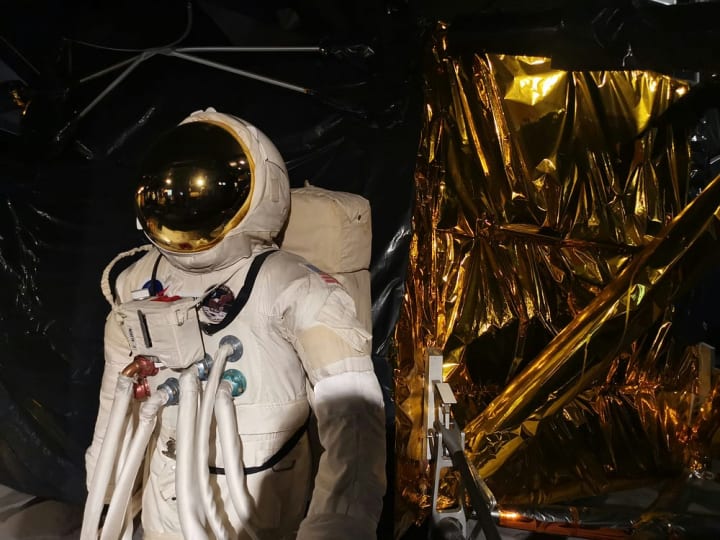
How I Started with Sci-Fi
In high school, I got interested in science fiction after watching the "War of the Worlds" movie. Later, I found out the movie was based on a book, and I didn't wait - I got the book and read it right away. The idea of an alien invasion started to haunt my dreams. At that age, I didn't realize the book was a satire of British colonialism. Then, guess which book I read next? "The Time Machine," a masterpiece… I also didn't realize it was a satire of social class differences in the Victorian era. Oh, you didn't know that either? I'll explain these books in detail in my future articles.
There are older examples of sci-fi, but with Wells's books, this world started to move closer to positive sciences. With these books, magic, spells, and supernatural events were replaced by human or alien-made machines.
How about that? Did I make a good start in sci-fi? During my university years, studying computer engineering made me even more curious, and to be honest, a bit arrogant. I was afraid I wouldn't like sci-fi literature enough, so I started reading fantasy, like "Game of Thrones." Yes, I used to be a perfectionist. Thinking that I wouldn't like the great works that thousands of people around the world loved and admired was really foolish. But now I think, good thing I read them and I keep reading!
While I was in the military (2018), during a day off, I came across Richard K. Morgan's cyberpunk classic "Altered Carbon." I read the back cover and bought it immediately. During my military service, I read 30 books, and "Altered Carbon" stood out as my favorite. It directed me back to sci-fi. I read it like drinking water. On my next day off, I bought the second book in the series, "Broken Angels." I also polished it off with "Brave New World," sent by my dear wife Nare.

Right after the military, I finished the "Wool" trilogy, which includes "Wool," "Shift," and "Dust." When the "Dune" movie came out, I got curious about the book and read this solid piece of sci-fi. I immediately read the second book right after finishing the first one. Then came the "Foundation" series and the great works of Philip K. Dick… The number of sci-fi books I've read is countless. Let's dive into these works! I'm very excited! :)
In my first article, I covered the general features of the sci-fi genre. In the next one, I will take a closer look at Frank Herbert's legendary work "Dune." Under the title "Dune Deep Dive," I will examine this masterpiece's place in the world of sci-fi and why it is so special.
Don't forget to follow my series and share your comments. Have a sci-fi-filled day!
This article originally published on Medium
About the Creator
Alparslan Selçuk Develioğlu
8+ years experienced Android Dev. Freshly a Software Team Leader. Colorful, confident personality, a fan of science fiction and fantasy works. An Ultratrail runner who runs in races 60+ kms
Keep reading
More stories from Alparslan Selçuk Develioğlu and writers in BookClub and other communities.
My Sci-Fi Maddness #2 Science Fiction Elements in Manga
If this is your first time encountering the series, click here to read the introductory article. Hello, dear readers! In this installment of "My Sci-Fi Madness" series, I'm coming to you with a different format. This time, we'll be diving into the science fiction elements frequently and excitingly featured in manga.
By Alparslan Selçuk Develioğlu2 years ago in BookClub
Rachel Reviews: Lakefront Wolves by Joseph Deegan
Meet Finn. He's an 18 year old kid who has potential. He's bright with great school scores and he's also an athlete, a footballer of some prowess. He has it all going for him, it would seem, and yet, he's determined to send what could be a well-planned, stable existence firmly off the rails. He drinks, he smokes, he takes drugs, he has violent tendencies and he's in danger of losing not only his mind but all that he holds dear.
By Rachel Deeming15 days ago in BookClub


Comments
There are no comments for this story
Be the first to respond and start the conversation.