
"Is Coffee Good or Bad for You? The Shocking Truth"
"How Your Daily Cup Affects Your Brain, Heart, and Longevity"
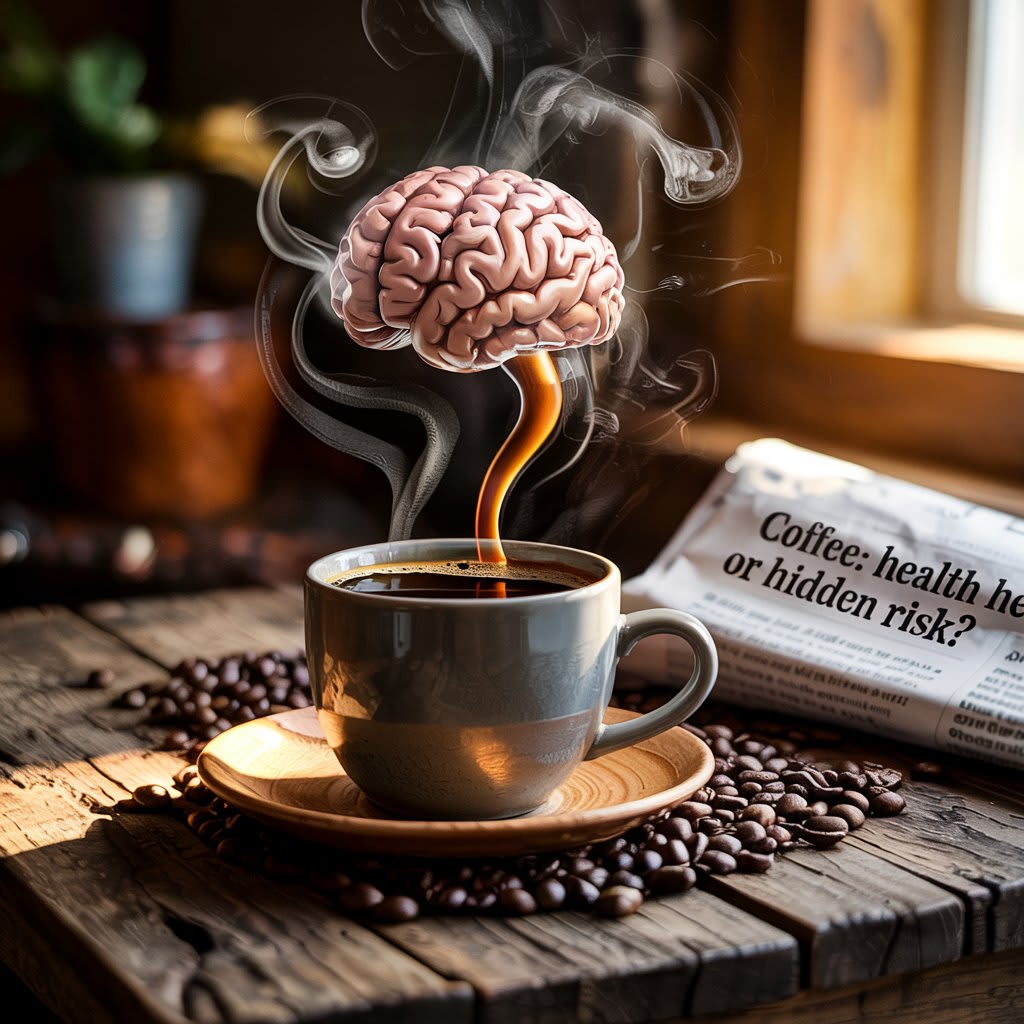
For millions of people around the world, the day doesn't truly begin until that first sip of coffee. The rich aroma, the comforting warmth, the gentle caffeine buzz - it's a ritual that fuels our mornings and powers us through afternoon slumps. But behind this beloved beverage lies an important question: is coffee actually good for us?
The answer, like a perfectly brewed cup, is complex. Coffee contains hundreds of bioactive compounds that can affect our bodies in numerous ways. Recent scientific research has revealed some surprising health benefits, but there are also potential drawbacks to consider. The impact of coffee varies from person to person, depending on genetics, health status, and consumption habits.
The Bright Side of Coffee: Health Benefits You Should Know
Let's start with the good news. That morning cup does much more than just wake you up. Coffee is packed with powerful antioxidants called polyphenols, which help combat oxidative stress in the body. In fact, for many people, coffee is their single largest source of antioxidants - surpassing both fruits and vegetables.
The caffeine in coffee provides well-documented cognitive benefits. It blocks adenosine receptors in the brain, reducing feelings of tiredness and improving alertness. Studies show coffee drinkers often perform better on memory tests and have faster reaction times. The mental boost isn't just short-term either - regular coffee consumption has been linked to lower risks of neurodegenerative diseases like Alzheimer's and Parkinson's.
Your heart might thank you for your coffee habit too. Contrary to old beliefs, moderate coffee consumption doesn't increase heart disease risk. In fact, research suggests it may offer some cardiovascular protection. Coffee appears to benefit liver health as well, with studies showing it can lower risks of liver cirrhosis and certain liver cancers.
The Potential Downsides: When Coffee Works Against You
Of course, no discussion about coffee would be complete without addressing the potential drawbacks. The most obvious issue is caffeine's effect on sleep. Consuming coffee too late in the day can disrupt sleep patterns, leaving you tired the next morning - which might tempt you to drink even more coffee, creating a vicious cycle.
Some people are particularly sensitive to caffeine's stimulating effects. For these individuals, even small amounts can cause jitters, anxiety, or digestive discomfort. Coffee's acidity may also trigger heartburn or aggravate conditions like acid reflux. Pregnant women are generally advised to limit caffeine intake due to potential effects on fetal development.
It's also worth noting that coffee can be habit-forming. Regular drinkers may develop a mild dependence, experiencing withdrawal symptoms like headaches, fatigue, and irritability when they skip their usual cup. These symptoms typically pass within a few days, but they can be unpleasant in the meantime.
Finding Your Perfect Balance: How to Enjoy Coffee Wisely
So how can you maximize coffee's benefits while minimizing potential problems? The key is moderation and timing. Most health experts agree that 3-4 cups per day (providing about 300-400mg of caffeine) is safe for healthy adults. However, your personal tolerance may vary.
Consider these tips for a healthier coffee habit:
Drink your last cup before 2 PM to avoid sleep disruption
Stay hydrated by drinking water alongside your coffee
Go easy on sugar and cream to keep calories in check
Try switching to decaf if you're sensitive to caffeine but enjoy the ritual
Listen to your body - if coffee makes you feel jittery or anxious, cut back
The Final Verdict: Should You Keep Drinking Coffee?
For most people, the benefits of moderate coffee consumption outweigh the risks. It's not just a pick-me-up - it's a complex beverage with numerous bioactive compounds that may offer real health advantages. However, coffee isn't essential for good health, and those who don't enjoy it or don't tolerate it well aren't missing out on any magic bullet.
The healthiest approach is to enjoy coffee consciously and in moderation, paying attention to how it affects your body and mind. After all, the perfect coffee habit is the one that makes you feel your best - whether that means three cups a day or none at all.
About the Creator
Keep reading
More stories from Muhammad Naeem and writers in BookClub and other communities.
Unlocking Genius
In a world where artificial intelligence (AI) is rapidly transforming industries, one of the most unexpected—yet profoundly fascinating—evolutions is happening in the creative realm. From writing and music to graphic design, filmmaking, and even performance arts, AI is no longer just a behind-the-scenes technical assistant—it’s emerging as a genuine creative collaborator. The age of Unlocking Genius has begun, and it's fundamentally reshaping how we define, express, and even access creativity in the 21st century.
By Muhammad Naeem9 months ago in Education




Comments
There are no comments for this story
Be the first to respond and start the conversation.