
How to Personalize Your Library Efficiently with a Book Embosser
Personalize Your Library


A book embosser is a device that imprints a raised design or text onto paper. It 's a popular tool among bibliophiles who wish to personalize their books. The design often includes phrases like "From the Library of" or "Ex Libris," followed by the owner 's name. This mark serves as a beautiful, subtle way to claim ownership of your books and can add a touch of sophistication to any personal library.
The History of Book Embossers
Book embossers have been used for centuries, dating back to the early days of bookbinding. Historically, embossers were primarily used by libraries and institutions to mark valuable texts. Over time, personal embossers became more accessible, allowing individual book lovers to mark their collections. Today, they serve not only as a practical tool but also as a means of artistic expression.
The Mechanics Behind the Tool
A book embosser works by pressing a design into the paper, creating a raised impression. This is achieved through a combination of pressure and heat in some advanced models. The design is typically engraved onto two metal plates that align perfectly to press the image or text onto the page. This process not only ensures a crisp design but also guarantees longevity, as the embossing won 't fade over time like ink.
Common Uses and Applications
Beyond personal libraries, embossers are used in various industries. Businesses use them to authenticate documents, while artists may use them to add a unique signature to their work. For book lovers, embossers provide a way to connect emotionally with their collection, turning each book into a cherished artifact. These versatile tools are appreciated for their ability to combine functionality with personal style.
Types of Book Embossers

When choosing a book embosser, you 'll find several options available:
Handheld Embossers
Compact and easy to use, handheld embossers are portable and ideal for those who wish to emboss books on the go. They are typically lightweight, making them convenient for travel or for those who attend book clubs. Despite their size, handheld embossers can produce a high-quality imprint, making them a popular choice for casual bibliophiles.
Desktop Embossers
Larger and more robust, desktop embossers are perfect for those who have a large collection and need a durable tool for frequent use. These embossers often come with additional features such as adjustable pressure settings and interchangeable plates. They are designed for efficiency, allowing users to emboss multiple books in one session without fatigue, making them ideal for avid collectors.
Custom Embossers
Custom embossers are personalized with your name or custom design, making them unique to your library. These embossers offer endless possibilities for creativity, allowing you to incorporate symbols, monograms, or even family crests. The customization process is usually straightforward, with many manufacturers offering online design tools to help visualize your unique embosser.
Vintage and Antique Embossers
For those who appreciate history and craftsmanship, vintage and antique embossers are a delightful option. These embossers often feature intricate designs and are constructed from durable materials like brass and iron. While they may require more maintenance, the charm and character they bring to a library are unparalleled. Collectors often treasure these pieces as both functional tools and decorative items.
Benefits of Using a Book Embosser
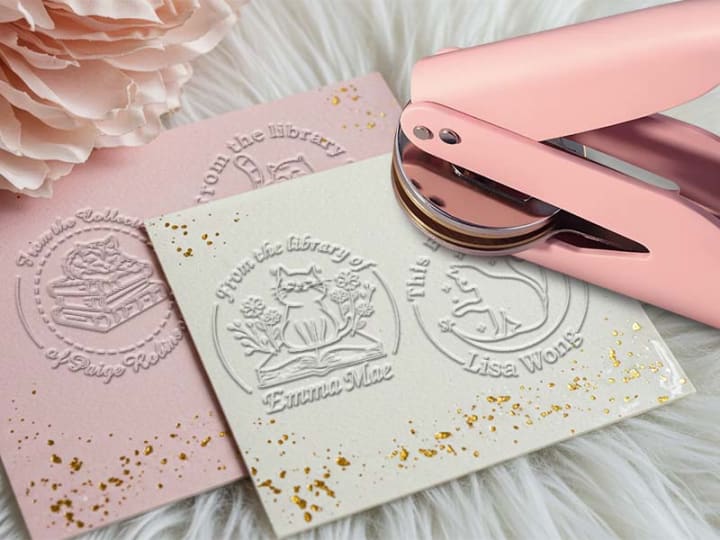
Using a book embosser has several advantages:
Personalization
A book embosser allows you to add a personal touch to your collection. By embossing your name or a custom design into the book, you create a unique mark that signifies ownership. This is especially useful if you frequently lend books to friends and family. Personalization also enhances the sentimental value of your collection, as each embossed book reflects your identity as a reader.
Protection
Embossing your books can help protect your collection. A personalized mark makes it less likely that your books will get mixed up with someone else 's collection. If someone borrows a book, they 'll be reminded of its rightful owner every time they open it. Additionally, in the unfortunate event of loss or theft, an embossed mark can serve as proof of ownership, making it easier to recover your books.
Aesthetic Appeal
The aesthetic appeal of a personalized book embosser cannot be overstated. The raised design or text adds an element of elegance and professionalism to your books. This subtle touch can transform an ordinary book into a cherished item in your library. An aesthetically pleasing collection not only enhances the reading experience but also serves as a beautiful display, reflecting your taste and personality.
Enhanced Book Value
For collectors, embossing can enhance the value of a book, especially if the design is unique or artistic. Well-executed embossing can become a talking point among fellow book enthusiasts. Moreover, if you ever decide to sell your collection, books with a tasteful embossed mark can fetch a higher price, as they are considered well-cared-for and unique.
How to Choose the Right Book Embosser
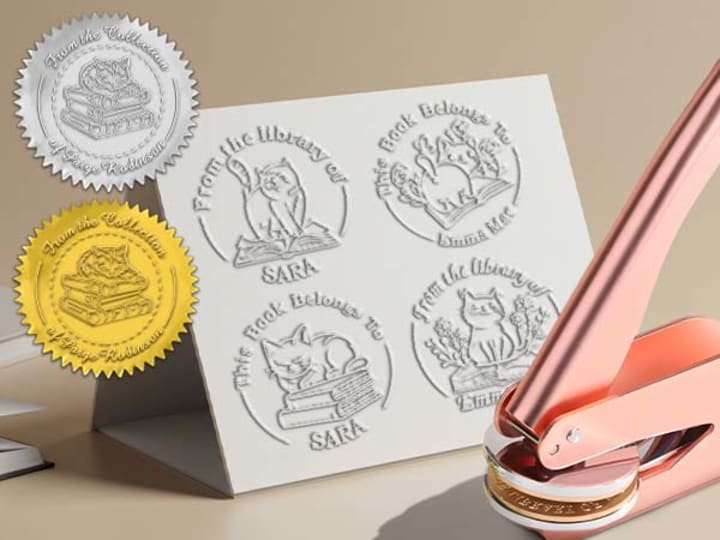
Choosing the right book embosser depends on your personal needs and preferences. Here are some factors to consider:
Design Options
Look for embossers that offer a variety of design options. Whether you want something classic like "Ex Libris" or a more personalized touch with your name, ensure the embosser can accommodate your design choice. Some manufacturers provide templates and design services to help you create a design that truly reflects your style and personality.
Durability
Consider how often you plan to use the embosser. If you have a large library or plan to emboss frequently, invest in a durable desktop model that can withstand regular use. Check for materials like steel or metal components, which ensure longevity and resilience. Durability is key to ensuring your embosser remains functional and effective over the years.
Ease of Use
Choose an embosser that is easy to use and doesn 't require much effort to create a clear, crisp imprint. This will ensure that your books are marked efficiently and without hassle. Look for features like ergonomic handles and user-friendly mechanisms that require minimal force. An easy-to-use embosser can make the embossing process enjoyable rather than a chore.
Price Considerations
Embossers come in a range of prices, from affordable to high-end models. Determine your budget and explore options within that range. While it might be tempting to opt for a cheaper model, investing in a quality embosser can pay off in the long run. Consider it a worthwhile investment in preserving and personalizing your beloved collection.
Setting Up Your Book Embosser
Once you 've chosen the perfect embosser, setting it up is straightforward:
Reading the Instructions
Start by carefully reading the manufacturer 's instructions that come with your embosser. Familiarize yourself with the various components and features. Understanding the mechanism will prevent potential mishaps and ensure you use the tool correctly. Each model might have unique features, so even if you 're experienced, a quick read-through can be beneficial.
Testing the Embosser
Before embossing your books, test the embosser on a piece of scrap paper to ensure the design is aligned correctly and the imprint is clear. This practice run allows you to make necessary adjustments to pressure or alignment. Testing can also help you gauge how much force is needed to achieve the desired effect, ensuring each embossing session is successful.
Starting the Embossing Process
Begin with a few books to get a feel for the process. Place the embosser on the desired locati0n inside the cover, apply pressure, and release. As you gain confidence, you can increase the number of books you emboss in one session. Starting slowly helps build familiarity and reduces the risk of mistakes, leading to a more enjoyable and productive experience.
Maintenance and Care
Regular maintenance of your embosser will ensure its longevity and performance. Clean the plates regularly to remove any paper residue or dust. Check for any signs of wear and address them promptly. Proper care not only extends the life of your tool but also ensures that each embossing is as crisp and precise as the first.
Tips for Efficient Book Embossing
To make the most out of your book embosser, keep these tips in mind:
Consistency is Key
When embossing multiple books, aim for consistency in placement. This uniformity will create a cohesive look across your entire collection. Consistent placement also enhances the overall aesthetic appeal, making your library look organized and professionally curated. Consider creating a template or guide to help maintain uniformity during each embossing session.
Choose the Right Spot
The inside cover, title page, or a blank page near the front or back of the book are ideal spots for embossing. These locations provide enough space for a clear imprint without interfering with the book 's text. Choosing the right spot ensures that the embossing is both visible and aesthetically pleasing, enhancing the book 's overall presentation.
Keep It Simple
While it might be tempting to create elaborate designs, simplicity often works best with book embossers. A clean, straightforward design ensures that the embossing remains clear and legible. Simple designs are more versatile, complementing a wide range of book styles and genres. They also tend to stand the test of time, retaining their appeal as trends come and go.
Experiment with Different Designs
Don 't be afraid to experiment with different designs and placements. Testing various options can lead to surprising and delightful results. Experimentation can also help you discover new ways to express your personality through your collection. Just remember to keep a few consistent elements to maintain a cohesive look across your library.
Caring for Your Embossed Books

After embossing, it 's important to care for your books to preserve their condition:
Handle with Care
Avoid stacking heavy objects on top of embossed books to prevent any damage to the raised design. Gentle handling is crucial to maintaining the crispness of the embossing. Encourage anyone who borrows your books to treat them with the same level of care. Proper handling ensures that your books remain in pristine condition for years to come.
Store Properly
Keep your books in a dry, cool place to prevent any warping or deterioration. Proper storage not only protects the embossing but also maintains the overall condition of the book. Consider using bookends or shelves that provide adequate support. An organized storage system can prevent accidental damage and make it easier to locate specific books in your collection.
Regular Maintenance
Occasionally check your embosser to ensure it remains in good working condition. Clean it as needed to maintain its performance. Address any mechanical issues promptly to avoid compromising the quality of your embossing. Regular maintenance extends the life of your tool and ensures that your books continue to receive the best possible care.
Protecting Against Environmental Factors
Books are sensitive to environmental factors like humidity and sunlight. Consider using protective covers or cases for especially valuable embossed books. Taking these precautions can protect against fading, discoloration, and other forms of damage. By safeguarding your collection, you ensure that each book remains a treasured part of your library for future generations to enjoy.
Conclusion
A personalized book embosser is a wonderful tool for any book lover looking to add a touch of elegance and personal flair to their library. By choosing the right embosser and following our tips for efficient use, you can easily mark your collection with a sophisticated emblem that signifies your love for literature. Whether you 're protecting your investment or simply adding aesthetic appeal, a custom book embosser is a valuable addition to any personal library. Happy embossing!
About the Creator
TrailCam
I work in the internet industry and enjoy communicating through text, discussing fashion, IT, and sharing my feelings.
Rachel Reviews: Lakefront Wolves by Joseph Deegan
Meet Finn. He's an 18 year old kid who has potential. He's bright with great school scores and he's also an athlete, a footballer of some prowess. He has it all going for him, it would seem, and yet, he's determined to send what could be a well-planned, stable existence firmly off the rails. He drinks, he smokes, he takes drugs, he has violent tendencies and he's in danger of losing not only his mind but all that he holds dear.
By Rachel Deeming7 days ago in BookClub
7 Books to Help You Find Strength When You Feel Weak
Life is a journey filled with highs and lows, moments of triumph, and periods of deep struggle. When we feel drained, overwhelmed, or uncertain, it can be difficult to summon the strength to move forward. In these moments, books can serve as powerful guides—offering wisdom, empathy, and practical strategies to reclaim our inner power. Reading for resilience and empowerment is more than just a pastime—it’s a lifeline. The right book can illuminate our path, validate our emotions, and inspire action even when we feel weakest.
By Diana Meresc5 days ago in BookClub


Comments
There are no comments for this story
Be the first to respond and start the conversation.