
How to Create an Interactive Humor Book That Will Get Readers Laughing
Humor Book That Will Get Readers Laughing

Creating an interactive humor book is a fantastic way to engage readers, stimulate laughter, and foster connections. If you’re an aspiring author or an experienced writer looking to try something new, an interactive humor book can provide hours of fun for readers of all ages. Let’s explore the essential steps to make a humor book that resonates with your audience and keeps them laughing.
Understand Your Audience
Before diving into writing, it’s crucial to understand who your target audience is. Are you aiming for families looking for engaging family entertainment? Or perhaps you want to reach adults who enjoy witty banter and playful exchanges. Knowing your audience will aid you in adapting your content, tone, and humor style accordingly.
For example, if you’re creating an interactive humor book aimed at families, consider incorporating fun questions for kids and adults that can spark laughter and creativity. In contrast, for an adult audience, you might focus on witty questions for friends that inspire more sophisticated humor and relatable anecdotes.
Choose a Theme
Having a central theme can provide cohesion to your interactive humor book. Themes can range from silly situations and everyday life scenarios to absurd hypothetical questions. A strong theme helps guide the writing process and gives readers a sense of what to expect.
For instance, if you take a travel theme, you can include elements related to road trip games and funny travel stories that resonate with readers' experiences. An engaging theme can make your playful joke guide a delightful companion for family vacations or gatherings.
Incorporate Interactive Elements
The heart of a playful joke guide lies in its engagement factor. Include interactive elements such as fill-in-the-blank questions, choose-your-own-adventure style narratives, or playful challenges that readers can complete. This not only makes reading more enjoyable but also encourages participation and laughter.
Consider adding sections that prompt readers to share their funniest stories or complete silly challenges. These interactive activities can serve as perfect party icebreakers, making your book ideal for social gatherings and family events.
Craft Humorous Content
Writing humor requires a delicate balance. Aim for relatable situations, clever wordplay, and playful absurdities that will resonate with your audience. Use exaggeration, puns, and silly scenarios to create laughs while ensuring the humor feels natural and not forced.
If your book is aimed at a broad audience, it is crucial to incorporate humor for all ages. Use language that is appropriate for children while still entertaining adults. This approach allows families to enjoy the book together, promoting family bonding activities through shared laughter.
Illustrate Your Ideas
Visual basics play a noteworthy part in engaging readers, especially in an interactive humor book. Consider hiring an illustrator or using your artistic skills to create colorful and whimsical illustrations that accompany your text. These visuals can enhance the humorous content and make it more appealing, particularly to younger audiences.
Illustrations can also help convey jokes or funny situations, making it easier for readers to connect with the content. Think about how an illustrated humor book can transform a simple question into a hilarious visual experience.
Test Your Material
Once you’ve drafted your playful joke guide, gather feedback from friends, family, or potential readers. Testing your material can provide valuable insights into what resonates and what doesn’t. You can conduct small reading sessions to see which jokes land and which prompts elicit laughter.
Consider using these testing sessions as family bonding activities. Everyone can subsidize their opinions and ideas, and their feedback can help you refine your content and ensure it’s genuinely funny.
Format and Design
A well-designed, playful joke guide is more inviting and engaging. Pay attention to the design, font choices, and overall aesthetic. Ensure that the design complements the humor and makes it easy for readers to navigate through interactive sections.
Incorporating playful graphics, vibrant colors, and engaging fonts can enhance the reading experience, drawing readers in and encouraging them to flip through the pages.
Promote Social Interaction
One of the best aspects of an interactive humor book is its ability to foster social interactions. Encourage readers to share their responses to prompts or post their favorite sections on social media. This interaction can help create a community around your book and further spread the laughter.
Consider hosting events or online challenges related to your book's content. You might create hashtags for readers to share their experiences or funny responses. This social engagement can help build a loyal readership and create a lasting impact.
Conclusion
Creating an interactive humor book is a rewarding and enjoyable process that can delight readers of all ages. By understanding your audience, choosing a theme, and incorporating interactive elements, you can prepare a book that keeps readers laughing and engaged.
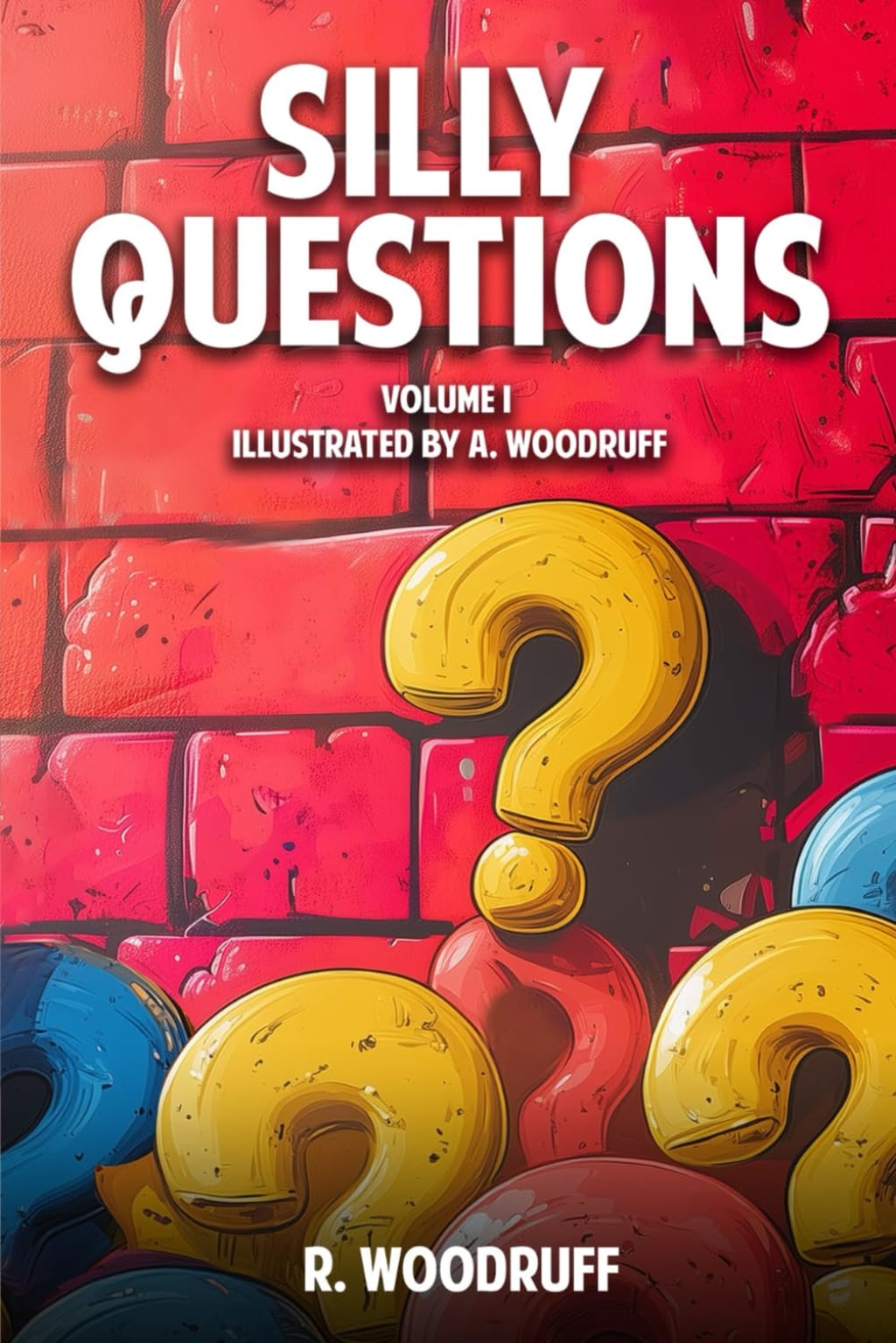
If you’re looking for inspiration for your interactive humor journey, consider 'Silly Questions Volume 1' by R. Woodruff. This book is filled with 25 witty, playful questions designed to spark laughter and conversation among friends and family. With its engaging illustrations and clever wordplay, it’s perfect for any occasion, whether you’re at a party or enjoying a quiet evening. Dive into this delightful resource and discover the joy of humor in every interaction!
About the Creator
Lilly Zayla
Hey, I'm Lilly Zayla—a book aficionado and storyteller. Explore diverse book genres with me as I share insightful discussions and captivating tales. Join the literary adventure! 📚✨
#BookLover #Storyteller #LillyZaylaReads
Keep reading
More stories from Lilly Zayla and writers in BookClub and other communities.
Heartwarming Children's Story book: "The Princess Without a Palace" by Matthew S Haun
A Magical Bedtime Story for Children In the enchanting world of children's literature, "The Princess Without a Palace" by Matthew S Haun stands out as a heartwarming children's story book that captivates both young readers and their parents. With its perfect blend of mystery, discovery, and heartwarming lessons, this book tells the charming tale of Princess Denise and her extraordinary journey.
By Lilly Zayla2 years ago in BookClub
7 Contemporary Romance Books Everyone Should Read In 2026
Love is timeless, but the stories we tell about it evolve with the world around us. Contemporary romance captures the pulse of modern relationships, blending passion, humor, and emotional depth with the realities of our everyday lives. Unlike classic romance, contemporary tales often tackle themes like career challenges, cultural differences, mental health, and personal growth—making them both relatable and inspiring. In a world where connection is increasingly digital, these books remind us of the beauty of vulnerability, the excitement of chemistry, and the transformative power of love.
By Diana Meresc6 days ago in BookClub



Comments
There are no comments for this story
Be the first to respond and start the conversation.