
How to Crate Train a Puppy
Step-by-step guide to crate training
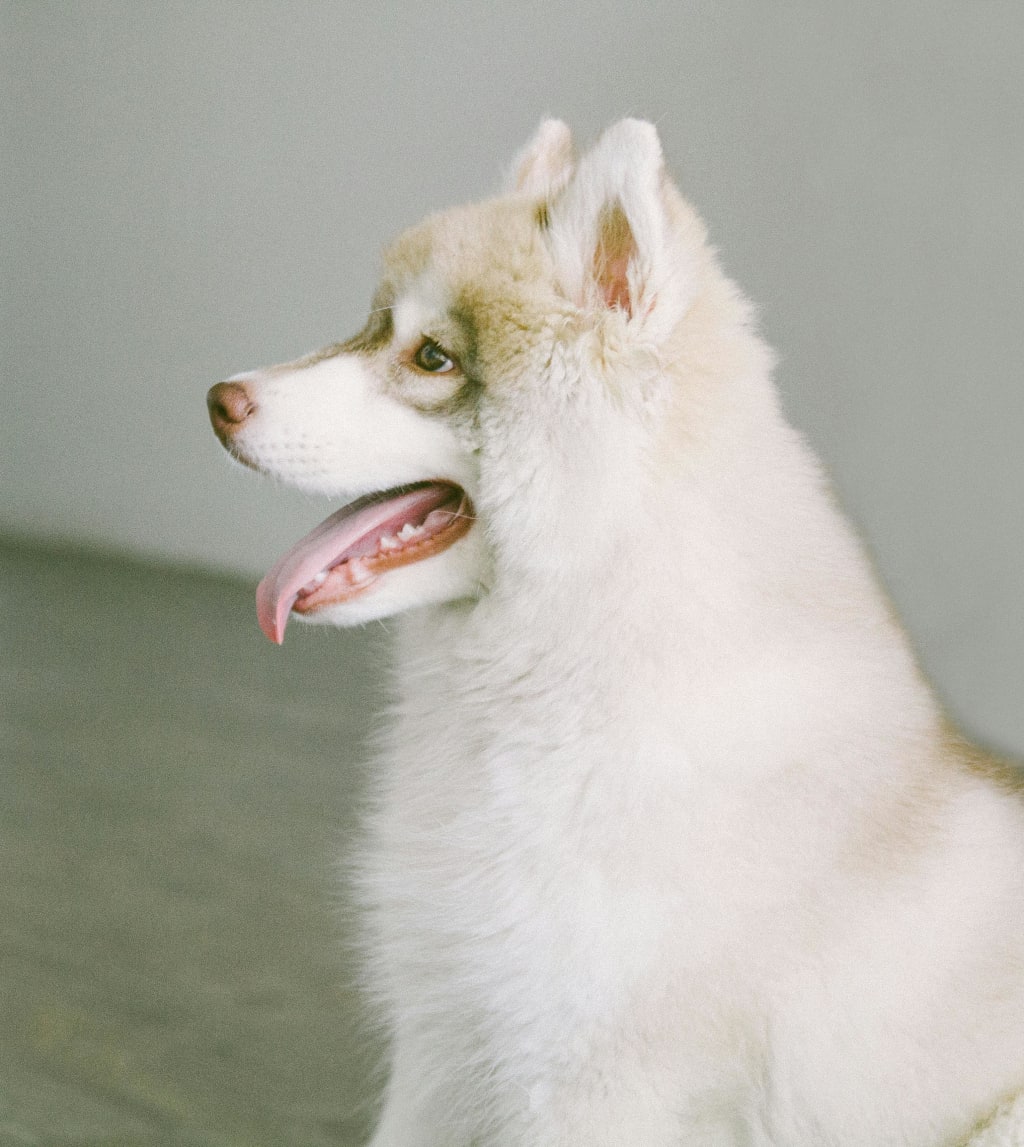
Crate training is an essential part of raising a well-behaved and happy puppy. It provides a safe space for your furry friend and helps with housebreaking, reducing anxiety, and preventing destructive behavior. Whether you’re a first-time puppy parent or looking to refresh your knowledge, this guide will take you through the ins and outs of crate training.
Understanding Crate Training
What is Crate Training?
Crate training involves teaching your puppy to view their crate as a safe and comfortable place. It’s not about confinement but rather creating a den-like environment where they can relax and feel secure.
Common Myths About Crate Training
There are many misconceptions about crate training. Some believe it’s cruel or that it will make the puppy resentful. However, when done correctly, crate training is a positive and beneficial process for both the puppy and the owner.
Choosing the Right Crate
Types of Crates
There are various types of crates, including wire crates, plastic crates, and soft-sided crates. Each has its advantages, and the choice depends on your puppy’s needs and your preferences.
Size Matters
The crate should be large enough for your puppy to stand up, turn around, and lie down comfortably but not so large that they can eliminate in one corner and sleep in another.
Comfort and Safety Features
Ensure the crate is comfortable with a soft bed or blanket and has no sharpedges or parts that could harm your puppy.
Preparing for Crate Training
Setting Up the Crate
Place the crate in a quiet but not isolated area of your home. Make it inviting with a soft blanket, some toys, and perhaps an item with your scent.
Introducing the Crate to Your Puppy
Let your puppy explore the crate at their own pace. Encourage them with treats and praise when they show interest in the crate.
The Crate Training Process
Step-by-Step Guide
Introduce the Crate: Let your puppy sniff and explore the crate with the door open.
Feed Meals in the Crate: Start feeding your puppy their meals near the crate, gradually moving the food inside.
Short Periods Inside: Close the door for short periods while your puppy is inside, gradually increasing the time.
Increase Crate Time: Extend the time your puppy spends in the crate, always using positive reinforcement.
Positive Reinforcement Techniques
Use treats, praise, and toys to create a positive association with the crate. Never use the crate as a punishment.
Consistency is Key
Consistency in routine and training techniques is crucial for success. Stick to a schedule and reinforce positive behavior regularly.
Crate Training Schedule
Sample Schedule for Puppies
Morning: Potty break, breakfast in the crate, short crate time.
Mid-Morning: Playtime, potty break, short crate time.
Afternoon: Lunch in the crate, short crate time.
Evening: Playtime, dinner in the crate, short crate time.
Night: Potty break before bed, crate time overnight.
Adjusting the Schedule as Your Puppy Grows
As your puppy grows, adjust the schedule to match their bladder control and energy levels. Increase the time spent outside the crate gradually.
Dealing with Challenges
Handling Whining and Barking
It’s common for puppies to whine or bark initially. Ignore this behavior unless you suspect they need a potty break. Reward quiet behavior.
Managing Separation Anxiety
Separation anxiety can be a challenge. Gradually get your puppy used to being alone by leaving them in the crate for short periods and slowly increasing the time.
Troubleshooting Common Issues
If your puppy is consistently soiling the crate, it may be too large, or they may need more frequent potty breaks. Adjust accordingly and ensure the crate is clean and comfortable.
Nighttime Crate Training
Creating a Bedtime Routine
Establish a calming bedtime routine. Include a potty break, some quiet play, and settling your puppy in the crate with a comfort item.
Ensuring a Good Night’s Sleep
Ensure your puppy gets plenty of exercise during the day to promote better sleep. Keep the crate in your bedroom initially so they feel secure.
Daytime Crate Training
Crate Time During the Day
Use the crate during the day for short periods, especially when you’re busy and can’t supervise your puppy directly.
Balancing Crate Time with Playtime and Exercise
Ensure your puppy gets plenty of playtime and exercise outside the crate to prevent boredom and excessive energy.
Crate Training Older Puppies
Differences from Training Younger Puppies
Older puppies may require more patience and gradual steps. They might have developed habits that need to be gently corrected.
you learn how to crate train your puppy in a month using the unlimted guide to Training Your Dogs And Cats
Tips for Success
Be patient and consistent. Use positive reinforcement and make the crate a welcoming and comfortable space.
Crate Training and Housebreaking
How Crate Training Helps with Potty Training
Crate training is highly effective for housebreaking. Puppies naturally avoid soiling their sleeping area, encouraging them to wait for potty breaks.
Tips for Effective Housebreaking
Establish a regular potty schedule and take your puppy to the same spot each time. Praise and reward them for successful potty breaks.
Traveling with a Crate-Trained Puppy
Making Travel Comfortable
A crate-trained puppy will feel more secure when traveling. Ensure the crate is comfortable and familiar.
Crate Training for Car Rides and Flights
Practice short car rides to get your puppy used to the crate in the car. For flights, choose an airline-approved crate and follow their guidelines.
Crate Training for Multiple Puppies
Managing Crate Training with More Than One Puppy
Train each puppy individually to ensure they feel secure and receive adequate attention.
Ensuring Individual Attention
Spend one-on-one time with each puppy to reinforce training and build a strong bond.
Transitioning Out of the Crate
When and How to Reduce Crate Time
As your puppy grows and learns house rules, you can gradually reduce crate time. Monitor their behavior and adjust accordingly.
Signs Your Puppy is Ready
Your puppy is ready to transition out of the crate when they consistently demonstrate good behavior and house training.
Conclusion
Crate training is a valuable tool for raising a well-behaved and happy puppy. It requires patience, consistency, and positive reinforcement. Remember, the goal is to create a safe and comfortable space for your puppy to thrive. Happy training!
To learn more on how to crate train your puppy,click here!
FAQs
How long does it take to crate train a puppy?
It varies, but most puppies can be crate trained in a few weeks with consistent practice.
Can crate training be harmful?
No, when done correctly, crate training is safe and beneficial for your puppy.
What if my puppy refuses to go into the crate?
Use treats and positive reinforcement to encourage them. Make the crate a pleasant place.
How do I make the crate a positive place?
Add comfortable bedding, toys, and use treats and praise to create positive associations.
Is it okay to crate my puppy while I’m at work?
Yes, but ensure they get enough breaks for potty and exercise. Consider a pet sitter or daycare if you’ll be gone for long hours.
This artical contains affilate links that can earn me a small commission if you click buy the product.
About the Creator
Keep reading
More stories from writers in BookClub and other communities.
My New Book is Finally Here
My poetry collection Beautiful and Brutal Things is done. It's actually done and finally published over 270 pages. Over a year of my life went into this book. More than a year, really. Long days at my computer, sometimes seven days a week because I couldn't stop even when I probably should have. Then two months of editing that felt harder than the writing itself. But it's finished, and I'm still standing, and the book is real.
By Tim Carmichael4 days ago in BookClub
7 Best Philosophy Books For Beginners In 2026
Philosophy can feel intimidating at first—dense language, ancient names, and questions that seem abstract or unanswerable. Yet at its core, philosophy is simply the art of thinking well about life. It asks the questions we all quietly wrestle with: What is a good life? How should we act? What can we really know?
By Diana Meresc5 days ago in BookClub
Ludacris and Nelly draw backlash over bookings at MAGA-coded music festival
Ludacris and Nelly headlining a mostly right-wing event is good for them. It’s also great for the genre of hip hop. The two rap veterans have showcased their talents on other stages. Why can’t they perform for mostly MAGA folks and grab that bag?
By Skyler Saunders6 days ago in Beat



Comments
There are no comments for this story
Be the first to respond and start the conversation.