
How Can a Hard Cover Design Set the Tone for Your Book’s Story?
From Genre to Aesthetic: Crafting the Perfect Hard Cover to Match Your Story.

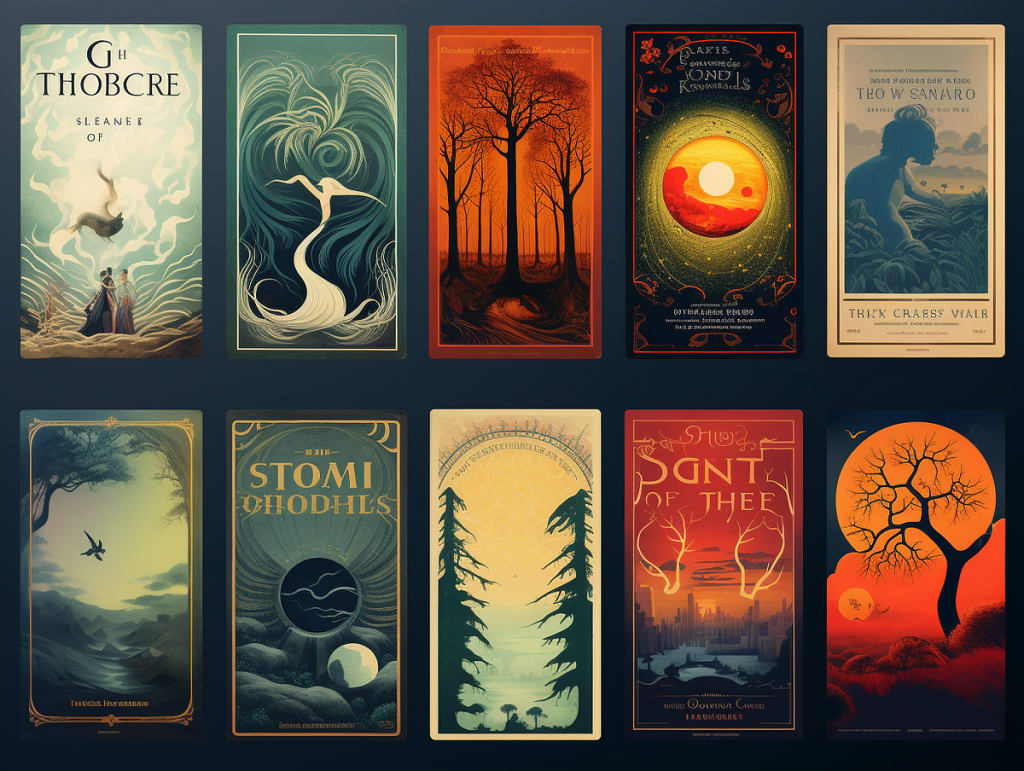
In the world of publishing, a book cover is often the first impression a reader has of a story. Whether in a bookstore or online, a well-designed cover has the power to draw attention, create intrigue, and ultimately influence a reader’s decision to pick up the book. Among the various types of book covers, hard cover design holds a unique place due to its elegance, durability, and visual appeal. In this article, we will explore the importance of hard cover design, the key elements that make it effective, and how it contributes to the overall success of a book.
What Is Hard Cover Design?
Hard cover design refers to the creation of a book’s cover for hardcover editions. A hardback book typically features a sturdy cover made from thick, durable materials like cardboard or bookboard, which is then wrapped with printed paper or cloth. The cover design is integral not only to the aesthetic value of the book but also to its marketing and positioning in the market.
Unlike paperback editions, which tend to have more flexible, simpler designs, hardcover books often allow for more intricate and sophisticated designs, thanks to their rigid construction. The hard cover design includes elements such as the front cover image, typography, spine design, and back cover information, with each element contributing to the overall experience of the reader.
Why Is Hard Cover Design Important?
The design of a hardcover book plays a pivotal role in the book's success, as it serves multiple purposes:
- Visual Appeal and First Impressions: A captivating hard cover design draws the eye of potential readers, whether they are browsing in a physical bookstore or scrolling through online listings. An eye-catching cover can spark curiosity, making the book stand out from others.
- Branding and Identity: The cover is often a reflection of the book’s genre, themes, and tone. For instance, a thriller might have a dark, moody cover design with bold typography, while a romance novel could feature a soft, colorful design. A cohesive hard cover design helps establish the book’s identity and appeal to its target audience.
- Professionalism: A polished hard cover design lends credibility to the book, signaling to readers that the author and publisher have invested in the book’s presentation. It helps the book compete with others in the same category, particularly when readers are presented with numerous choices.
- Tangible Connection with the Story: For many readers, hardcover books offer a tactile experience. A well-thought-out hard cover design enhances this connection, with the feel of the cover material, embossing, foil stamping, and other textural elements contributing to the overall experience.
- Collector’s Value: Hardcover editions are often seen as more collectible than paperbacks. A beautiful hard cover design can elevate the book's status as a prized possession or a gift item, which can increase its sales in specific markets.
Key Elements of Hard Cover Design
The effectiveness of hard cover design relies on balancing several key elements that work together to create a visually appealing and marketable cover. Here are the most important aspects to consider when designing a hardback book cover:
1. Typography
Typography is one of the most crucial elements of a hard cover design. The choice of font and how it’s arranged on the cover can greatly affect the book’s readability and overall aesthetic. The title, author’s name, and any subtitle or tagline should be legible and harmonize with the cover's imagery and overall tone.
- Title Font: The font should reflect the genre and mood of the book. For example, a horror novel might use a jagged, distressed font, while a historical fiction book might opt for a classic serif font.
- Author Name: The author’s name is often featured more prominently on hardcover editions, especially for well-known authors. It should complement the title and not overwhelm the cover’s design.
- Subtitle/Tagline: If applicable, a subtitle or tagline can provide additional context about the book. Its placement and font choice should not clutter the design but rather enhance the overall message.
2. Imagery and Artwork
The artwork on the cover is usually the focal point of any hard cover design. Whether it's a photograph, illustration, or abstract graphic, the image should give potential readers a sense of the book’s content and tone.
- Cover Illustration or Photo: The visual should tell a story or evoke an emotion related to the book's content. A fantasy novel might feature mystical creatures or magical landscapes, while a memoir could showcase a meaningful personal image.
- Color Scheme: Colors play a critical role in setting the tone. Dark colors like black or navy might suggest mystery or seriousness, while bright colors could indicate a light-hearted or adventurous story.
- Balance with Text: The imagery should complement and not overwhelm the text. Effective hard cover design ensures that the text remains readable and stands out against the background.

3. Spine Design
The spine of a hardcover book is the first part of the book that’s visible on a shelf, making it an essential element of the hard cover design. A well-designed spine ensures that the book is identifiable even when it’s shelved with other books.
- Title and Author Name: The title and author’s name should appear on the spine in a way that’s legible even from a distance.
- Branding: For series books, the spine design can help convey that the book is part of a larger collection, with consistent design elements used across the series.
- Visibility: The spine should include enough contrast between the text and the background to ensure visibility in bookstores or libraries.
4. Back Cover and Flaps
While the front cover grabs attention, the back cover provides essential information about the book. In addition to a brief synopsis, it may also include author bios, praise from reviewers, and even quotes or endorsements.
- Synopsis: A compelling back cover blurb gives readers an enticing glimpse of the book’s plot or themes.
- Author Bio: Including a short author bio on the back cover can build the reader’s connection to the writer, especially for debut authors.
- Endorsements/Reviews: Positive reviews or quotes from well-known figures can serve as powerful marketing tools and enhance the credibility of the book.
5. Additional Design Elements
To further enhance the tactile experience, a hard cover design can include special finishes and textural elements like:
- Embossing: Raised text or images add a three-dimensional quality to the cover.
- Foil Stamping: Metallic foil can add a luxurious touch, particularly for the book title or author name.
- Dust Jacket or Cover Wrap: Some hardcover books feature a removable dust jacket, while others have the design printed directly onto the book's hard cover. Both options provide an opportunity to enhance the visual appeal.
6. Augmented Reality
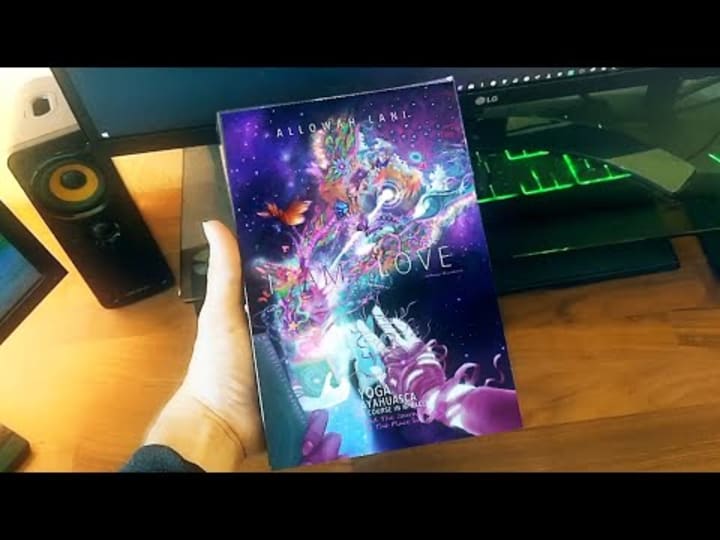
In addition to traditional design elements, augmented reality book covers are rapidly emerging as an exciting trend in the publishing world. By combining digital content with physical design, AR book covers offer readers a dynamic, interactive experience. Here’s a breakdown of how AR technology enhances hard cover design:
- Interactive Features: When a reader scans the hardcover book cover using a smartphone or tablet, AR triggers digital content such as animations, videos, 3D models, or additional book-related material.
- Enhanced Reader Engagement: The use of AR creates a deeper connection between the reader and the book, making the experience more immersive and engaging.
- Story Integration: AR features can bring book characters to life, provide sneak peeks of key scenes, or even display a book trailer, giving readers a preview of the story before they even open the book.
- Marketing Tool: AR book covers serve as a unique marketing tool, offering a novel way to draw in potential readers and stand out in a competitive market. It adds a level of interactivity that traditional book covers simply cannot provide.
- Fusion of Print and Digital: AR technology bridges the gap between the tangible world of print and the infinite possibilities of digital media, offering an enhanced storytelling experience that combines both formats.
- Increased Appeal: The futuristic, tech-driven nature of AR book covers makes them particularly attractive to younger, tech-savvy audiences, potentially broadening the book's reach and appeal.
- Future Potential: As AR technology continues to evolve and become more accessible, augmented reality book covers are expected to play an increasingly prominent role in hard cover design, revolutionizing how books are presented and experienced by readers.
Trends in Hard Cover Design
The landscape of hard cover design continues to evolve, with several trends emerging in recent years:
- Minimalist Designs: Clean, simple covers with minimal text or imagery are becoming increasingly popular. These covers often use bold typography and negative space to create a striking visual impact.
- Illustrative and Vintage Styles: Many contemporary hardcover books, especially in the fiction genre, are incorporating vintage-inspired illustrations or design elements that evoke nostalgia and whimsy.
- Textural Finishes: Beyond just visuals, modern hard cover designs may include textures like linen or leather to create a luxurious, high-end feel.
- Interactive Elements: Some publishers are integrating augmented reality (AR) or interactive components into hardcover designs, providing readers with an immersive experience when they scan the cover with a smartphone.
Conclusion
Hard cover design is a vital part of the publishing process that requires careful attention to detail. It is not just about creating an attractive cover but also about conveying the book’s essence and connecting with its target audience. A successful hard cover design will incorporate effective typography, compelling imagery, and strategic use of space to create an inviting and professional appearance. As trends continue to evolve, the potential for creative and innovative designs in hardcover books will only grow, ensuring that this form of publishing remains as relevant and captivating as ever.
About the Creator
Lawson Brooks
Author
Keep reading
More stories from Lawson Brooks and writers in BookClub and other communities.
What Are the Most Effective Strategies for Book Advertisement in the Digital World?
In today’s competitive digital marketplace, book advertisement plays a critical role in ensuring your book reaches its intended audience. With millions of books available online, standing out can seem like an overwhelming task for any author. However, the right book advertisement strategy can help your book gain the attention it deserves, attract readers, and increase sales. Whether you're a first-time author or a seasoned writer, understanding how to effectively market your book online can make a world of difference.
By Lawson Brooks11 months ago in BookClub
My New Book is Finally Here
My poetry collection Beautiful and Brutal Things is done. It's actually done and finally published over 270 pages. Over a year of my life went into this book. More than a year, really. Long days at my computer, sometimes seven days a week because I couldn't stop even when I probably should have. Then two months of editing that felt harder than the writing itself. But it's finished, and I'm still standing, and the book is real.
By Tim Carmichael2 days ago in BookClub
7 Science Fiction Books You Must Read In 2026
Science fiction is more than just a genre; it’s a lens through which we explore the boundaries of human imagination, technology, and society. Whether it’s envisioning distant galaxies, questioning the ethics of artificial intelligence, or exploring alternate histories, science fiction books challenge our understanding of reality and push us to think beyond the ordinary. Below is a list of 7 science fiction books you must read in 2026.
By Diana Merescabout 11 hours ago in BookClub




Comments
There are no comments for this story
Be the first to respond and start the conversation.