
Growth Mindset Books That Transform Lives with Thinking Into Recovery
Thinking Into Recovery is one of the most powerful growth mindset books helping men rebuild identity, boost confidence, and transform.
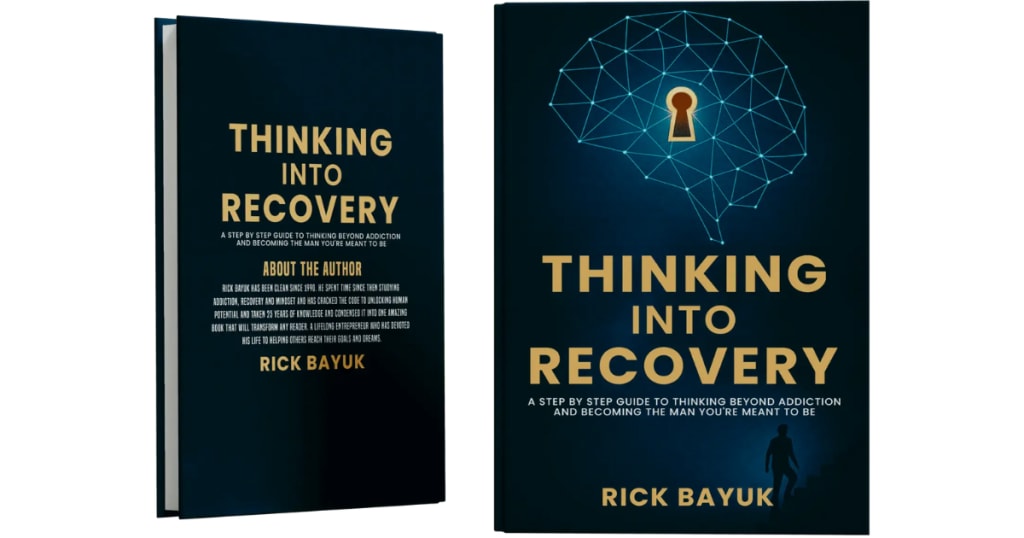
Growth mindset books can do more than inspire. It can fundamentally change the way a person thinks, acts, and approaches life. Rick Bayuk’s Thinking Into Recovery is a prime example. This book is designed specifically for men in recovery, offering practical steps to rebuild identity, overcome limiting beliefs, and live a purpose-driven life. By blending recovery principles with mindset strategies, it shifts focus from merely avoiding addiction to actively creating a fulfilling future. Every chapter is crafted to help men embrace clarity, confidence, and personal power. Readers are guided to align their actions with the person they aspire to become.
The Power of Growth Mindset Books in Personal Transformation
When considering growth mindset books, Thinking Into Recovery stands out for its structured approach. Rick Bayuk combines the familiarity of recovery steps with actionable mindset exercises. This blend allows readers to progress without feeling overwhelmed. Each chapter introduces shifts in thinking that challenge guilt, shame, and self-doubt. By emphasizing personal accountability and future-focused thinking, the book helps men reclaim control over their choices. These mindset shifts are practical, guiding men toward meaningful change in relationships, careers, and self-perception. Through consistent practice, readers learn to replace limiting patterns with empowering habits. Thinking Into Recovery encourages a proactive approach, showing that recovery is not only about sobriety but about living fully and intentionally.
Building Identity Beyond Addiction
Recovery is only the first step. Thinking Into Recovery focuses on helping men reconstruct their identities beyond addiction. Many individuals define themselves by past mistakes, which limits growth. Rick Bayuk teaches how to shift this perspective and envision the future self. By understanding the difference between identity and behavior, men can separate their worth from their past. Practical exercises in the book guide readers to recognize strengths, align values with actions, and develop resilience. This approach reduces feelings of guilt while enhancing confidence. As men practice these strategies, they gradually internalize a stronger, purpose-driven identity. The result is lasting transformation, not temporary avoidance of relapse.
Reprogramming Limiting Beliefs for Lasting Change
Limiting beliefs can sabotage recovery if left unaddressed. The Thinking Into Recovery book introduces tools to identify and reprogram these mental barriers. By questioning negative self-talk and reframing thought patterns, men gain clarity and direction. Rick Bayuk emphasizes consistent practice, reminding readers that transformation requires active engagement. Exercises in the companion workbook reinforce these lessons, creating actionable steps to solidify progress. Over time, men replace fear and doubt with confidence and purpose. The Thinking Into Recovery book demonstrates that change is not passive but a daily commitment. Through mindset mastery, readers achieve a level of personal empowerment that extends beyond recovery and into all areas of life.
Applying Universal Principles to Recovery
Rick Bayuk’s approach goes beyond traditional recovery by integrating universal principles. Concepts such as cause and effect, intention, and focus guide readers to align actions with desired outcomes. Thinking Into Recovery provides structured steps for applying these principles in daily life. Men learn to manage emotions, set realistic goals, and take consistent action toward self-improvement. By understanding these universal laws, readers develop a sense of control and direction that enhances confidence. The book encourages proactive thinking, ensuring that personal growth is intentional rather than reactive. Applying these principles consistently leads to greater clarity, resilience, and fulfillment over time.
Enhancing Confidence Through Structured Mindset Work
Confidence is often one of the first casualties of addiction. The mindset book Thinking Into Recovery emphasizes rebuilding self-assurance through deliberate mindset work. The exercises encourage men to reflect on past successes, recognize strengths, and take calculated risks. This structured approach fosters self-belief while minimizing fear of failure. Rick Bayuk’s guidance helps readers internalize lessons through repetition and reflection. Over time, men develop the courage to pursue new goals, repair relationships, and contribute positively to their communities. Confidence grows naturally when habits align with purpose, showing that true transformation extends far beyond abstaining from addictive behaviors.
Practical Tools for Daily Transformation
The associate workbook covered with Thinking Into Recovery offers actionable equipment for each day practice. Men are advocated to put in writing down reflections, set goals, and track progress consistently. These sports ensure the lessons are carried out in real existence as opposed to remaining theoretical. By integrating mindset standards into day by day workouts, readers reinforce fantastic conduct that guide long-term recuperation. Rick Bayuk’s practical approach makes change achievable and sustainable. Readers experience progress regularly, gaining motivation from tangible results. The workbook transforms summary principles into concrete moves, supporting men solidify their new identification and include non-public boom with self-assurance and clarity.
Moving from Sobriety to Full Life Engagement
Many men prevent at sobriety, believing that fending off relapse is enough. Thinking Into Recovery emphasizes transferring past survival closer to thriving. By combining attitude standards with dependent recuperation steerage, Rick Bayuk teaches readers how to live intentionally and purposefully. Each chapter reinforces actionable steps to enhance relationships, career improvement, and self-perception. Readers examine that healing isn't always simply approximately heading off the beyond but actively shaping the future. The e-book empowers men to create lives aligned with their values and vision. This holistic technique guarantees lasting exchange, supporting readers enjoy proper success and personal boom.
Developing Emotional Resilience Through Mindset Shifts
Emotional resilience is prime to maintaining restoration and personal increase. Thinking Into Recovery facilitates guys control challenging feelings with readability and self-belief. Rick Bayuk teaches strategies to understand triggers, alter responses, and maintain composure in annoying conditions. These mind-set shifts remodel how men react to setbacks, ensuring they stay centered on their goals. The ebook encourages reflection on past studies without judgment. By training steady self-focus, readers learn how to navigate life with extra stability and balance. Over time, this resilience turns into habitual, reducing the threat of relapse and fostering emotional adulthood. Through these physical games, men improve their intellectual fortitude whilst embracing a destiny-focused mindset. By applying those training daily, readers now not handiest continue to exist challenges however thrive through them, cultivating internal peace and an experience of manage.
Strengthening Relationships Through Personal Growth
Addiction often lines or breaks relationships. Indeed, Thinking Into Recovery addresses this by way of teaching guys a way to rebuild trust and speak efficiently. Furthermore, Rick Bayuk emphasizes duty, empathy, and transparency as essential equipment for restoring significant connections. By applying attitude ideas, readers increase persistence and knowledge, thereby permitting them to restore damaged bonds. Moreover, the book encourages mirrored image on interpersonal styles, supporting guys understand behaviors that hinder healthful connections. Through those practices, they benefit confidence in their capacity to nurture nice relationships. As a result, stronger relationships reinforce private growth and offer a support gadget for long-term restoration. Ultimately, by gaining knowledge of to engage with goal and cognizance, readers create environments that foster each private and communal fulfillment.
Goal Setting for Sustainable Success
Setting realistic dreams is a cornerstone of transformation. Indeed, Thinking Into Recovery publications men in creating plausible milestones aligned with their future selves. Furthermore, Rick Bayuk demonstrates how to break big objectives into manageable steps. Consequently, readers learn to tune progress, have fun small victories, and modify techniques while essential. Moreover, this proactive approach guarantees continued motivation and reduces frustration. By linking dreams to private values, guys enjoy achievement beyond mere sobriety. Additionally, the e-book encourages consistency, displaying that daily movements compound into great lifestyles modifications. With practical sporting activities and reflective activates, guys cultivate attention, perseverance, and duty. Over time, purpose putting will become a natural addiction, thereby riding sustainable growth in all areas of existence.
Cultivating Purpose and Vision
A life without purpose can hinder recovery and personal development. Indeed, Thinking Into Recovery emphasizes helping men discover their unique vision. Furthermore, Rick Bayuk guides readers to reflect on passions, strengths, and core values. By aligning actions with this vision, men gain clarity and direction. Moreover, the book shows that purpose-driven living fosters motivation and reduces vulnerability to old habits. Through structured exercises, readers explore meaningful goals and create actionable plans. Consequently, purpose provides a framework for decision-making, ensuring consistency in behavior and thought. As a result, men who embrace this approach experience increased confidence, resilience, and fulfillment. Ultimately, by committing to purposeful living, readers transform every aspect of their lives, demonstrating that recovery is only the beginning of a larger journey toward self-actualization.
Reinforcing Daily Habits for Lifelong Change
Consistency is crucial for lasting transformation. Indeed, Thinking Into Recovery highlights the importance of each day habits that make stronger mind-set shifts. Moreover, Rick Bayuk offers practical gear to construct exercises that support sobriety, productiveness, and personal boom. Over time, small, intentional moves compound through the years, growing momentum and fostering confidence. Additionally, the e book encourages reflection, journaling, and aim monitoring to maintain cognizance. By integrating these behaviors into day by day life, men improve resilience, clarity, and strength of will. Furthermore, the based sporting events make sure that increase is measurable and sustainable. Consequently, through non-stop practice, readers solidify their future-targeted identification and embody a proactive technique to demanding situations. Ultimately, daily habits become the foundation for a life of purpose, empowerment, and lasting success.
Conclusion
Growth mindset books like Thinking Into Recovery provide extra than inspiration; they offer a roadmap to lasting transformation. Rick Bayuk combines decades of recovery experience and validated mindset techniques to help guys rebuild identity, while conquering restricting ideals, and simultaneously embrace their complete capability. By making use of sensible sports and universal ideas, readers can domesticate self-assurance, resilience, as well as motive in every region of existence. Furthermore, this book indicates that recuperation is a launchpad for personal boom, not the endpoint. Consequently, men who engage with its guidance learn to live intentionally, align moves with their future selves, and revel in meaningful transformation from the internal out. Ultimately, choosing Thinking Into Recovery means committing to a life of clarity, empowerment, and lasting achievement.
About the Creator
Keep reading
More stories from Lisa Hormyko and writers in BookClub and other communities.
Children's Books Series Every Parent Should Explore
Stories have the control to shape fresh minds, stimulus imagination, and shape lifelong reading habits. Parents often hunt for books that stimulate children while contribution meaningful lessons. A considerately chosen children's books series can become a gem trove of escapades. Kids love recurring to familiar characters and worlds. These books make a routine, making reading time somewhat they keenly anticipate. Whether they are knowledge about friendship, courage, or inquisitiveness, stories leader them gently finished life’s lessons. Parents also enjoy viewing their kids grow finished every page. As the characters change, so do the readers, learning together with them. Presenting a good book sequence is not just entertaining; it is an investment in expressive growth and literateness. This is why discovery high-quality books matters. The correct series blends amusing and wisdom, creation bedtime or storytime unforgettable for the whole family.
By Lisa Hormyko6 months ago in BookClub
Rachel Reviews: Lakefront Wolves by Joseph Deegan
Meet Finn. He's an 18 year old kid who has potential. He's bright with great school scores and he's also an athlete, a footballer of some prowess. He has it all going for him, it would seem, and yet, he's determined to send what could be a well-planned, stable existence firmly off the rails. He drinks, he smokes, he takes drugs, he has violent tendencies and he's in danger of losing not only his mind but all that he holds dear.
By Rachel Deeming12 days ago in BookClub
8 Life-Changing Books That Will Help You Let Go
Whether we’re releasing past mistakes, painful relationships, regret, anger, or unrealistic expectations, the ability to let go determines how freely we live. Many people intellectually understand that they should move on, but emotionally, they remain trapped in cycles of rumination and attachment.
By Diana Meresc5 days ago in BookClub


Comments
There are no comments for this story
Be the first to respond and start the conversation.