
Generational Shifts: How Family Values Evolve Over Time
Written by David Holmes

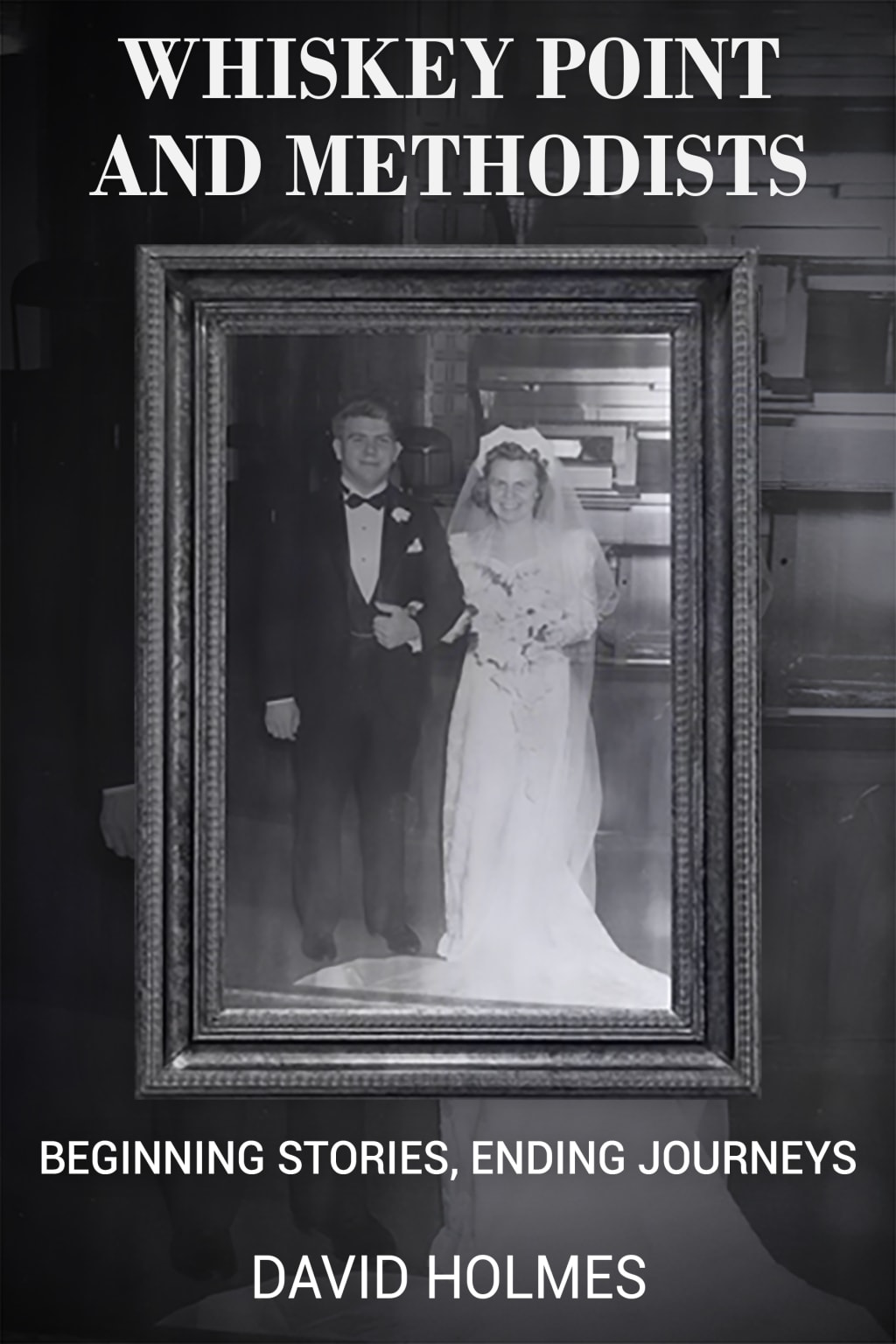
Family values lie at the core of cultural identity, influencing traditions, behaviors, and expectations that are passed down through generations. However, as time progresses, societal changes, economic shifts, and personal experiences continuously reshape these values. In Whiskey Point and Methodists, David Holmes provides a detailed narrative of how family dynamics evolve across generations, offering insights into how traditions are preserved and adapted over time.
The Evolution of Parenting and Family Roles
In earlier times, families often adhered to strict gender roles and societal expectations. Fathers were typically seen as providers, while mothers were responsible for managing the home and children. Holmes recalls how his father, though strict, played a deeply involved role in family life, particularly through storytelling and shared experiences. One vivid memory highlights how his father would read The Bremen Town Musicians to the children, turning the experience into an interactive event, complete with loud, chaotic sounds as the children took on roles in the story:
“Hee-haw, the donkey who would stand on his hind legs at the window and say ‘hee-haw’ as loud as he could… The sounds of the Bremen Town Musicians and the sounds in our living room for the concert with loud hee-haws, a screechy violin, me pounding on a Rubbermaid pad, someone yelling to throw them up and peck their eyes out, and Daniel and Peter doing their best must have reminded my father about our favorite bedtime story.”
This kind of interactive parenting was once common, but it has evolved in modern times. While storytelling remains a cherished tradition, today’s parents often engage in different activities, such as digital learning or structured extracurricular activities, reflecting the changing nature of childhood and parental involvement.
The Changing Concept of Home and Stability
Another significant shift across generations is the concept of home and stability. Holmes describes how post-World War II families prioritized homeownership and a sense of permanence. His parents, for instance, were determined to find a home that met their family’s needs:
“They required that it have a backyard for us to play in, an alley for us to explore, be within walking distance of grade school… and close enough to a grocery store that we could walk to it, as our family had only one car and we were big eaters.”
This focus on stability contrasts with today’s generation, where economic challenges and changing work environments often lead to renting, moving frequently, or embracing remote work lifestyles. The idea of home as a fixed location is shifting toward flexibility and adaptability.
Cultural Differences Between Generations
Generational differences have also shaped relationships and expectations, particularly regarding marriage and personal values. Holmes’s parents came from starkly different backgrounds — his father, an Irish Catholic from Chicago, and his mother, a reserved Methodist from an affluent suburb. Their marriage, filled with love, was also reflective of how marriages in the past often required navigating cultural and religious divides:
“He, with a strong Irish Catholic background from the south side of Chicago, was sometimes rowdy or aggressive but always gregarious and driven. She was quiet, reserved, and a thinker from a pious Methodist upbringing in an upper-middle-class, gracious Chicago suburb.”
Today, younger generations tend to place less importance on religious or cultural compatibility in marriage, focusing more on personal values, career goals, and emotional connection.
Despite these shifts, some traditions remain steadfast through generations. Whether through storytelling, shared meals, or lessons passed down, family values continue to play a central role in identity. A poignant moment captured in the book reflects a father teaching his children to skate, illustrating how experiences shape memories and carry forward elements of the past even as family values evolve.
Conclusion
Generational shifts in family values are inevitable, influenced by historical events, technological advancements, and cultural changes. However, as shown through Holmes’s reflections, the core of family — love, connection, and shared experiences — remains constant. While the way families interact, work, and define success may change, the essence of family endures, adapted but never lost.
For an in-depth exploration of the evolution of family dynamics, discover Whiskey Point and Methodists—click here to buy on Amazon.
#FamilyValues #GenerationalShifts #Parenting #CulturalIdentity #FamilyTraditions #DavidHolmes #GenerationalDifferences #MarriageAndFamily #HomeAndStability #CulturalChange #ImmigrantStories #FamilyHistory #EmotionalConnection #TraditionalParenting
About the Creator
globalbookmarketing
🌍 Global Book Marketing: Reach Readers Worldwide! 📚
Are you ready to take your book to new heights? We help authors to market their book globally and help authors find readers around the world!
Keep reading
More stories from globalbookmarketing and writers in BookClub and other communities.
The History of the Union Stockyards: From Industrial Boom to Decline
For more than a century, Chicago’s Union Stockyards served as the working heart of America’s meatpacking industry. The Yards, as they were commonly referred to, symbolized the nation’s swift industrialization, its immigrant labor force, and its economic transformations. In Whiskey Point and Methodists, David Holmes offers a deep dive into the harsh realities faced by immigrant workers at the Stockyards, providing a personal perspective on the difficult conditions that defined this era.
By globalbookmarketing10 months ago in BookClub
My New Book is Finally Here
My poetry collection Beautiful and Brutal Things is done. It's actually done and finally published over 270 pages. Over a year of my life went into this book. More than a year, really. Long days at my computer, sometimes seven days a week because I couldn't stop even when I probably should have. Then two months of editing that felt harder than the writing itself. But it's finished, and I'm still standing, and the book is real.
By Tim Carmichael3 days ago in BookClub
7 Best Philosophy Books For Beginners In 2026
Philosophy can feel intimidating at first—dense language, ancient names, and questions that seem abstract or unanswerable. Yet at its core, philosophy is simply the art of thinking well about life. It asks the questions we all quietly wrestle with: What is a good life? How should we act? What can we really know?
By Diana Meresc4 days ago in BookClub




Comments (1)
Beautiful piece...